
Coral Identification Chart & Care Guide
Use the visual coral identification chart, growth-form clues, and detailed care profiles to compare soft corals, LPS, SPS, lighting, flow, and placement.

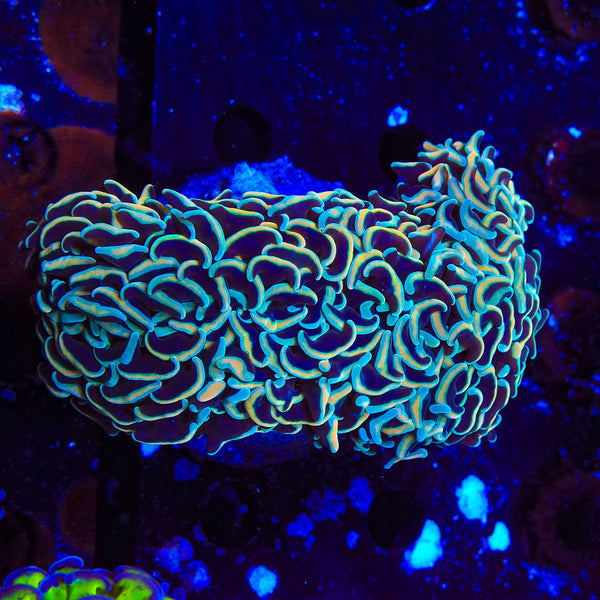
Rainbow Wall Hammer Coral
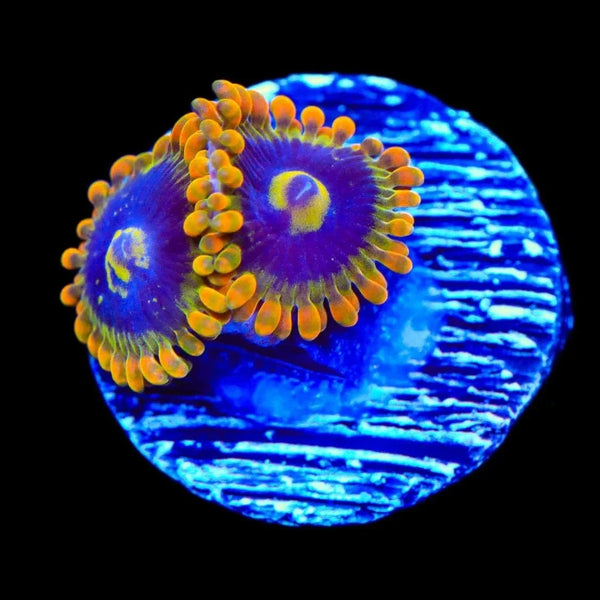
Rainbow Yoda Zoanthids Coral

Raspberry Blastomussa Coral
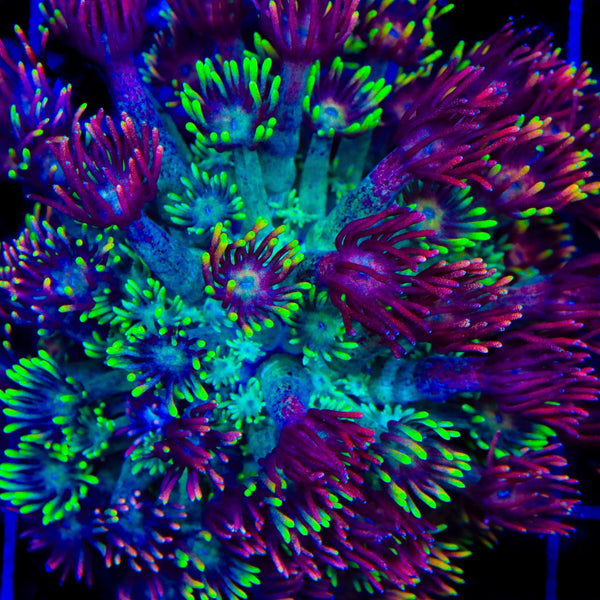
RCA Mamba Goniopora Coral
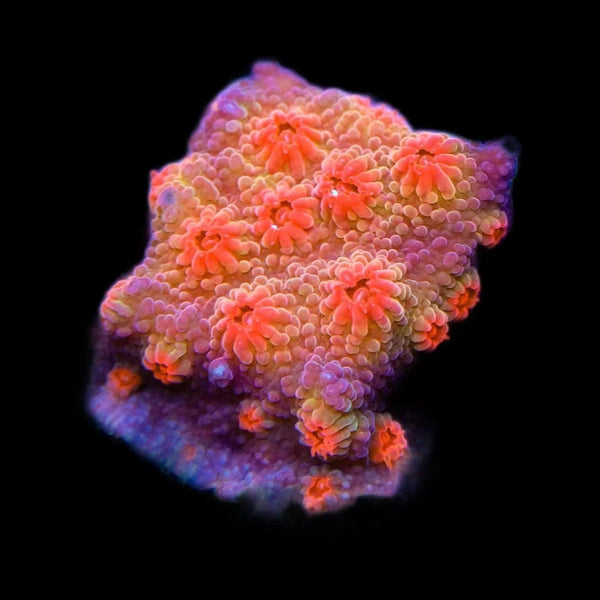
Red Brick Cyphastrea Coral

Red Death Palythoa Coral
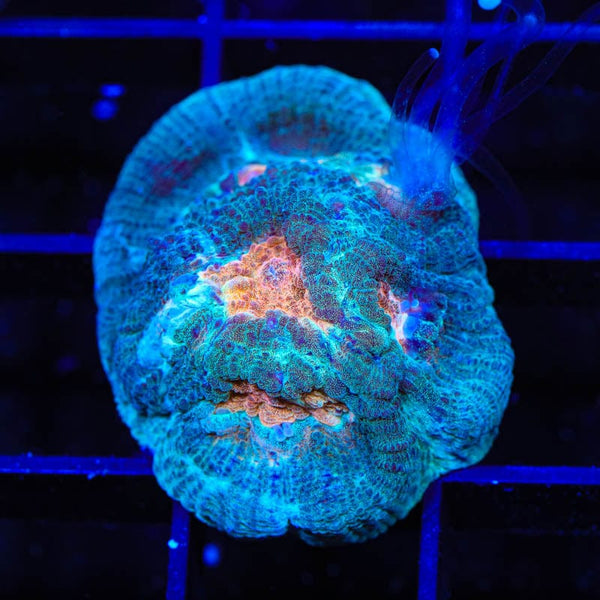
Red Eye Favia Coral
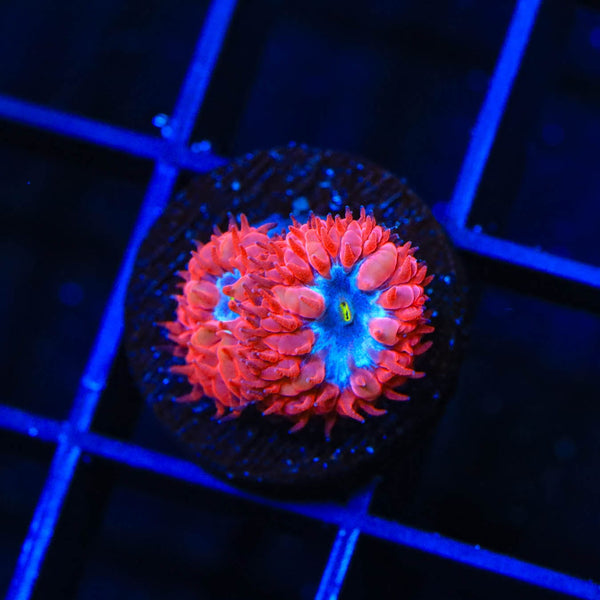
Red Hot Blastomussa Coral
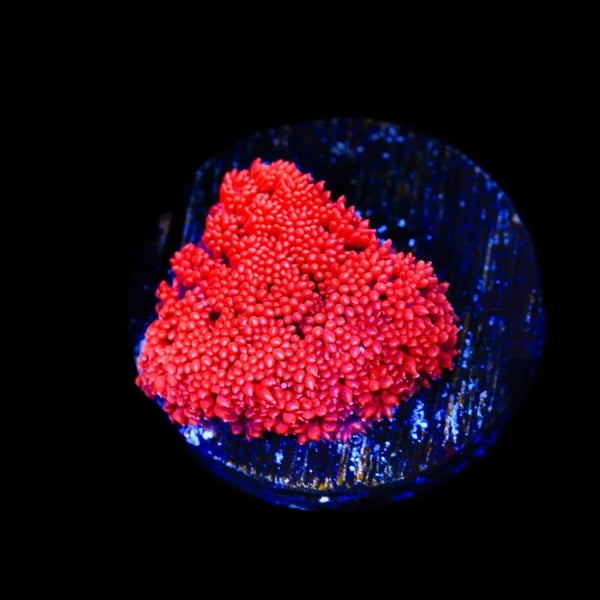
Red Hot Goniopora Coral
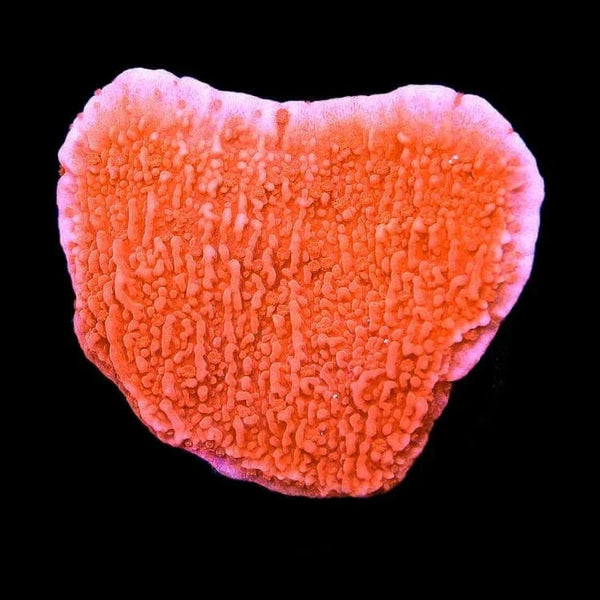
Red Montipora Cap Coral
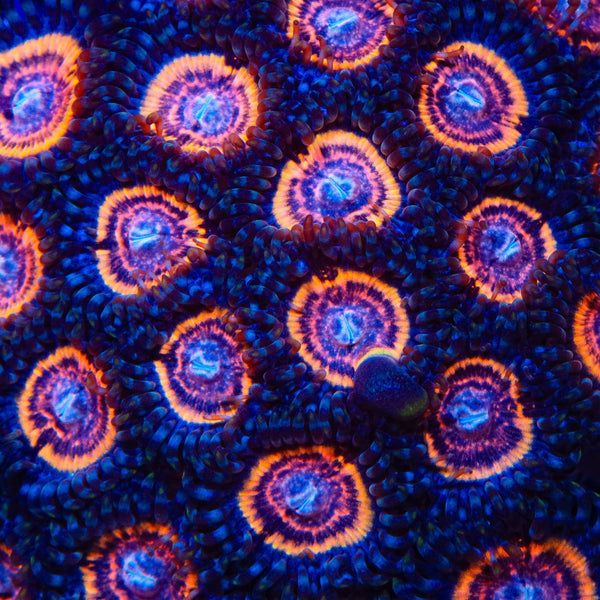
Red Rocket Zoanthids Coral
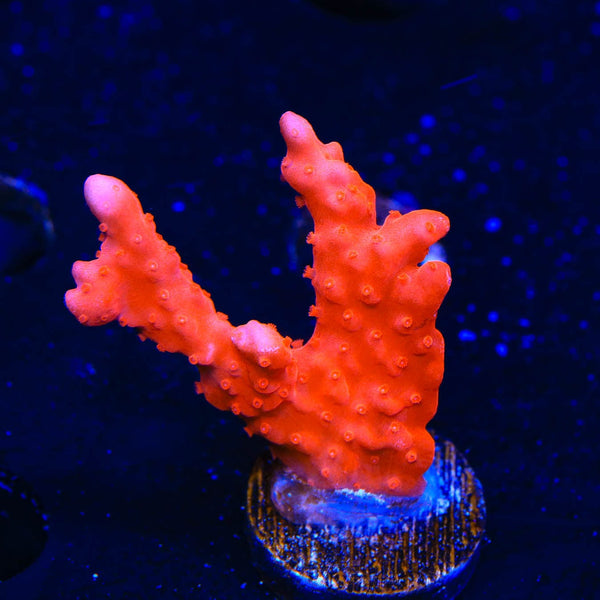
Red Setosa Montipora Coral
How to Identify Coral
This coral glossary is a practical reference for comparing reef aquarium corals before you buy, place, or troubleshoot them. Each profile brings together the details that matter at the aquarium: common and scientific names, general care level, lighting, water flow, placement, feeding, and temperament. Use the search field when you already know a name, or browse the profile index when you are identifying a coral from its growth form, polyp shape, or trade name.
Identification is the first step, not the final care decision. Corals sold under similar common names can have different growth patterns and tolerances, while color alone can change under different lighting and nutrient conditions. Compare several visible traits, then open the individual profile for the complete care summary. If you are beginning with the broad groups, our guide to soft coral, LPS, and SPS coral types explains how those categories differ.
Aquarium Coral Types
Soft corals
Soft corals do not build the same rigid stony skeleton associated with LPS and SPS corals. Many are adaptable and bring movement to a reef, but fast-growing varieties still need deliberate placement so they do not overtake neighboring rockwork. Review each profile for its preferred light and flow rather than assuming every soft coral has identical needs.
Large-polyp stony corals
LPS corals combine a calcium-carbonate skeleton with large, fleshy polyps. Their tissue can be damaged by excessive direct flow, and many species need room for sweeper tentacles or other competitive behavior. The glossary helps compare familiar groups such as Euphyllia, brain corals, Acans, Favia, Goniopora, and chalice corals without treating them as one care category.
Small-polyp stony corals
SPS corals generally reward stable chemistry, appropriate light, and strong variable flow. Acropora, Montipora, Birdsnest, and related groups can differ substantially in placement and tolerance. Use the profiles to narrow the identification, then make changes gradually and watch the coral's response instead of chasing a single universal number.
Compare care requirements before placement
Start with the coral's current condition and the stable environment your aquarium can provide. Lighting recommendations are useful ranges, but acclimation matters whenever a coral moves between systems. Flow should keep the colony clean and deliver nutrients without pinning tissue against the skeleton. Placement also needs to account for growth, shading, and aggression from nearby colonies.
Care labels such as beginner, moderate, or advanced are a quick comparison tool. They do not replace testing or observation. Keep temperature and salinity consistent, follow alkalinity and nutrient trends, and leave enough time between adjustments to understand the result. If a coral retracts, pales, or develops tissue damage, review recent changes in light, flow, chemistry, pests, and neighboring corals before making another change.
Build a reef with compatible corals
A successful mixed reef is planned around zones. Lower-light or gentler-flow areas can suit one group, while exposed upper rockwork may support species that prefer more energy. Leave growth space around encrusting and plating corals, isolate aggressive or rapidly spreading colonies when appropriate, and remember that a small frag can become a large colony.
Coral Names and Pictures
Use photographs as an identification clue, but compare structure as well as color. Look at whether the colony branches, plates, encrusts, or forms separate fleshy heads; note the shape of the corallites and whether feeding or sweeper tentacles appear after dark. Trade names are useful labels for individual color forms, while the scientific grouping provides a more dependable starting point for care research.
Coral Care Guides by Type
Use the glossary to identify a coral, then continue with the focused care guide for its broader group.
Browse all profiles below to compare candidates, then use the individual guide as a starting point for acclimation and placement. For shopping rather than identification, visit our live coral collection. Keeping the informational glossary and the collection separate lets you research care first and choose livestock only after it fits the aquarium.
Browse every profile Profiles with images
- Rainbow Wall Hammer Coral
- Rainbow Yoda Zoanthids Coral
- Raspberry Blastomussa Coral
- RCA Mamba Goniopora Coral
- Red Brick Cyphastrea Coral
- Red Death Palythoa Coral
- Red Eye Favia Coral
- Red Hot Blastomussa Coral
- Red Hot Goniopora Coral
- Red Montipora Cap Coral
- Red Rocket Zoanthids Coral
- Red Setosa Montipora Coral
- Reef Raft USA Angry Birds Acropora Coral
- Reeftech Starburst Montipora Coral
- Rimless Watermelon Chalice Coral
- RMF Acid Trip Acropora Coral
- RMF Acid Trip Millepora Acropora Coral
- RMF Red Devil Acropora Coral
- RR Bleeding Avenger's Acropora Coral
- RR Firecracker Acropora Coral
- RR Garden of Eden Tenuis Acropora Coral
- RR Olympus Acropora Coral
- RR Pink Floyd Acropora Coral
- RR Rainbow Loom Acropora Coral
- RR Robinhood Acropora Coral
- RR Spicy Lemon Favia Coral
- RRC Goldenrod Anacropora Coral
- RRC Rainbow Splice Acropora Coral
- RRC Shazam Acropora Coral
- RRC Wonderland Acropora Coral
- Safecracker Zoanthids Coral
- SBB Aphrodite Zoanthids Coral
- Scarlet Fever Zoanthids Coral
- Scrambled Eggs Zoanthids Coral
- Seasons Greeting Montipora Coral
- Seduction Zoanthid Coral
- Sexy Corals Orange Passion Tenuis Acropora Coral
- Skittles Favia Coral
- Snake Eye Zoanthids Coral
- Sour Blueberry Zoanthids Coral
- Space Chaos Zoanthids Coral
- Space Invader Chalice Coral
- Space Monster Zoanthids Coral
- Spearmint Cyphastrea Coral
- Spiderman Zoanthids Coral
- Splatter Frogspawn Coral
- Stained Glass Chalice Coral
- Star Foxx Zoanthids Coral
- Stratocaster Zoanthids Coral
- Stratospehere Zoanthids Coral
- Super Saiyan Zoanthids Coral
- Supergirl Zoanthids Coral
- Sweet Treat Hammer Coral
- Taser Zoanthids Coral
- Tequila Sunrise Mushroom Coral
- Saturns Ring Mushroom Coral
- TGC Acrolandia Tenuis Acropora Coral
- TGC Cherry Bomb Tenuis Acropora Coral
- TGC Grave Digger Acropora Coral
- TGC Red Cadillac Acropora Coral
- Tiger Torch Coral
- Time Warp Zoanthids Coral
- Tricolor Valida Acropora Coral
- TSA Acid Bath Zoanthids Coral
- TSA Acid Rain Chalice Coral
- TSA Afterburn Goniopora Coral
- TSA Alice In Wonderland Goniopora Coral
- TSA Alien Egg Zoanthids Coral
- TSA Alien Eye Favia Coral
- TSA Alien Nipples Zoanthids Coral
- TSA Antivenom Favia Coral
- TSA Apple Jacks Montipora Cap Coral
- TSA Appleberry Montipora Coral
- TSA Aqua Matrix Acropora Coral
- TSA Aquamarine Stag Acropora Coral
- TSA Aquarim Montipora Coral
- TSA Avatar Chalice Coral
- TSA Axle Rose Alveopora Coral
- TSA Baby Grail Torch Coral
- TSA Bali Blue Slimer Acropora Coral
- TSA Banana Boat Torch Coral
- TSA Banana Pie Goniopora Coral
- TSA Bangarang Alveopora Coral
- TSA Battlestar Galaxea Coral
- TSA Battletoads Aquacultured Plate Coral
- TSA BBL Bounce Yuma Mushroom Coral
- TSA Be Mine Goniopora Coral
- TSA Beast Montipora Coral
- TSA Beetlejuice Bowerbankii Coral
- TSA Big Bang Favia Coral
- TSA Bill Murray Acropora Coral
- TSA BioShock Tenuis Acropora Coral
- TSA Black Lotus Pectinia Coral
- TSA Black Rose Acropora Coral
- TSA Black Widow Blastomussa Coral
- TSA Blazing Sun Cycloseris Aquacultured Plate Coral
- TSA Blood Red Goniopora Coral
- TSA Blood Simple Leptoseris Coral
- TSA Blood Spear Acropora Coral
- TSA Blowtorch Torch Coral
- TSA Blue Eye Hornet Zoanthids Coral
- TSA Blue Flame Acropora Coral
- TSA Blue Ghost Acropora Coral
- TSA Blue Pearl Alveopora Coral
- TSA Blue Sea Duncan Coral
- TSA Blue Torch Coral
- TSA Blueberry Duncan Coral
- TSA Blueberry Fields Montipora Coral
- TSA Blueberry Glitter Goniopora Coral
- TSA Blueberry Haze Psammocora Coral
- TSA Blueberry Mai Tai Tenuis Acropora Coral
- TSA Blueberry Shortcake Acropora Coral
- TSA Blueberry Stylophora Coral
- TSA Blueberry Zoanthids Coral
- TSA Bo Katan Acropora Coral
- TSA Bollywood Acropora Coral
- TSA Booberry Duncan Coral
- TSA Bottle Rocket Acropora Coral
- TSA Bozos Revenge Bounce Mushroom Coral
- TSA Braveheart Chalice Coral
- TSA Bright Side of the Moon Chalice Coral
- TSA Bubblegum Nebula Goniopora Coral
- TSA Bubbleyum Tenuis Acropora Coral
- TSA Calypso Chalice Coral
- TSA Candied Pumpkin Clove Polyp Coral
- TSA Candle Light Stag Acropora Coral
- TSA Candlelight Acropora Coral
- TSA Candy Corn Clove Polyp Coral
- TSA Candy Swirl Chalice Coral
- TSA Captain America Chalice Coral
- TSA Captain Jack Rhodactis Mushroom Coral
- TSA Captain Planet Acropora Tenuis Coral
- TSA Carolina Reaper Acropora Coral
- TSA Chemical Warfare Favia Coral
- TSA Chemically Altered Zoanthids Coral
- TSA Chili Pepper Montipora Coral
- TSA Chiquita Zoanthids Coral
- TSA Circus Freak Tenuis Acropora Coral
- TSA Citrus Blast Grafted Lithophyllon Coral
- TSA Cloverfield Pectinia Coral
- TSA Colonel Mustard Acropora Coral
- TSA Colt 45 Acropora Coral
- TSA Cotton Candy Chalice Coral
- TSA Cotton Candy Goniopora Coral
- TSA Count Dracula Acropora Coral
- TSA Crocodile Smile Chalice Coral
- TSA Crown Jewels Chalice Coral
- TSA Crunch Berry Chalice Coral
- TSA Cursed Candy Cane Coral
- TSA Dan Aykroyd Acropora Coral
- TSA Danger Zone Montipora Coral
- TSA Dantes Inferno Acropora Coral
- TSA Dark Side of the Moon Chalice Coral
- TSA Darkside of the Moon Chalice Coral
- TSA Daydream Acropora Coral
- TSA Death Grimace Tenuis Acropora Coral
- TSA Death Spiral Montipora Coral
- TSA Demogorgon Chalice Coral
- TSA Detonator Zoanthids Coral
Answers
Coral Types FAQ
What is the difference between SPS, LPS, and soft corals?
The difference comes down to skeleton and polyp size, which shapes how demanding each group is.
Soft corals don’t build a rigid calcium-carbonate skeleton. Flexible tissue and tiny embedded sclerites support them, so they are the most forgiving of alkalinity and calcium swings. In the hobby the group includes leathers, Kenya Tree, Green Star Polyps, and Xenia, and zoanthids and mushrooms are usually shopped alongside them.
LPS (large-polyp stony) corals build a hard skeleton covered by large, fleshy polyps. Hammers, torches, frogspawn, brain corals, Acans, chalices, and Goniopora belong here. Most prefer moderate light and gentle to moderate flow, many accept meaty foods, and several extend sweeper tentacles that sting their neighbors.
SPS (small-polyp stony) corals such as Acropora, Montipora, and Birdsnest build hard skeletons with tiny polyps. They grow fast under strong light and high, turbulent flow but need the most stable alkalinity, calcium, and magnesium.
Difficulty generally rises from soft corals to LPS to SPS. Compare current options in soft corals, LPS corals, and SPS corals.