Saltwater Clean Up Crew

38 clean up crew inverts for sale — snails, hermit crabs, emerald crabs, conchs, urchins, cucumbers, and reef CUC packs.
Shop a saltwater clean up crew for your reef tank: algae-grazing snails, scavenging hermit and emerald crabs, sand-sifting conchs and starfish, and urchins that work the rockwork. Our clean up crew invertebrate packs are the fastest way to stock a new tank ... Read more Show less

Shop a saltwater clean up crew for your reef tank: algae-grazing snails, scavenging hermit and emerald crabs, sand-sifting conchs and starfish, and urchins that work the rockwork. Our clean up crew invertebrate packs are the fastest way to stock a new tank with a balanced mix.

A clean up crew eats film algae, leftover food, and detritus, but it cannot fix excess nutrients on its own. Stock gradually as algae appears, and match each species to your rock, sand bed, and tankmates. For stocking ratios by tank size, read our clean up crew species guide and stocking strategy.

Skip to results list

Filters

38 items
Column grid

Active filters:

Column grid

Filter

Active filters:

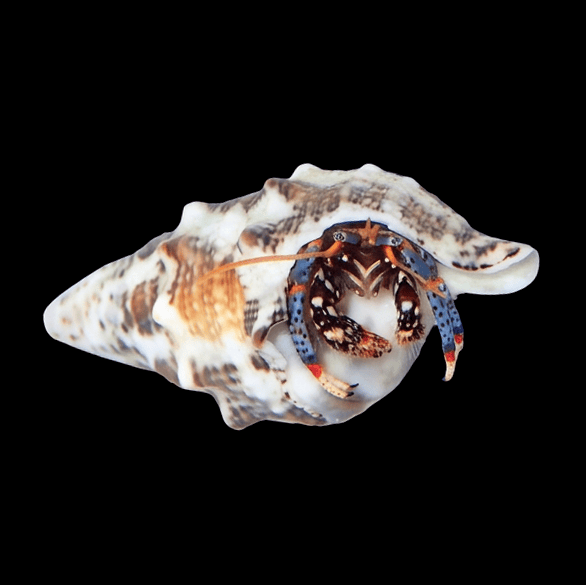
  • Blue Leg Hermit Crab

  • Trochus Snail

  • Astrea Snail

  • Red Leg Hermit Crab

  • Emerald Crab

  • Tiger Sand Conch

  • Cerith Snail

  • Peppermint Shrimp

  • Nassarius Snail

  • Margarita Snail

  • Bumble Bee Snail

  • Skunk Cleaner Shrimp

  • Sand Sifting Starfish

  • Dolabella Sea Hare

  • Scarlet Hermit Crab

  • Tuxedo Urchin

  • Pink Pin Cushion Urchin

  • Super Tongan Nassarius Snail

  • Halloween Hermit Crab

  • Variegated Urchin

  • Fighting Conch

  • Ninja Star Snails

  • Tiger Tail Cucumber

  • Chestnut Snail

Top picks

Popular Clean Up Crew Inverts

Compare the strongest options in this collection at a glance.

Trochus Snail

Trochus Snail

Starting at $6.99
Care Level
Easy
Reef safe
Yes
Temperament
Peaceful Grazer
Diet
Herbivore
Origin
Indo-Pacific
Scientific
Trochus histrio
View details
Astrea Snail

Astrea Snail

Starting at $2.49
Care Level
Easy
Reef safe
Yes
Temperament
Peaceful
Diet
Herbivore
Origin
Caribbean / Western Atlantic
Scientific
Astraea tecta
View details
Red Leg Hermit Crab

Red Leg Hermit Crab

Starting at $2.99
Care Level
Easy
Reef safe
Yes
Temperament
Semi Peaceful Scavenger
Diet
Omnivore
Origin
Caribbean Sea and Western Atlantic, including the Gulf of Mexico
Scientific
Clibanarius digueti
View details

Answers

What is a clean up crew in a saltwater tank?

A clean up crew (CUC) is a group of invertebrates that eat algae, leftover food, and detritus. A typical reef crew combines grazing snails, hermit crabs, sand-sifting snails or conchs, and sometimes emerald crabs, urchins, cucumbers, or cleaner shrimp.

When should I add a clean up crew?

Add the first members once the tank has cycled and film algae or diatoms start to appear, usually a few weeks after setup. Start small and add more as algae grows so the crew does not starve in a clean new system.

How many clean up crew members do I need?

A common starting point is one snail or hermit per 1 to 2 gallons, split between rock grazers and sand sifters, then adjust based on algae and detritus. Our clean up crew packs are sized to take the guesswork out of a first order.

Are hermit crabs and snails reef safe?

Most snails, small hermits, and sand-sifting conchs are reef safe. Hermit crabs may fight snails for shells, so keep a few spare empty shells in the tank. Emerald crabs and urchins are usually safe but can knock over loose frags.

Will a clean up crew fix my algae problem?

It helps control algae but will not cure the cause. Persistent algae usually comes from excess nitrate and phosphate, too much light, or low flow. Pair your crew with regular water changes, nutrient export, and careful feeding.

Dive deeper

More info and buying tips

Building a Balanced Reef Clean Up Crew

Algae grazers for rock and glass

Snails do most of the algae work. Trochus snails and Astrea snails graze film algae off glass and rock, Mexican Turbo snails handle heavier hair algae, and Cerith snails work both rock and sand.

Sand bed cleaners

Burrowing species keep the substrate turning over. Nassarius snails surface to scavenge leftover food, the Tiger Sand Conch sifts film and detritus from the sand bed, and sea cucumbers process organic waste in larger systems.

Scavengers and detritivores

Hermit crabs such as the Blue Leg Hermit Crab reach crevices snails cannot, and serpent stars clean up food that falls into the rockwork. Cleaner and peppermint shrimp add scavenging and, in the case of peppermints, Aiptasia control.

Stocking and acclimation

Invertebrates are more sensitive to salinity and copper than fish, so drip acclimate slowly and never add them to a copper-treated system. Keep salinity, alkalinity, and calcium steady with reliable water test kits, and browse the full invertebrate glossary for species-level care notes.