TSA Blue Torch Coral

TSA Blue Torch Coral

Euphyllia Torch LPS

Overview

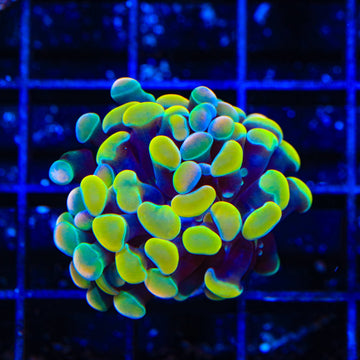
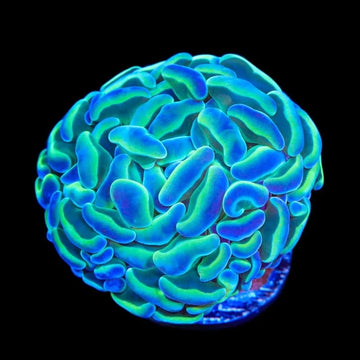
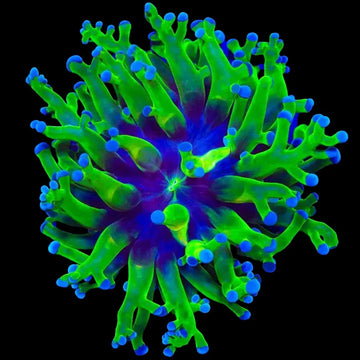
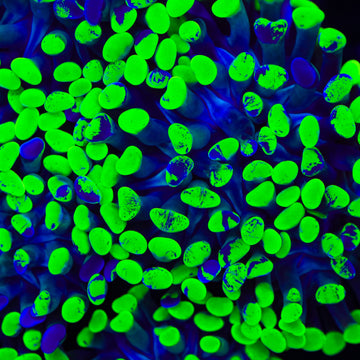
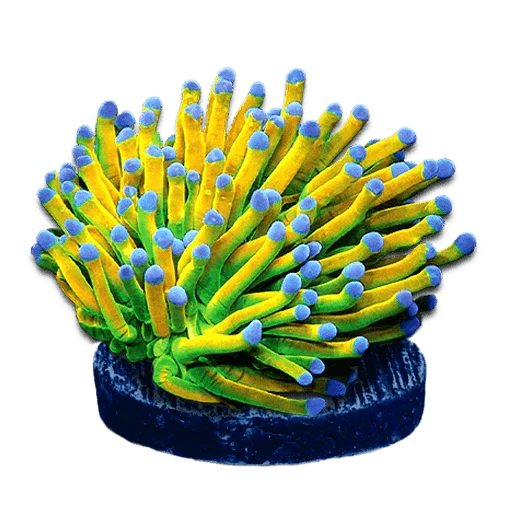
Blue Torch Coral shows long, waving tentacles with bright tips. Fimbriaphyllia glabrescens is a large-polyp stony coral with branching heads; it does best under moderate light and moderate, indirect water flow. It hosts symbiotic algae for most nutrition but benefits from occasional small meaty feedings, which can support growth and coloration. Place it where tentacles cannot reach other corals, as it has a strong sting and needs space.

Quick Facts

Care Moderate
Lighting Moderate–High
Flow Moderate, indirect
Placement Mid–Low
Temperament Aggressive (6–10 inches spacing)

Recommended Parameters

Temp 77–80°F
pH 8.1–8.4
Salinity 1.025–1.026
Calcium 400–450 ppm
AlkAlkalinity 8–10 dKH
Magnesium 1280–1350 ppm
Feeding photosynthetic, mysis shrimp, enriched brine shrimp, chopped krill, finely chopped shrimp or clam, rotifers, zooplankton, microplankton, coral-specific foods

Care & Placement

Blue Torch Coral (Fimbriaphyllia glabrescens) thrives in stable, clean systems with moderate light and gentle, indirect flow. Aim for 80–150 PAR; too much light can cause bleaching, while too little reduces extension and color. Provide a broad, oscillating current that makes tentacles sway without whipping; this helps gas exchange and prevents detritus buildup at the skeleton. Target-feed small meaty foods (mysis, finely chopped seafood) 1–2 times weekly; feed lightly to avoid fouling. Keep temperature 76–79°F, pH 8.1–8.4, salinity 1.025–1.026, calcium 400–450 ppm, alkalinity 8.0–9.5 dKH, magnesium 1300–1400 ppm, nitrate 2–10 ppm, and phosphate 0.03–0.08 ppm. Use reliable test kits and maintain stability; alkalinity and salinity swings often trigger recession.Place mid to lower in the tank on a stable rock ledge with room to expand. Leave 6–8 inches (15–20 cm) from neighbors; at night it can extend long sweepers that sting nearby corals. Avoid highly aggressive species and direct flow from pumps. Acclimate by temperature-matching and a 30–45 minute drip, then light-acclimate over 1–2 weeks. Dip new pieces to reduce pests, handle by the skeleton, and avoid tearing tissue on sharp edges. Watch for signs of stress: paling (excess light), closed polyps (excess flow or pests), brown jelly after damage (siphon promptly, iodine dip, increase flow, and remove necrotic areas). An auto top-off and regular, small water changes help keep parameters steady.

FAQ

Frequently Asked Questions

About the TSA Blue Torch Coral

  • My Blue Torch Coral’s tips are burning or receding despite “good” test results—what’s the likely cause?
    Tip burn often tracks back to instability or excess: rapid alkalinity swings, PAR over ~250, strong laminar flow, or ultra-low nutrients. Aim for alk 8–9 dKH (stable), PAR 150–250, random moderate flow, NO3 5–15 ppm, PO4 0.03–0.10 ppm. Acclimate to light, avoid blasting flow directly at the polyp, and consider a broad-spectrum coral dip if recession has a bacterial look. Stability beats chasing higher numbers.
  • How do I keep gold or neon coloration from fading to green or brown?
    Color shifts when spectrum, nutrients, and trace balance drift. Keep a blue-heavy spectrum (14–20K), avoid excessive white that washes fluorescents, maintain moderate nutrients (not ULNS), and keep iron/iodine within normal reef ranges via water changes or cautious dosing. Don’t push PAR to “chase” color; torches color best with stable PAR 150–250 and steady alk/Ca. Sudden light changes can stress zoox and mute pigments.
  • Why are sweepers suddenly reaching much farther at night, stinging neighbors?
    F. glabrescens can extend sweepers 6–10 inches (sometimes more) with increased aggression under nutrient shifts, allelopathy, or higher flow. Give wide berth in all directions, use alternating/random flow (not straight streams that carry stings), run fresh carbon, and perform regular water changes to reduce chemical cues. Nighttime extensions are normal—plan rockwork so tentacles cannot contact sensitive LPS/SPS, and reposition if you see repeated sting marks.
  • Can clownfish live in a Blue Torch Coral, or will it stress the coral?
    Some clowns will attempt to host, but rough contact can cause retraction, torn tissue, or recession. If you want to try, choose smaller, gentler species, introduce a proper anemone alternative, or use a mesh guard to let the coral acclimate gradually. Watch for prolonged deflation or damaged tips; if seen, redirect the clowns’ attention with a surrogate (e.g., long tentacle toadstool) or relocate the coral to a less accessible spot.