
Saltwater Invertebrate Guide: Clean-Up Crew, Snails, Crabs, Shrimp & Stars
Browse our saltwater invertebrate guide to identify reef clean-up crew members and learn how to care for them. Compare reef safety, temperament, diet, and ideal roles for snails, crabs, shrimp, starfish, urchins and more.
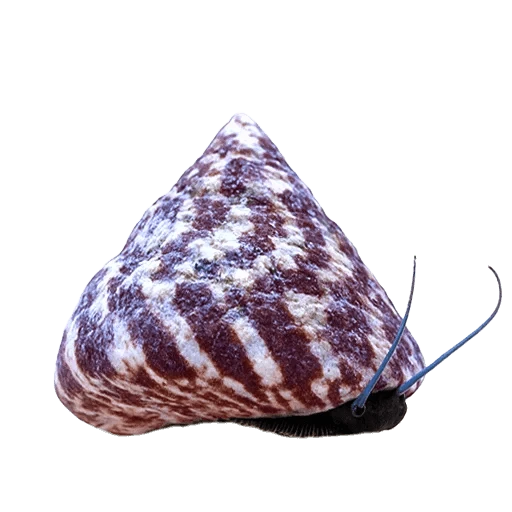
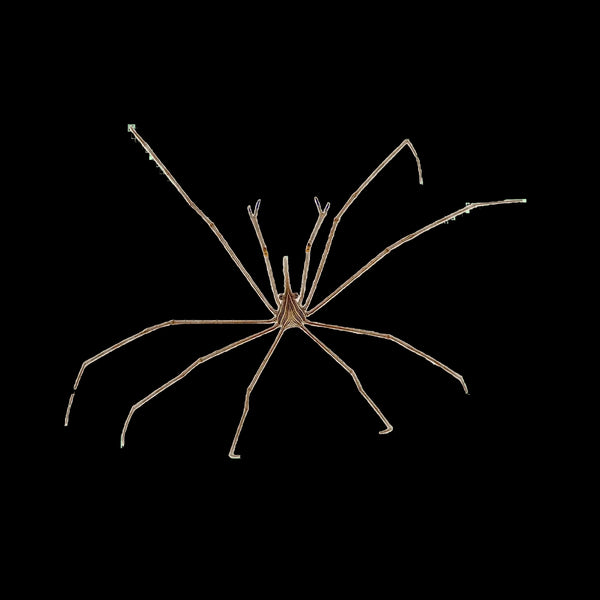
Arrow Crab
Stenorhynchus seticornis
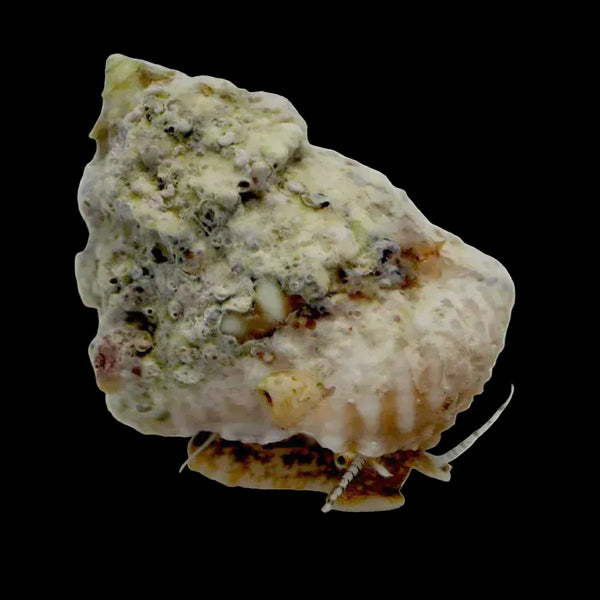
Astrea Snail
Astraea tecta
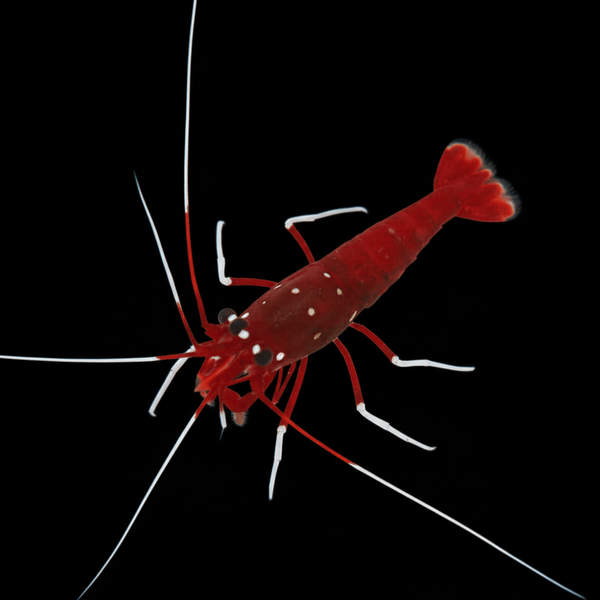
Blood Red Fire Shrimp
Lysmata debelius
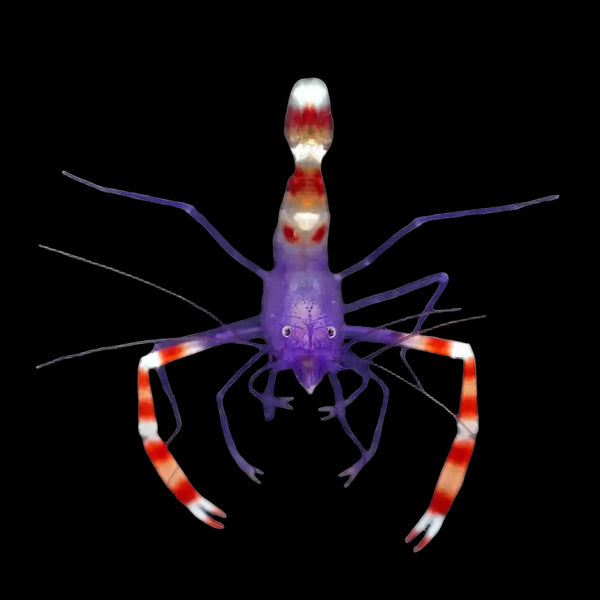
Blue Coral Banded Shrimp
Stenopus sp.
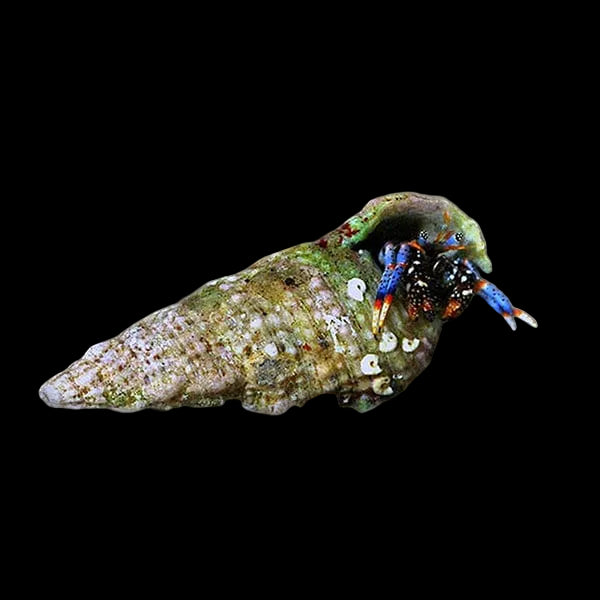
Blue Leg Hermit Crab
Clibanarius tricolor
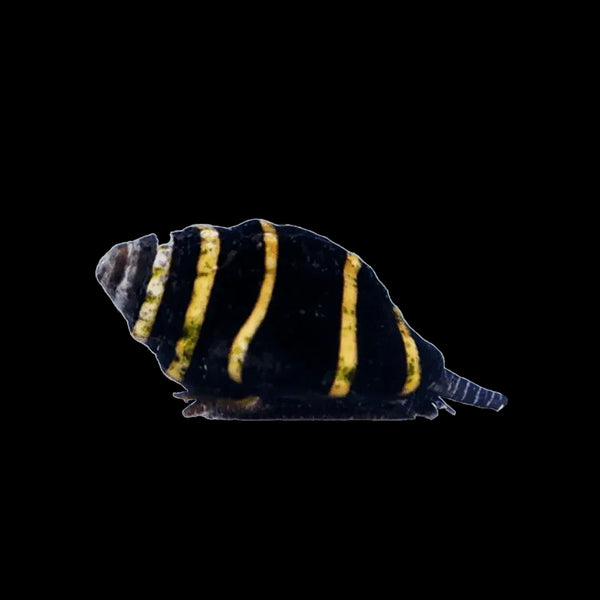
Bumble Bee Snail
Engina mendicaria
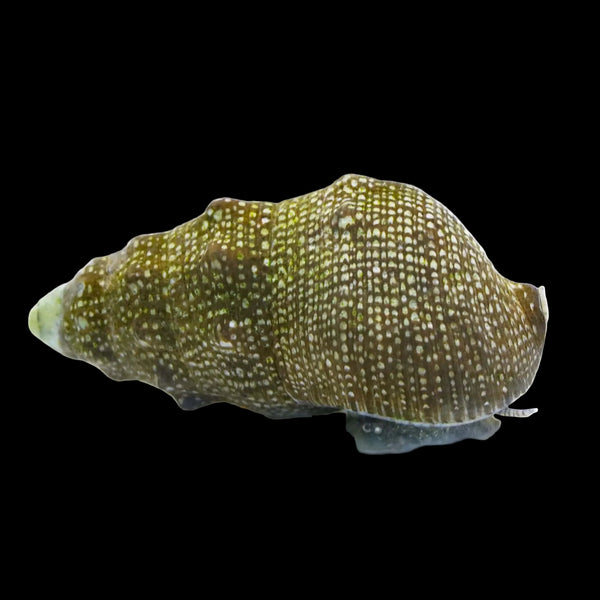
Cerith Snail
Cerithium litteratum
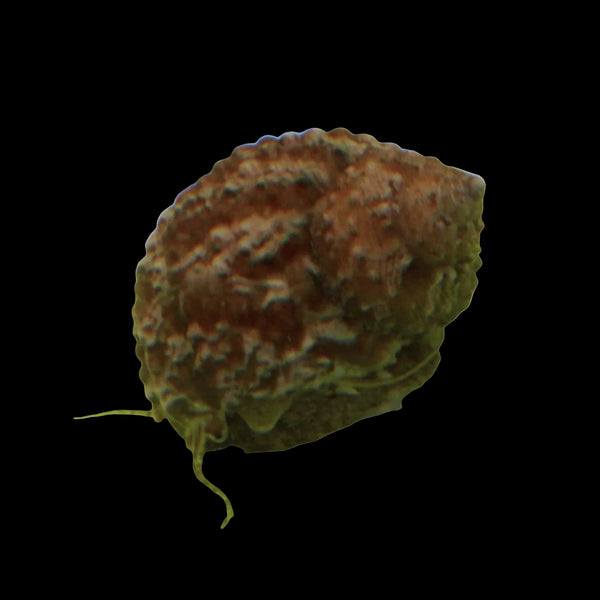
Chestnut Snail
Tectus fenestratus
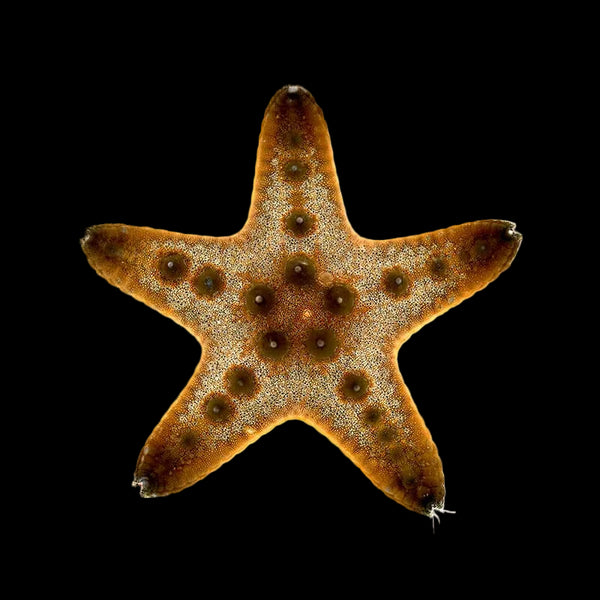
Chocolate Chip Starfish
Protoreaster nodosus
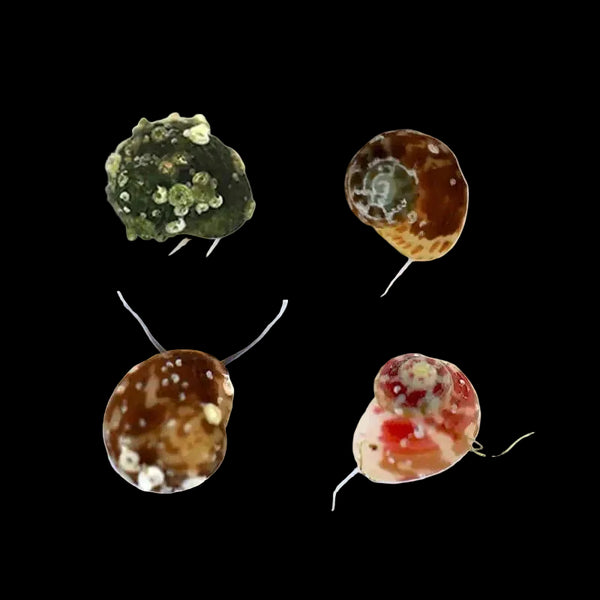
Collonista Snail
Collonista amakusaensis
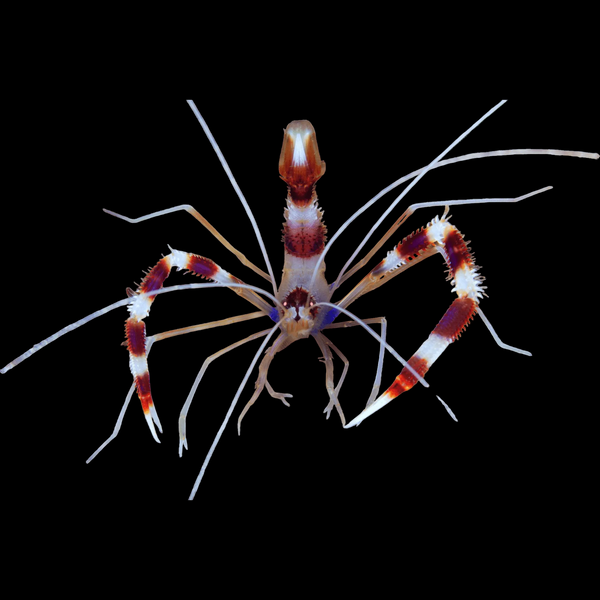
Coral Banded Shrimp
Stenopus hispidus
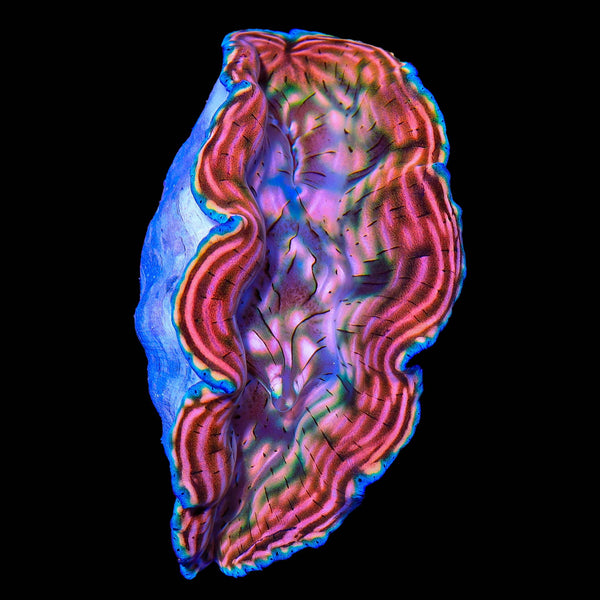
Derasa Clam
Tridacna derasa
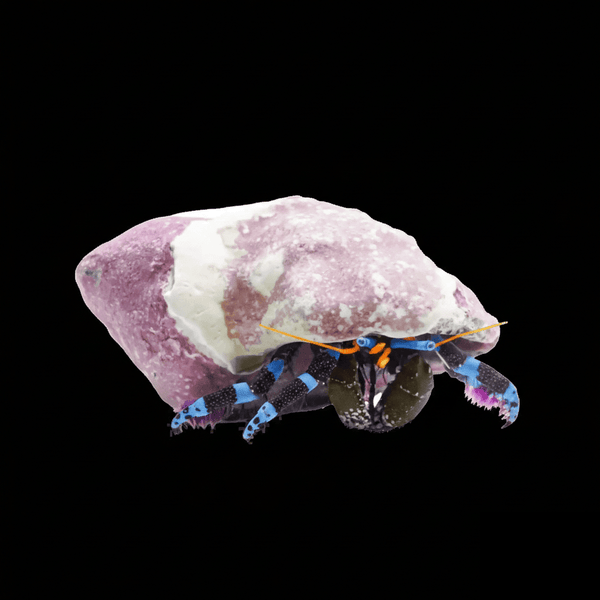
Electric Blue Hermit Crab
Calcinus elegans
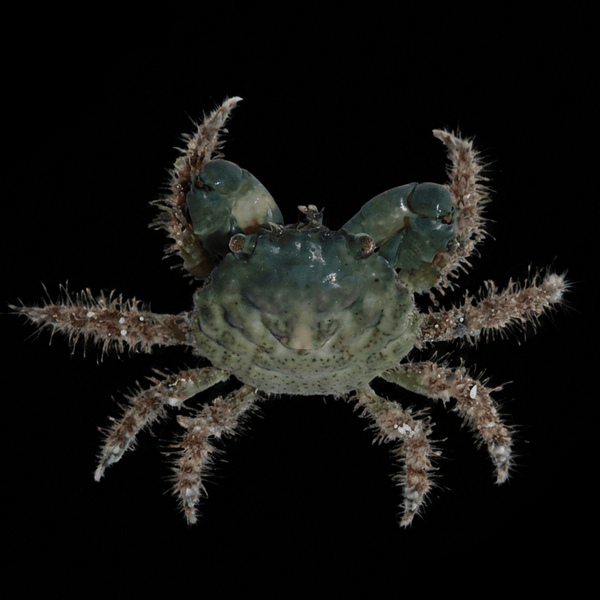
Emerald Crab
Mithraculus sculptus
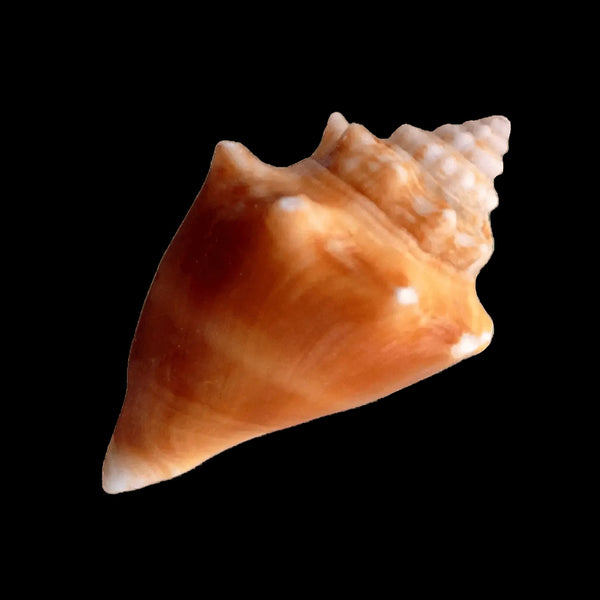
Fighting Conch
Strombus alatus
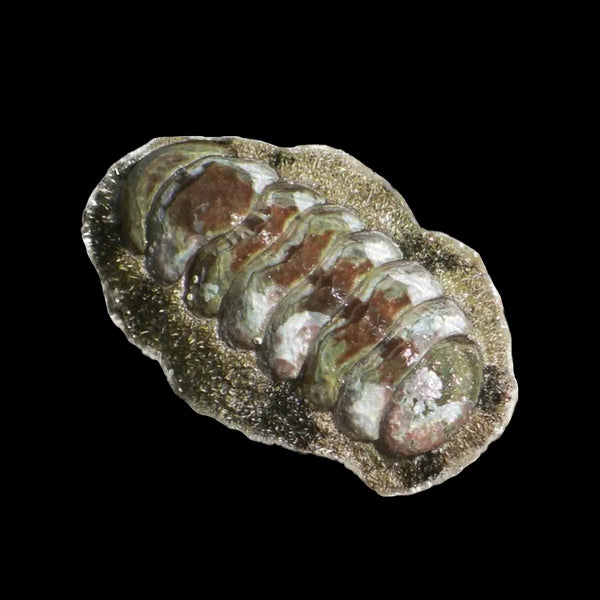
Fuzzy Chiton
Acanthochitona sp.
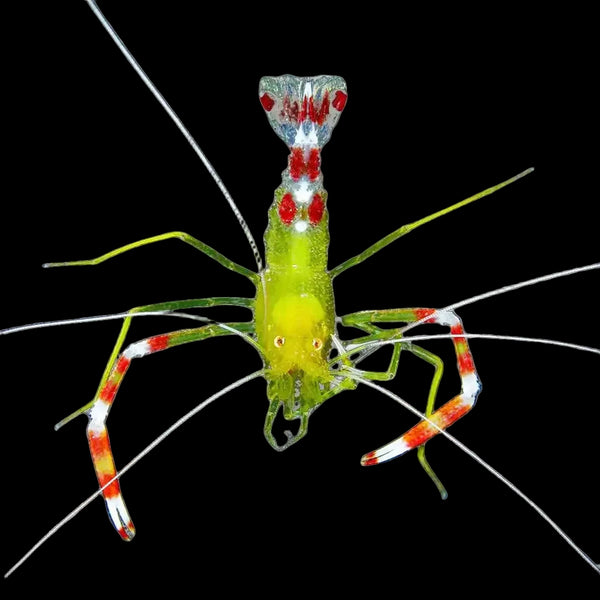
Gold Coral Banded Shrimp
Stenopus sp.
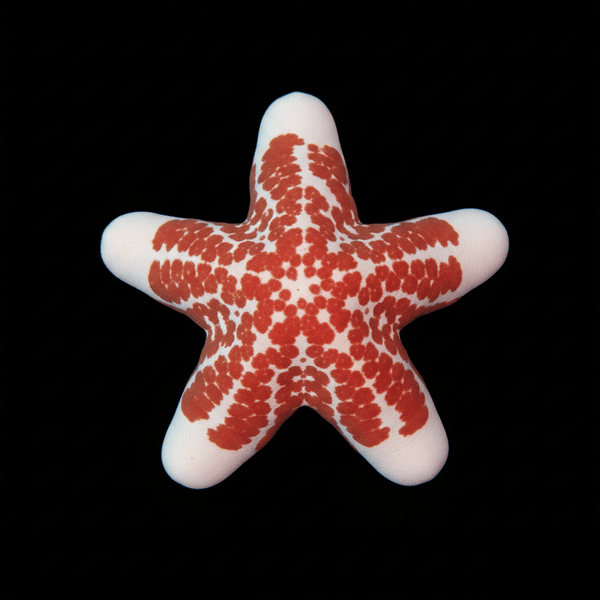
Granulated Starfish
Choriaster granulatus
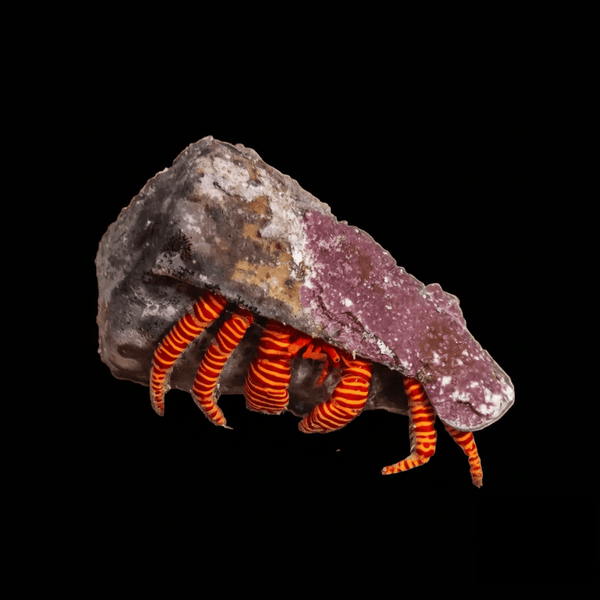
Halloween Hermit Crab
Ciliopagurus strigatus
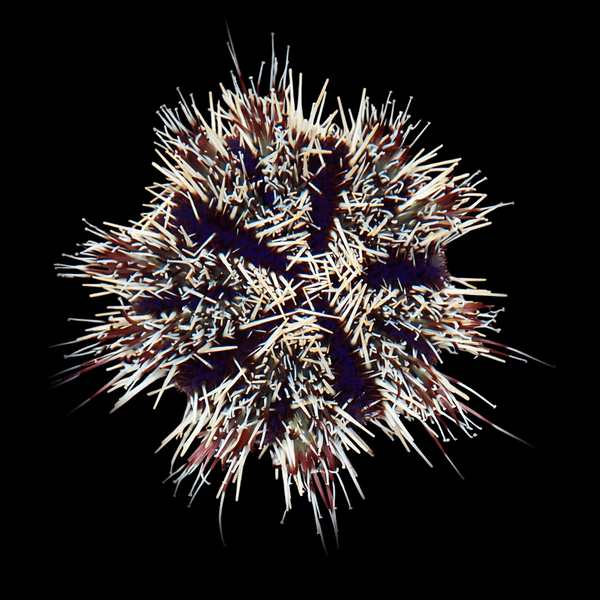
Halloween Urchin
Tripneustes gratilla
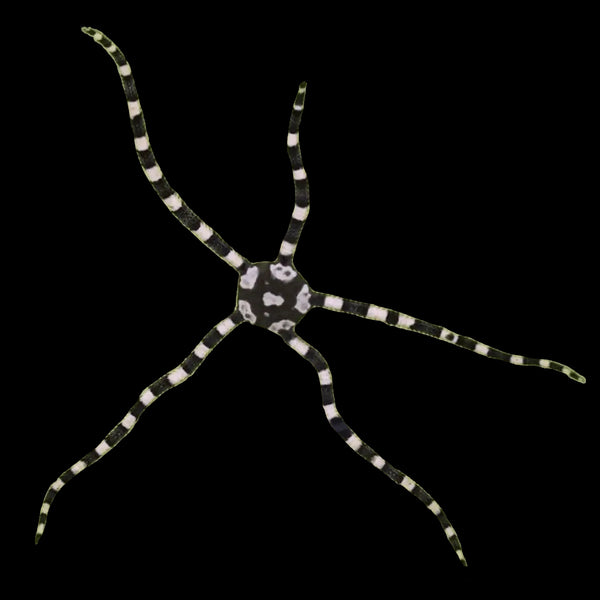
Harlequin Serpent Starfish
Ophiarachna incrassata
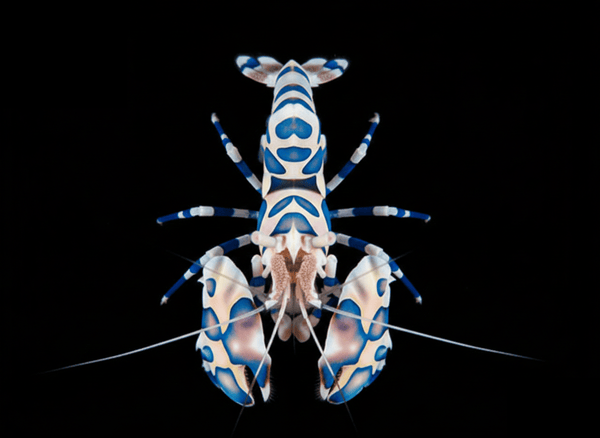
Harlequin Shrimp
Hymenocera picta
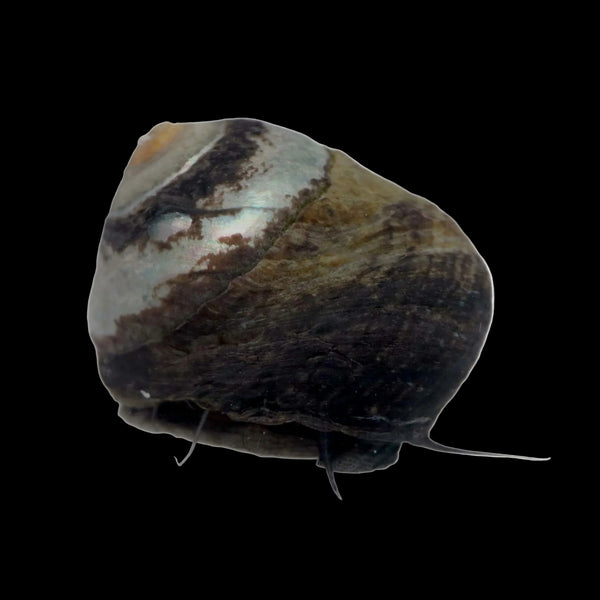
Margarita Snail
Margarites pupillus
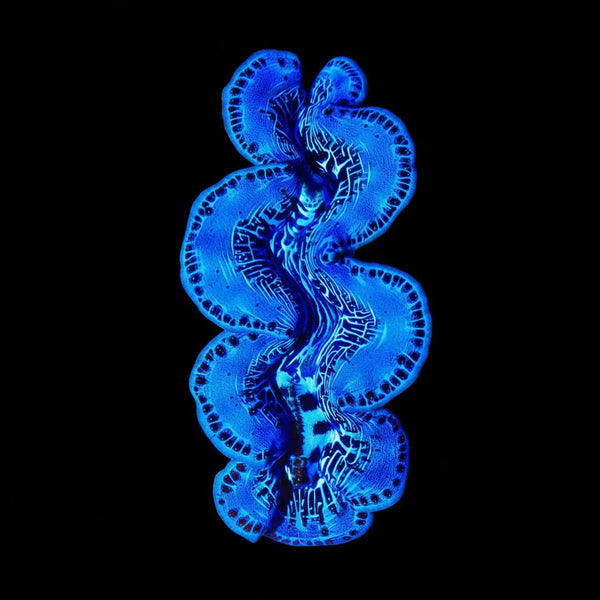
Maxima Clam
Tridacna maxima
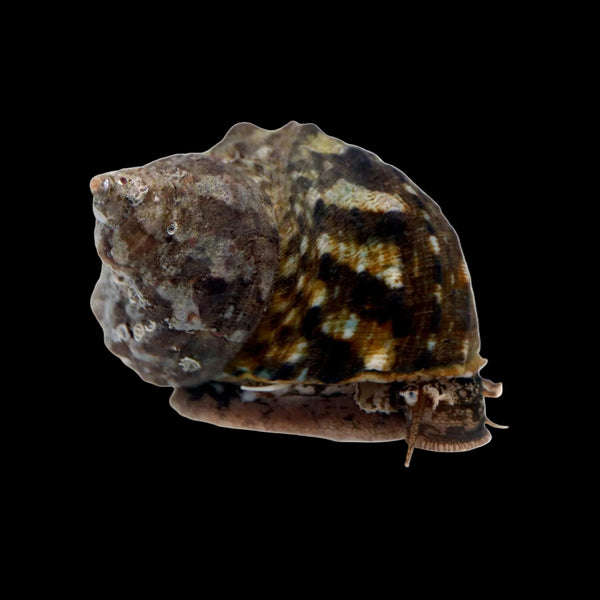
Mexican Turbo Snail
Turbo fluctuosa
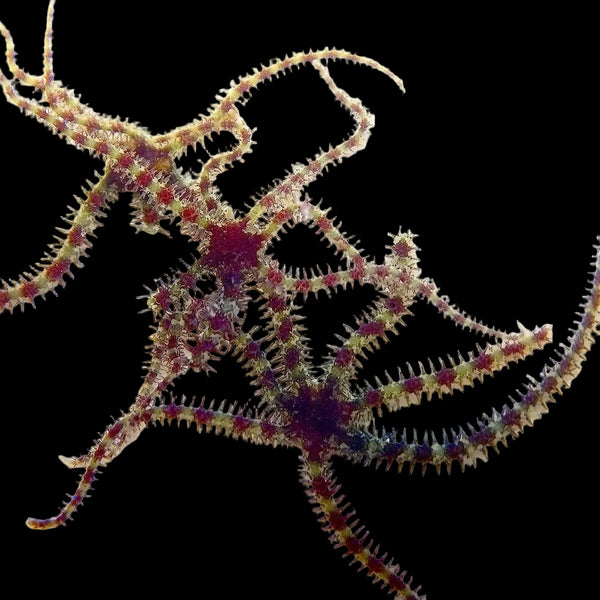
Micro Brittle Starfish
Ophiuroidea spp.
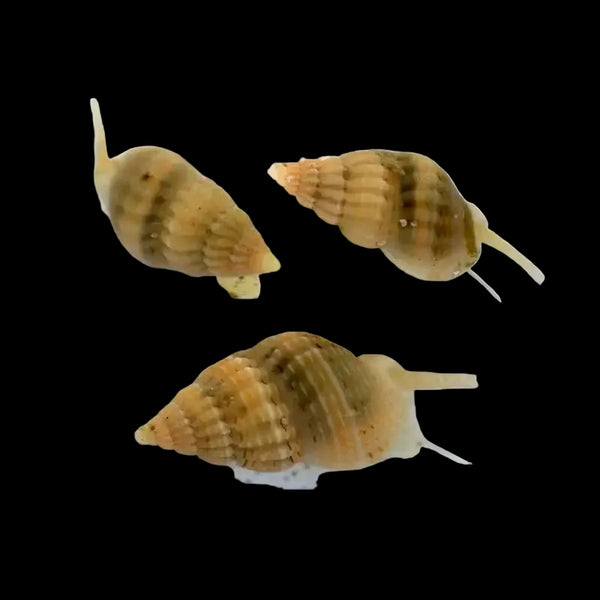
Mini Nassarius Snail
Nassarius vibex
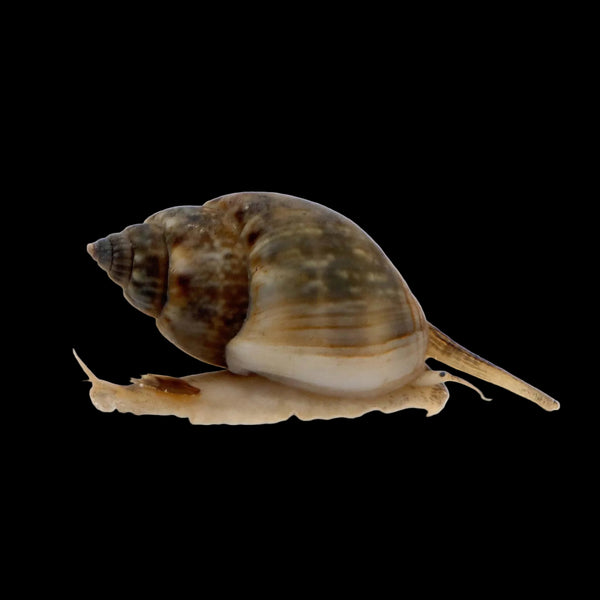
Nassarius Snail
Nassarius vibex
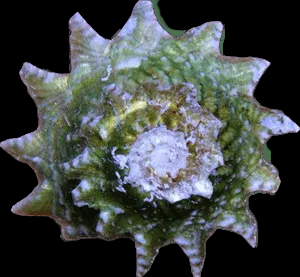
Ninja Star Snails
Astralium calcar
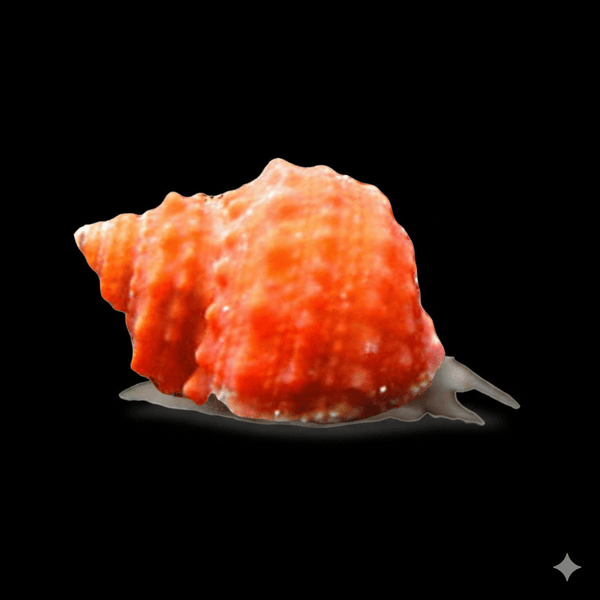
Orange Chestnut Snail
Tectus fenestratus
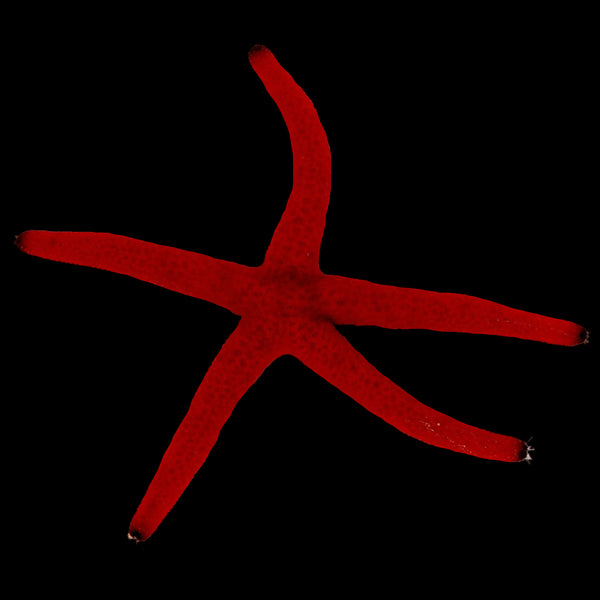
Orange Linckia Starfish
Linckia multifora
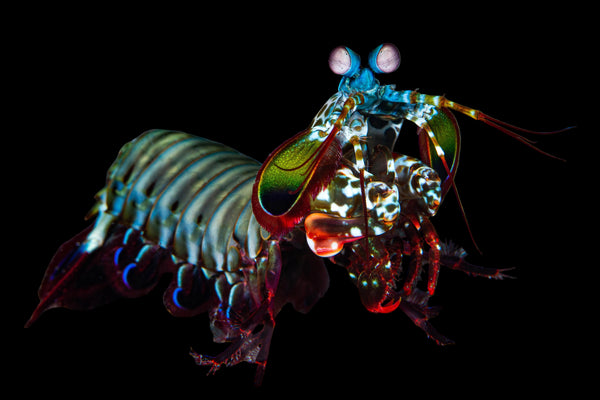
Peacock Mantis Shrimp
Odontodactylus scyllarus
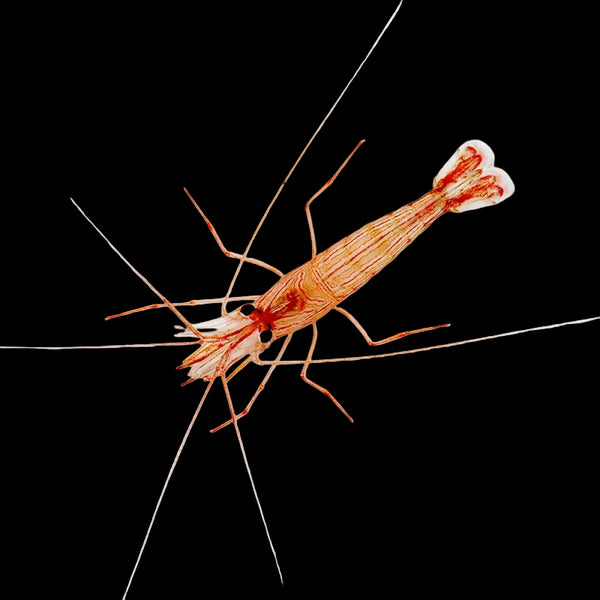
Peppermint Shrimp
Lysmata wurdemanni
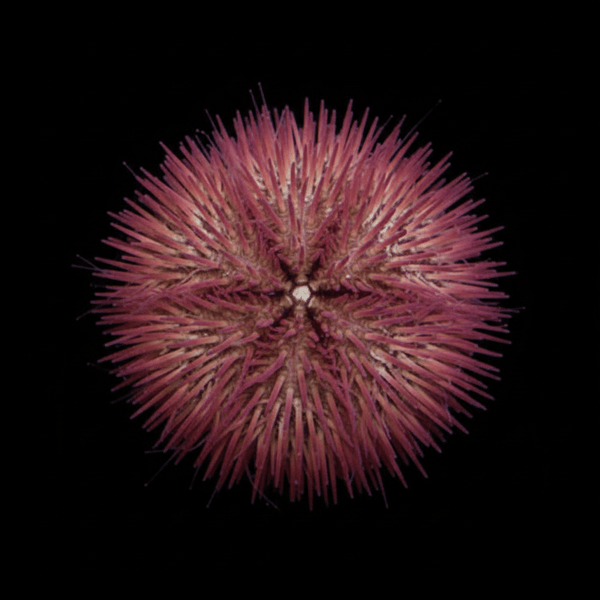
Pink Pin Cushion Urchin
Lytechinus variegatus
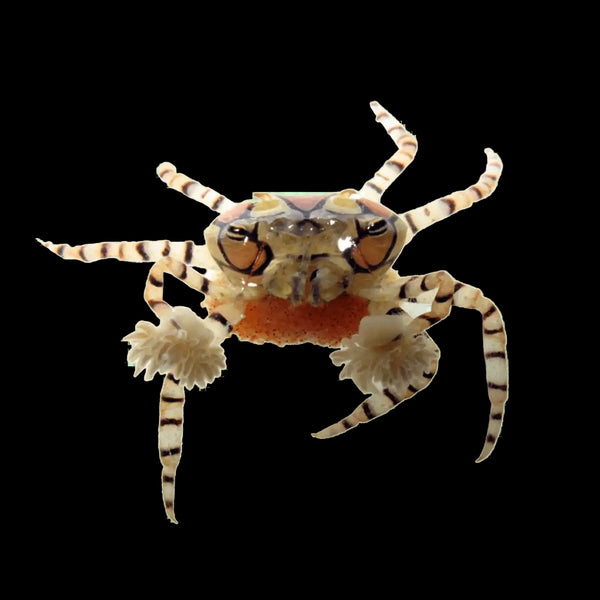
Pom Pom Crab
Lybia tessellata
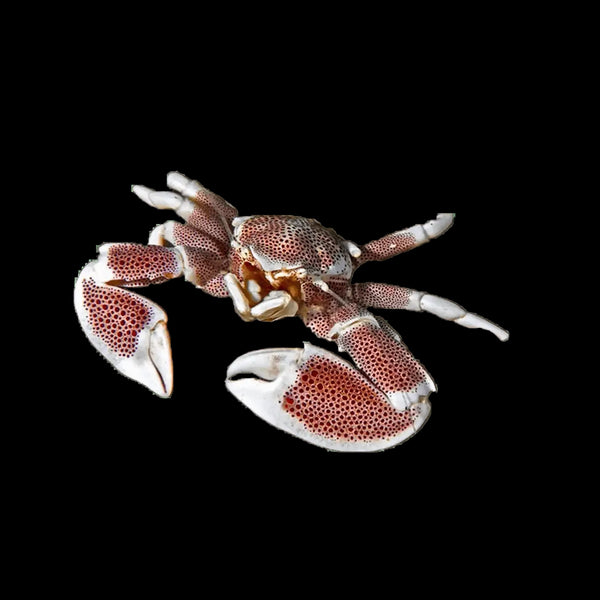
Porcelain Anemone Crab
Porcellana sayana
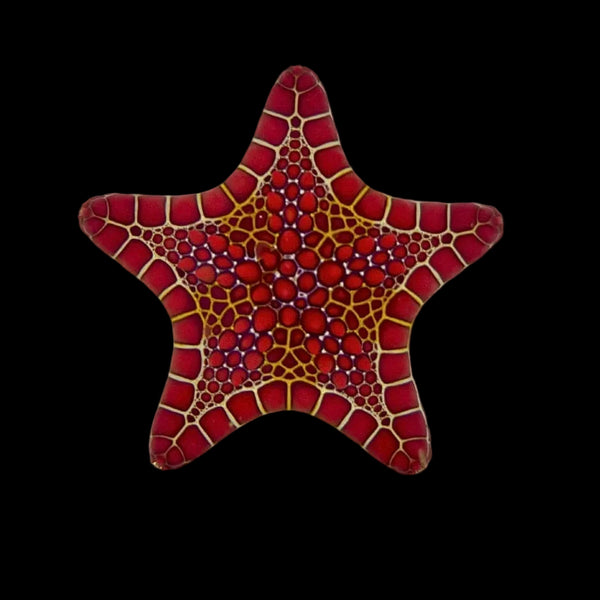
Red Biscuit Starfish
Fromia monilis
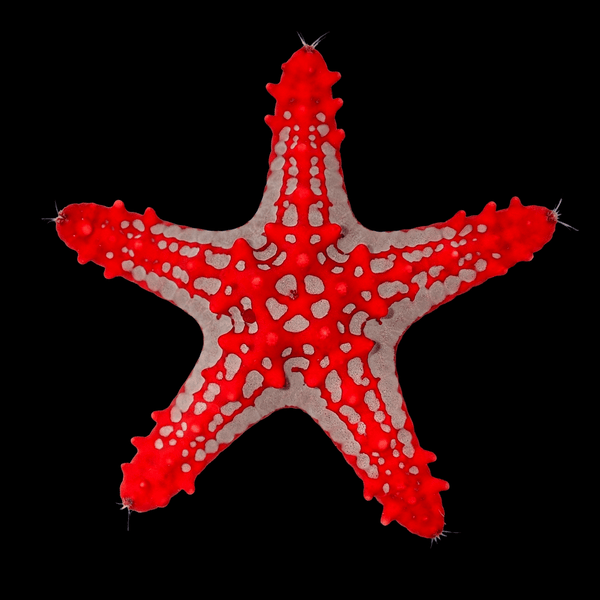
Red Knobby Starfish
Protoreaster linckii
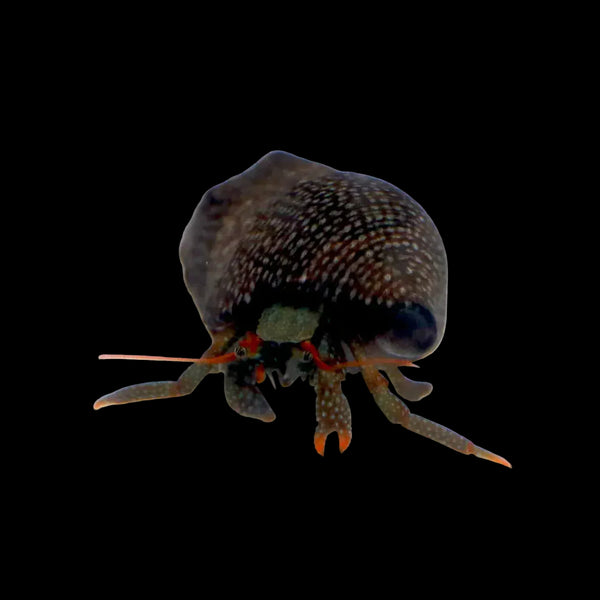
Red Leg Hermit Crab
Clibanarius digueti
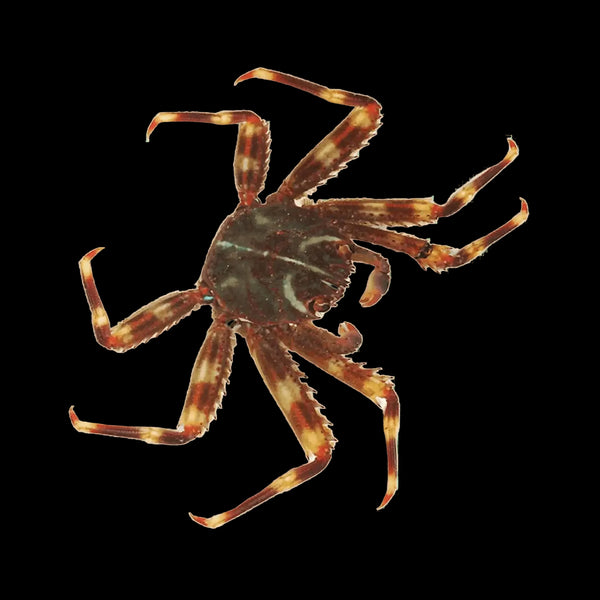
Sally Lightfoot Crab
Percnon gibbesi
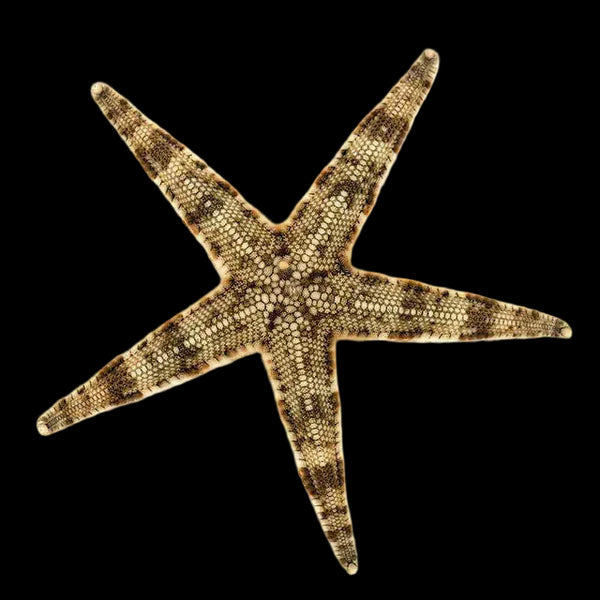
Sand Sifting Starfish
Astropecten polycanthus
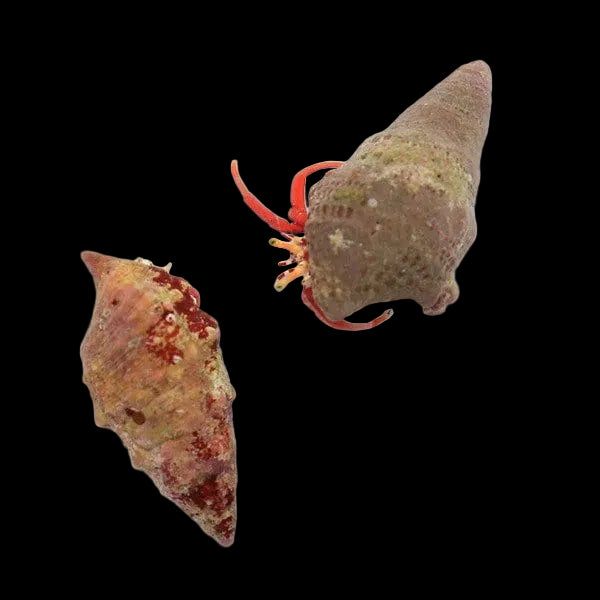
Scarlett Red Hermit Crab
Paguristes cadenati
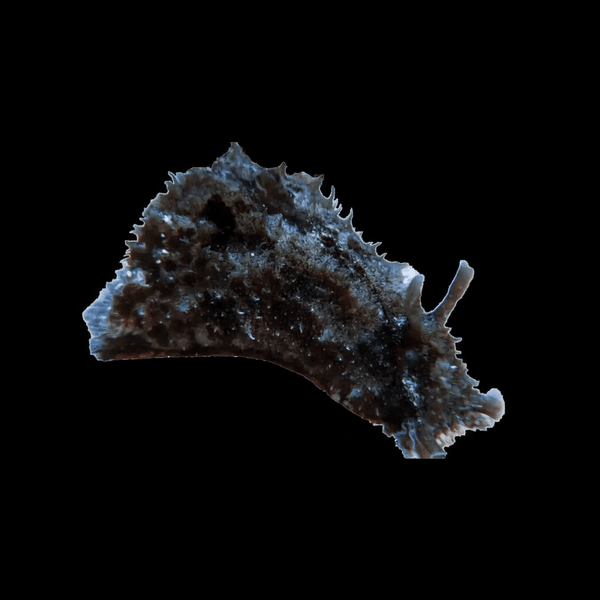
Sea Hare Sea Slug
Dolabella auricularia
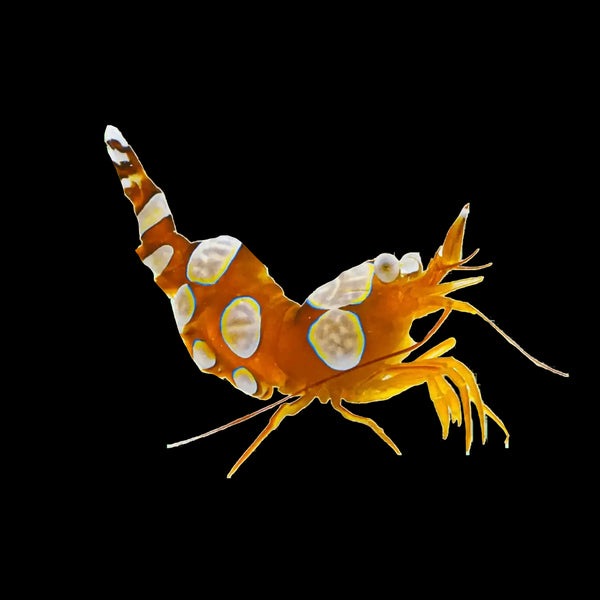
Sexy Anemone Shrimp
Thor amboinensis
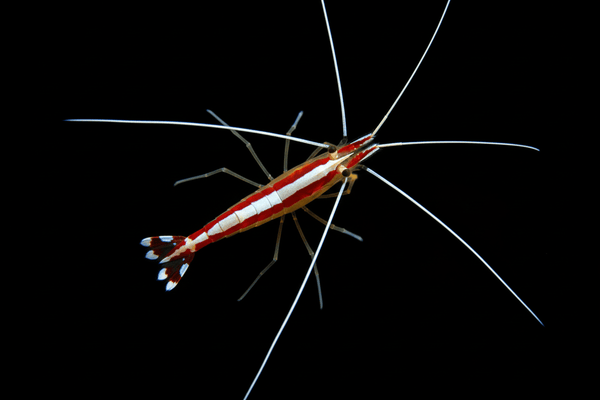
Skunk Cleaner Shrimp
Lysmata amboinensis
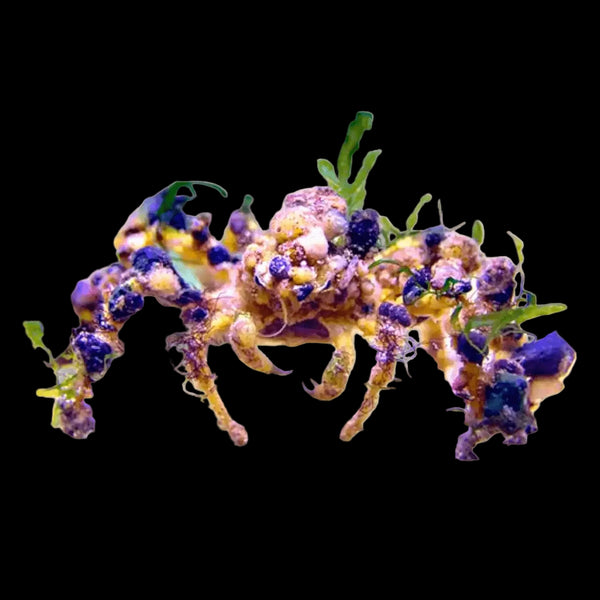
Spider Decorator Crab
Camposcia retusa
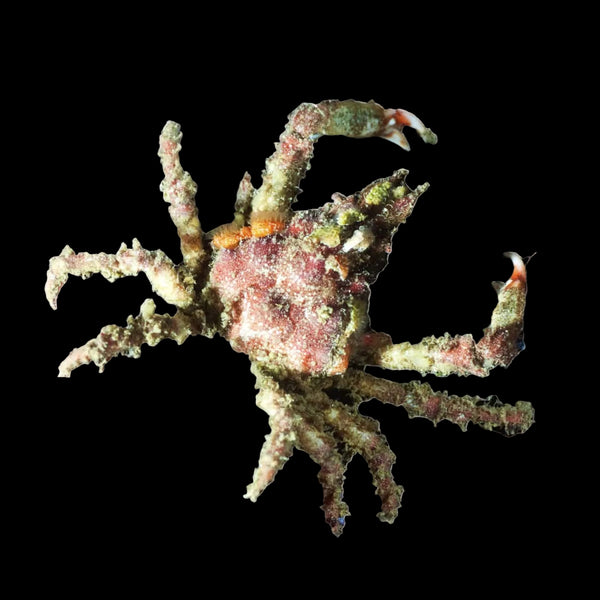
Sponge Decorator Crab
Cryptodromia hilgendorfi
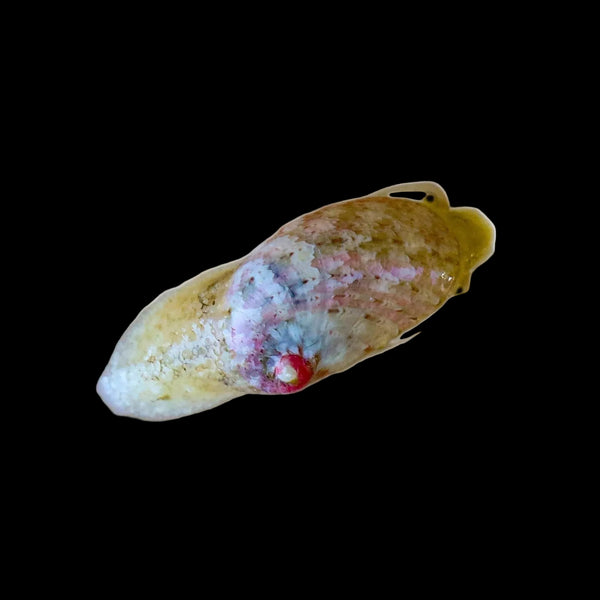
Stomatella Snail
Stomatella varia
Choose saltwater invertebrates by role and compatibility
Saltwater aquarium invertebrates include far more than a generic clean-up crew. Snails, hermit crabs, true crabs, shrimp, sea stars, urchins, anemones, worms, and other animals occupy different niches and have different feeding, space, and reef-safety requirements. This glossary helps identify common species and compare care level, temperament, diet, and compatibility before adding them to a marine aquarium.
Begin with the job you expect the animal to perform, then confirm that the aquarium can support it after that job is done. An algae grazer needs access to the type of algae it actually eats. A scavenger still needs enough appropriate food when visible detritus is limited. Sand-sifting animals depend on the condition and maturity of the substrate, while filter feeders may need suspended foods that a very clean system does not provide.
Build a balanced clean-up crew
A balanced crew uses several complementary behaviors instead of adding a large number of one animal. Different snails may graze film algae, work across rock, or move through sand. Hermit crabs are active scavengers but can compete for shells or disturb other invertebrates. Urchins can be effective grazers while also moving loose frags or small pieces of rockwork. Compare profiles and stock gradually so the available food supports the animals long term.
Tank size alone does not determine the right number. Age of the aquarium, surface area, feeding, algae growth, substrate, and existing competition all matter. Add animals in response to observed needs and reassess as the system changes. Our clean-up crew stocking guide explains how to plan by function instead of using a fixed animal-per-gallon formula.
Check reef safety and specialized care
“Invertebrate” is a biological grouping, not a compatibility label. Some crabs, sea stars, shrimp, and anemones can harm corals, fish, clams, or other mobile invertebrates. Even animals generally considered reef safe may knock over unsecured frags or compete for food. Review the individual profile and consider the exact coral and livestock community in the aquarium.
Specialized feeders deserve extra caution. Some animals depend on mature rock, established sand beds, particular prey, or frequent target feeding. Others grow much larger than their retail size suggests. Confirm adult size, food source, and escape risk, and protect pump intakes when an animal is likely to roam. Stable salinity is especially important for many marine invertebrates, so avoid rapid changes during acclimation or water correction.
Identify unexpected hitchhikers before reacting
Not every unfamiliar invertebrate is a pest. Small worms, brittle stars, copepods, amphipods, sponges, and other hitchhikers can be harmless or beneficial. Photograph the animal under white light when possible, note where it appears and how it behaves, then compare those traits with the profiles. If the organism is damaging livestock or spreading aggressively, continue with the reef pest identification guide.
Acclimate and observe new invertebrates
Before acclimation, compare the shipping-water salinity with the receiving system and follow a method appropriate to the animal and the time spent in transit. Avoid exposing sensitive species to sudden changes, and never add shipping water to the display. Once introduced, watch attachment, movement, feeding, and interactions with fish rather than assuming an animal that disappears is lost.
Secure loose coral frags and protect pump intakes when adding strong grazers or roaming animals. Confirm that fish and crabs will not prey on the new arrival, and provide empty shells when keeping hermit crabs. If an animal repeatedly leaves one area, investigate flow, light, food, aggression, and water quality before moving it back by force.
Browse every invertebrate profile below for identification and care details. When research is complete, the saltwater invertebrate collection provides current livestock availability without turning this reference page into a product catalog.
Browse every profile 1–54 of 54
- Arrow CrabStenorhynchus seticornis
- Astrea Snail Astraea tecta
- Blood Red Fire ShrimpLysmata debelius
- Blue Coral Banded ShrimpStenopus sp.
- Blue Leg Hermit CrabClibanarius tricolor
- Bumble Bee SnailEngina mendicaria
- Cerith SnailCerithium litteratum
- Chestnut SnailTectus fenestratus
- Chocolate Chip StarfishProtoreaster nodosus
- Collonista SnailCollonista amakusaensis
- Coral Banded ShrimpStenopus hispidus
- Derasa ClamTridacna derasa
- Electric Blue Hermit CrabCalcinus elegans
- Emerald CrabMithraculus sculptus
- Fighting ConchStrombus alatus
- Fuzzy ChitonAcanthochitona sp.
- Gold Coral Banded ShrimpStenopus sp.
- Granulated StarfishChoriaster granulatus
- Halloween Hermit CrabCiliopagurus strigatus
- Halloween UrchinTripneustes gratilla
- Harlequin Serpent StarfishOphiarachna incrassata
- Harlequin ShrimpHymenocera picta
- Margarita SnailMargarites pupillus
- Maxima ClamTridacna maxima
- Mexican Turbo SnailTurbo fluctuosa
- Micro Brittle StarfishOphiuroidea spp.
- Mini Nassarius SnailNassarius vibex
- Nassarius SnailNassarius vibex
- Ninja Star SnailsAstralium calcar
- Orange Chestnut SnailTectus fenestratus
- Orange Linckia StarfishLinckia multifora
- Peacock Mantis ShrimpOdontodactylus scyllarus
- Peppermint ShrimpLysmata wurdemanni
- Pink Pin Cushion UrchinLytechinus variegatus
- Pom Pom CrabLybia tessellata
- Porcelain Anemone CrabPorcellana sayana
- Red Biscuit StarfishFromia monilis
- Red Knobby StarfishProtoreaster linckii
- Red Leg Hermit CrabClibanarius digueti
- Sally Lightfoot CrabPercnon gibbesi
- Sand Sifting StarfishAstropecten polycanthus
- Scarlett Red Hermit CrabPaguristes cadenati
- Sea Hare Sea SlugDolabella auricularia
- Sexy Anemone ShrimpThor amboinensis
- Skunk Cleaner ShrimpLysmata amboinensis
- Spider Decorator CrabCamposcia retusa
- Sponge Decorator CrabCryptodromia hilgendorfi
- Stomatella SnailStomatella varia
- Tiger Pistol ShrimpAlpheus bellulus
- Tiger Sand ConchStrombus tigris
- Trochus SnailTrochus histrio
- Tuxedo UrchinMespilia globulus
- Variegated UrchinLytechinus variegatus
- Zanzibar Coral Banded ShrimpStenopus zanzibaricus