Rainbow Wall Hammer Coral
Overview
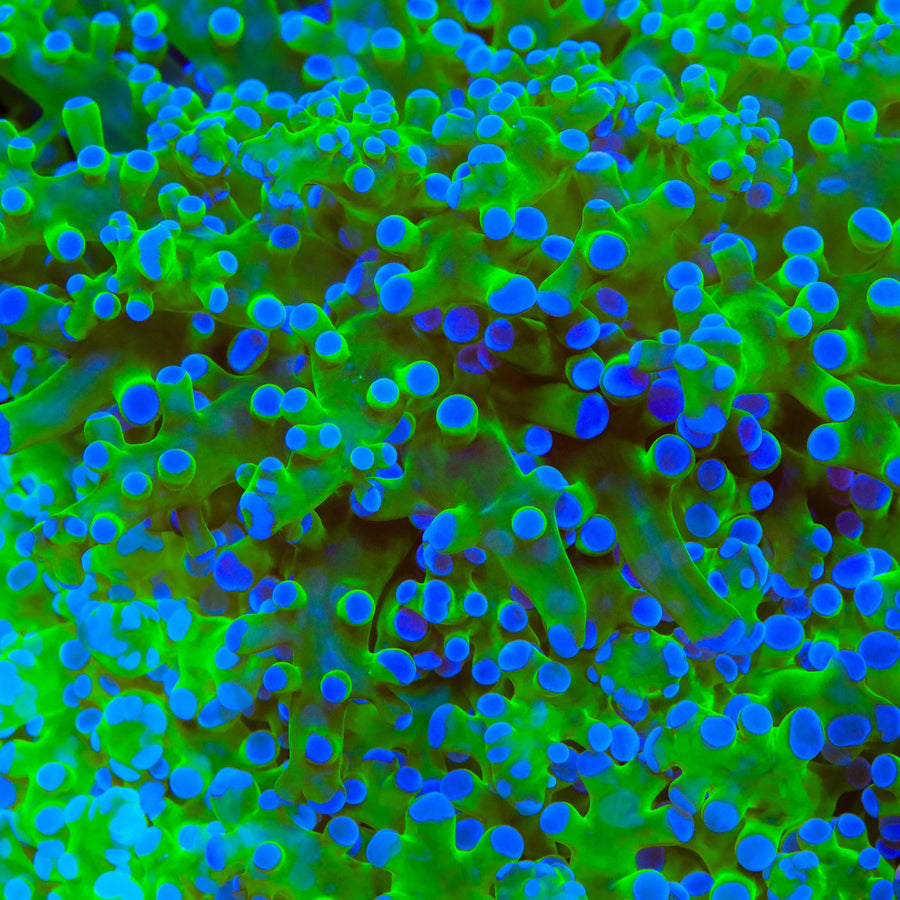
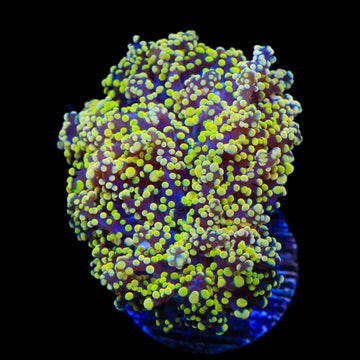
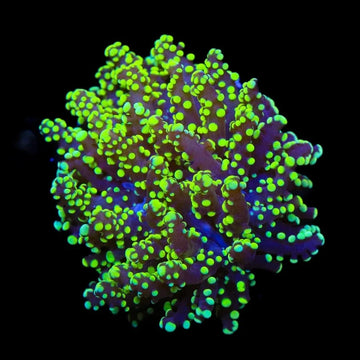
Rainbow Wall Hammer Coral shows long, hammer-shaped tentacle tips forming a continuous, wall-like colony. Fimbriaphyllia ancora is a large-polyp stony coral with a wall skeleton, preferring moderate light and gentle to moderate water flow. It relies on symbiotic algae and also benefits from occasional small meaty foods to support growth and maintain color. Give it ample space and avoid contact with other corals due to stinging sweeper tentacles; place it where tissue won’t rub against sharp rock.
Quick Facts
Care
Moderate
Lighting
Low–Moderate
Flow
Moderate, indirect
Placement
Low–Mid
Temperament
Aggressive (6–8 inches spacing)
Recommended Parameters
Temp
76–80°F
pH
8.1–8.4
Salinity
1.025–1.026
Calcium
400–450 ppm
AlkAlkalinity
8–10 dKH
Magnesium
1280–1350 ppm
Feeding
photosynthetic, mysis shrimp, enriched brine shrimp, finely chopped seafood (shrimp, clam), zooplankton, microplankton, marine snow, coral-specific foods
Care & Placement
FAQ
Frequently Asked Questions
About the Rainbow Wall Hammer Coral
-
Why does my Rainbow Wall Hammer fade from multicolor to mostly green or brown over time?
Spectrum, nutrients, and stability drive its rainbow. Aim for moderate PAR (90–150), blue‑heavy light, NO3 ~5–15 ppm, PO4 ~0.03–0.10 ppm, and steady alk 8–9 dKH. Too much white light or ultra‑low nutrients mute reds/golds; big parameter swings can dull fluorescence. Increase blue channels gradually, avoid aggressive carbon dosing, and don’t bleach it with sudden PAR jumps. -
How can I prevent tissue recession that starts along one edge of the wall?
Recession often follows laminar flow striking a single rim. Provide gentle, oscillating flow so tentacles sway without folding. Inspect for vermetid snails or sharp rubble that cuts tissue on the continuous skeleton. Maintain alk/Ca/Mg stability, keep detritus off the troughs, and target feed lightly once weekly. If recession begins, increase aeration/flow and consider an iodine dip before infection spreads. -
Are there unique compatibility concerns with other corals and fish?
Expect short sweeper tentacles but strong nematocyst sting. Keep distance from torches and Galaxea. Run carbon and maintain space to reduce chemical warfare. Clownfish can abrade a wall hammer; discourage hosting with alternate soft corals or by adjusting flow. Watch for aggressive crabs and vermetids. If contact occurs, redirect flow and reposition to prevent repeated stings or tissue tears along the wall. -
How do I handle sudden polyp bailout or a brown jelly outbreak?
Bailout often follows rapid alk swings or drastic flow/light changes; restore stability, reduce PAR temporarily, and improve oxygenation. For brown jelly, promptly siphon affected tissue, perform an iodine or broad‑spectrum antibacterial coral dip, and increase turbulent flow. Isolate if possible. With walls, cutting away diseased sections is advanced—only attempt with clean saw cuts; otherwise focus on supportive care and stability.