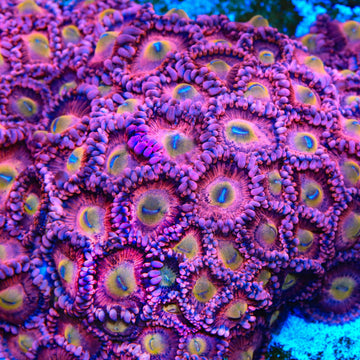
Scarlet Fever Zoanthids Coral
Overview
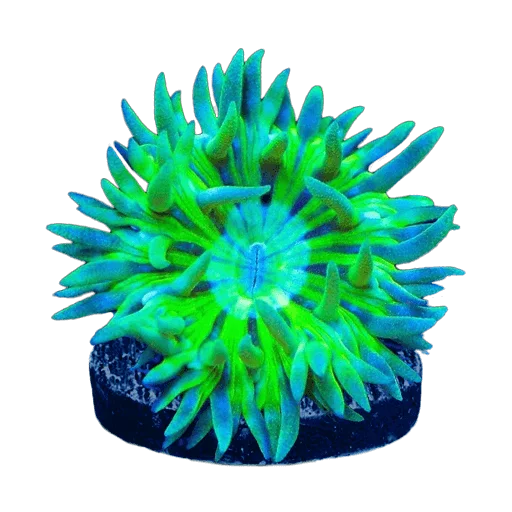
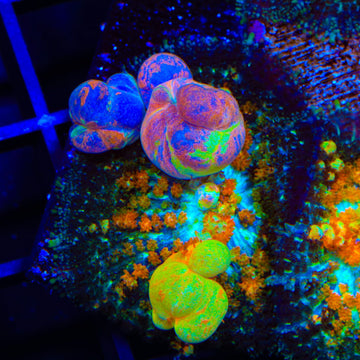
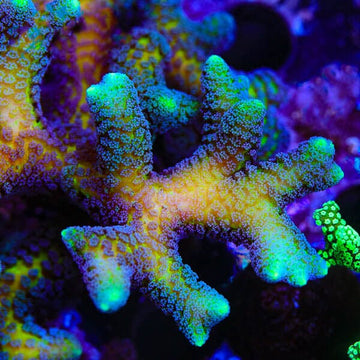
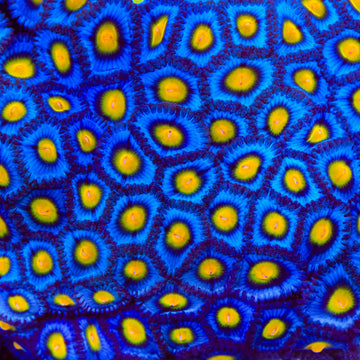
Scarlet Fever Zoanthids Coral shows bright red skirts and tight matting polyps with contrasting centers. Zoanthus sp., a soft colonial polyp coral, does well under moderate to high light and moderate, steady water flow. It is primarily photosynthetic via symbiotic algae but benefits from occasional small meaty or coral foods, which can improve growth and color. Place on a separate rock to control spread and allow space from aggressive stinging corals.
Quick Facts
Care
Easy
Lighting
Low–Moderate
Flow
Moderate
Placement
Low–Mid
Temperament
Peaceful to semi-aggressive (2–3 inches spacing)
Recommended Parameters
Temp
76–82°F
pH
8.1–8.4
Salinity
1.025–1.026
Calcium
380–430 ppm
AlkAlkalinity
8–10 dKH
Magnesium
1250–1350 ppm
Feeding
photosynthetic (primary), rotifers, copepod nauplii, cyclops, phytoplankton, powdered coral foods, marine snow
Care & Placement
FAQ
Frequently Asked Questions
About the Scarlet Fever Zoanthids Coral
-
Why do my Scarlet Fever Zoanthids lose their vivid red under strong lighting?
Red pigments can mute under intense white channels or very high PAR. Aim for moderate PAR and a blue-heavy spectrum (420–470 nm) to keep reds saturated. Gradually acclimate to changes. If colors dull, reduce whites, increase blues, and ensure stable nutrients (nitrate 5–15 ppm, phosphate 0.03–0.1) to avoid paling from ultra-low nutrients. -
My colony “melts” after looking fine for weeks—what’s the likely cause and fix?
Sudden swings (alkalinity, salinity, temperature) or bacterial stress often start a slow melt. Increase gentle, cross-flow to keep detritus off the mat, stabilize parameters, and perform an antiseptic dip (iodine-based). For persistent lesions or “pox-like” spots, a short Furan-2 bath can help. Avoid heavy feeding during recovery and run fresh carbon for chemical clarity. -
How can I safely propagate Scarlet Fever Zoanthids without damaging polyps?
Cut the mat between polyps rather than through mouths. Use sharp scalpels, eye/hand protection, and rinse frags in saltwater after cutting. Glue the mat edge, not the polyp skirt, to a clean plug or rubble. Provide moderate, indirect flow for 3–5 days post-cut to prevent slime buildup, and keep light slightly reduced during initial healing. -
What pests uniquely trouble this morph, and how do I target them?
Zoa-eating nudibranchs, sundial snails, and small “zoa spiders” are prime threats. Inspect at night with a flashlight; remove adults manually and egg spirals with tweezers. Follow with a series of dips (e.g., iodine or peroxide at reef-safe dilutions) over several days to catch hatchlings. A vigilant wrasse (e.g., melanurus) helps control re-infestations.