
Reef Tank Pest Identification Guide: Hitchhikers, Algae & Removal
Identify reef tank pests and hitchhikers fast. Browse our pest ID guide to spot what's in your aquarium, gauge the risk level, and learn proven removal and control methods before it spreads.

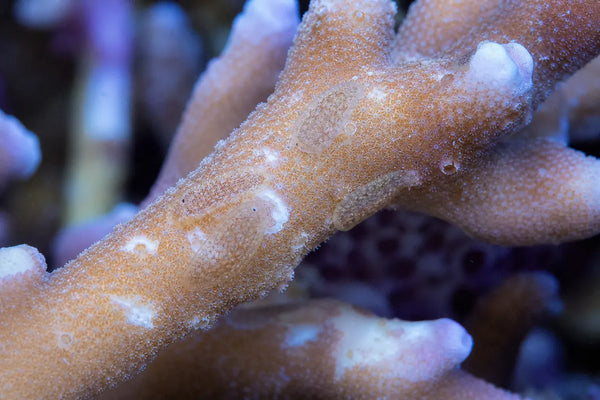
Acropora Eating Flatworms (AEFW)
Amakusaplana/Prosthiostomidae
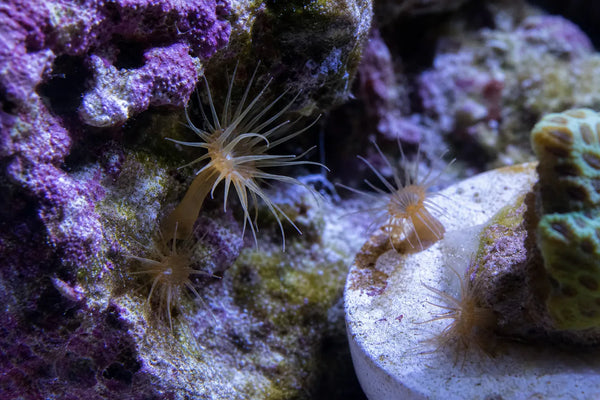
Aiptasia
Aiptasia pallida
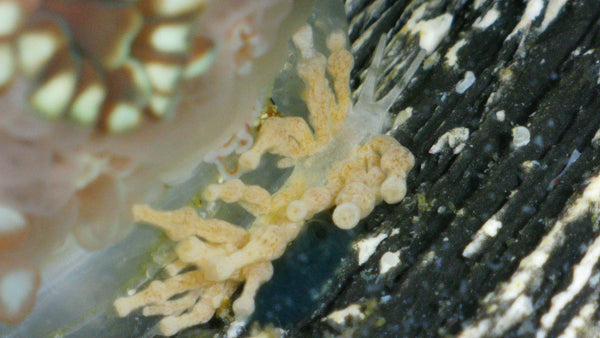
Alveopora Nudibranch
Tenellia sp.

Amphibidnium dinos
Amphidinium carterae
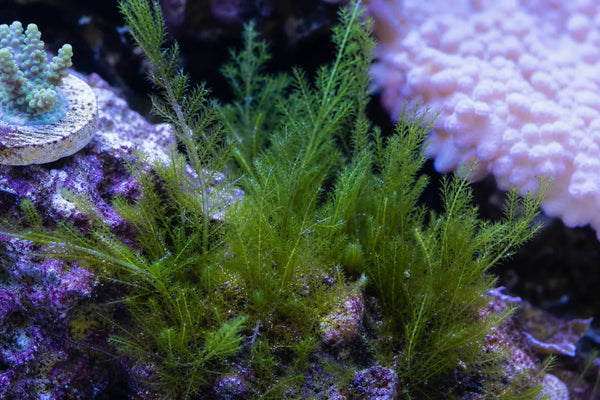
Bryopsis
Bryopsis pennata
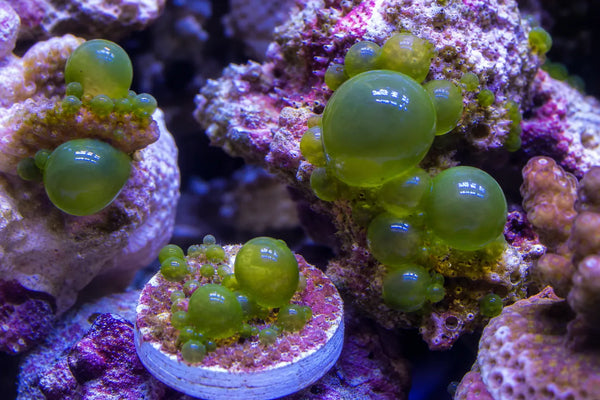
Bubble Algae
Ventricaria ventricosa
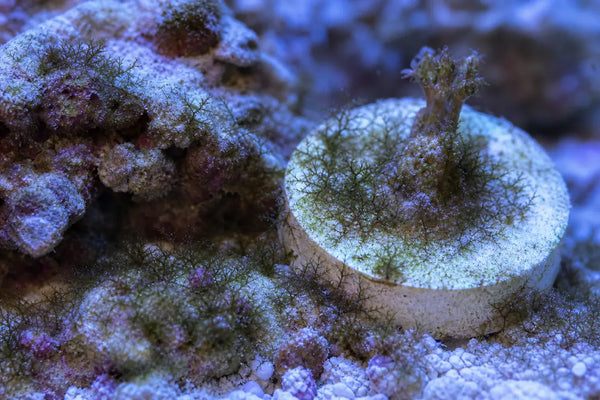
Calothrix algea
Calothrix sp.
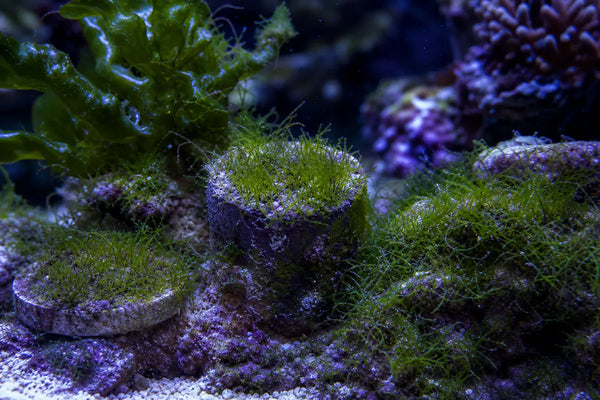
Cladophora algea
Cladophora glomerata
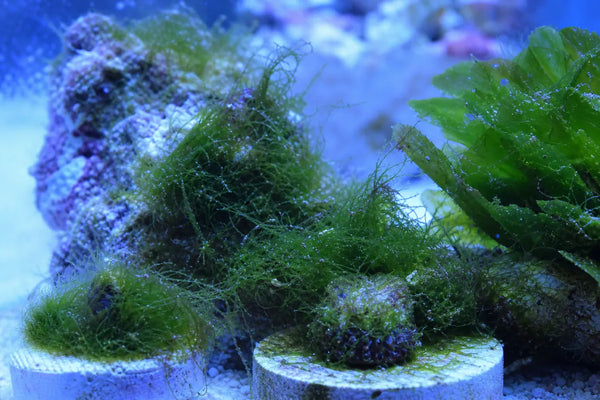
Cladophoropsis algea
Cladophoropsis sp.
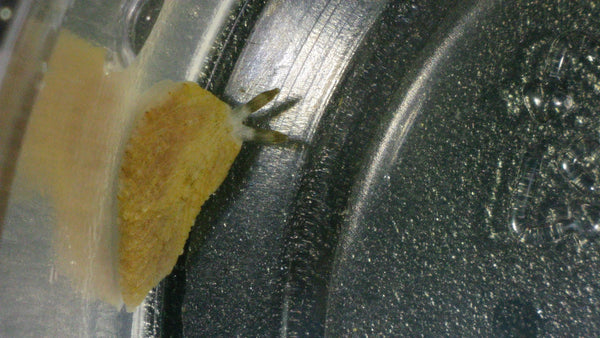
Clove Polyp Eating Sea Slug
Dermatobranchus sp.
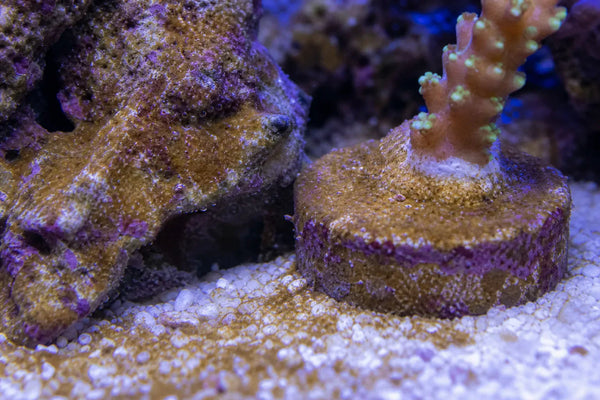
Coolia dinos
Coolia monotis
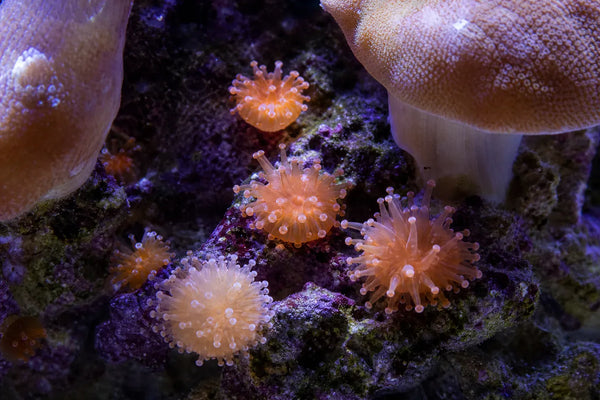
Corynactis/psuedocorynactis anemones
Corynactis californica
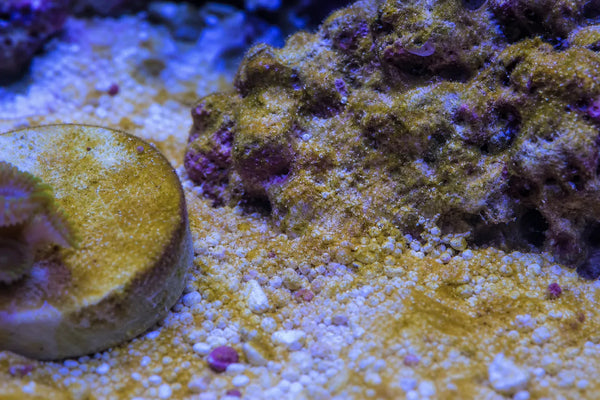
Crysophytes algea
Chrysophyceae sp.
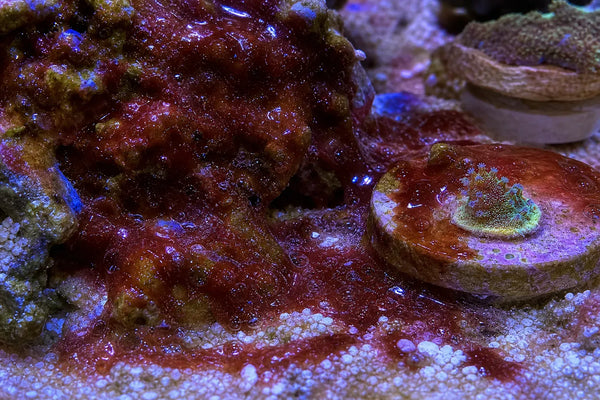
Cyanobacteria
Oscillatoria sp.
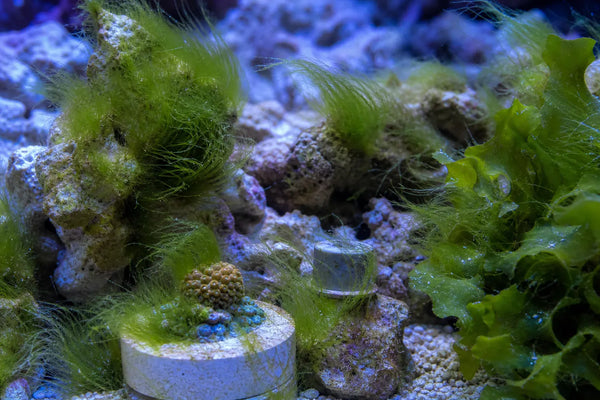
Debersia
Derbesia marina
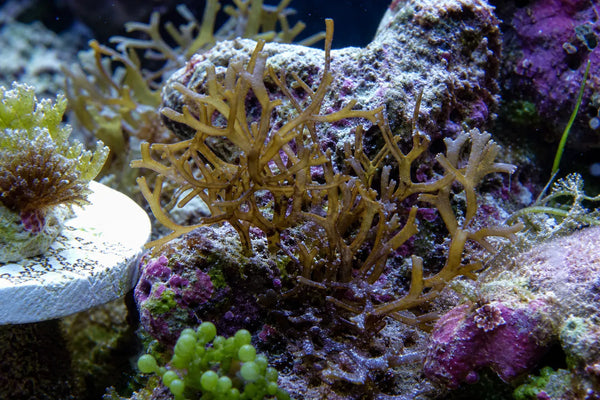
Dictyota algea
Dictyota dichotoma
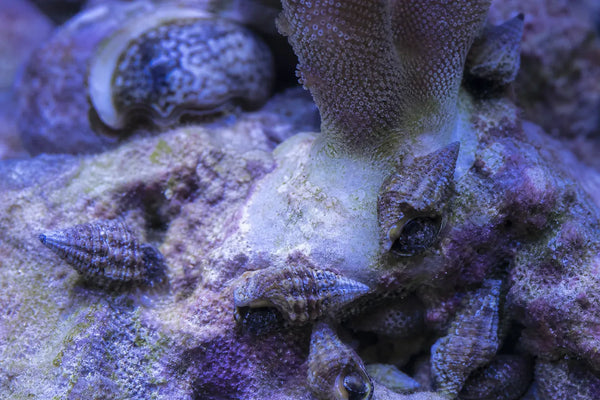
Drupella sp/ coral eating whelks
Drupella cornus
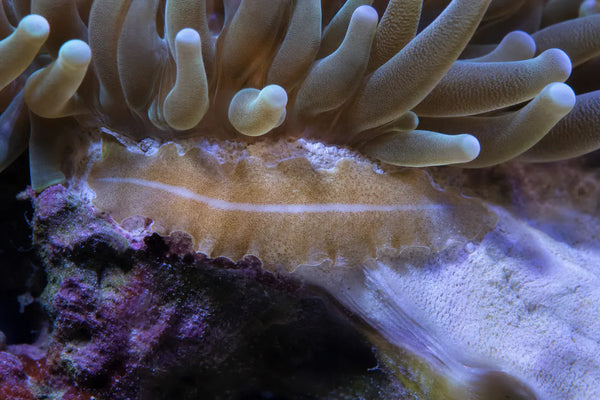
Euphyllia & Frimbiaphyllia Polyclad FW
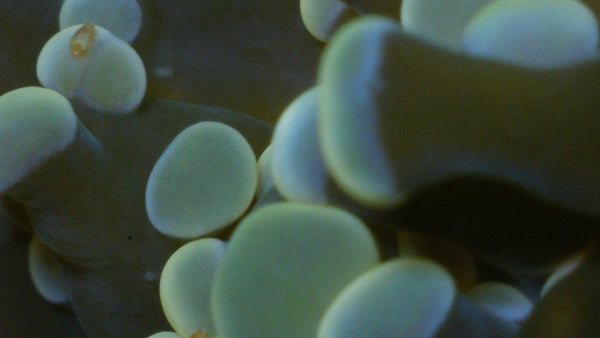
Euphyllia/frimbiphyllia bugs
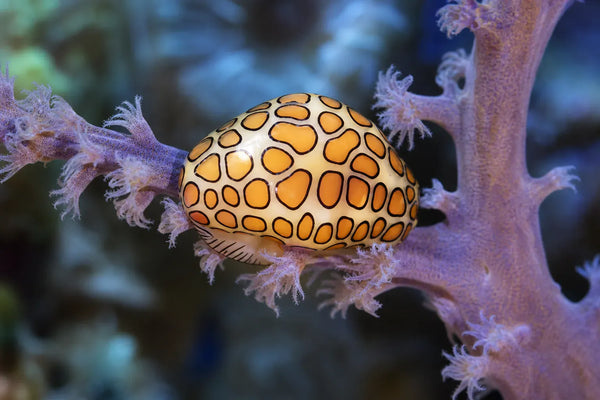
Flamingo tongue snail
Cyphoma gibbosum
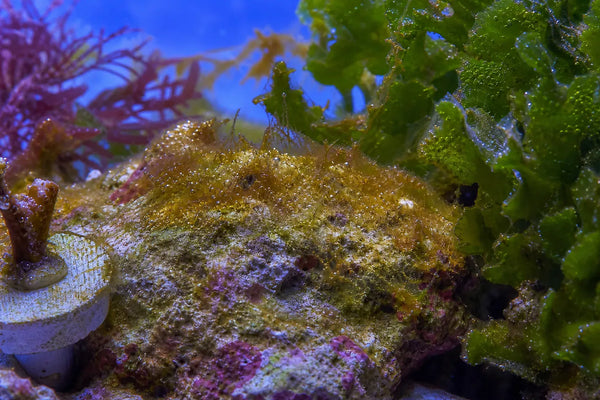
Gambierdiscus dinos
Gambierdiscus toxicus
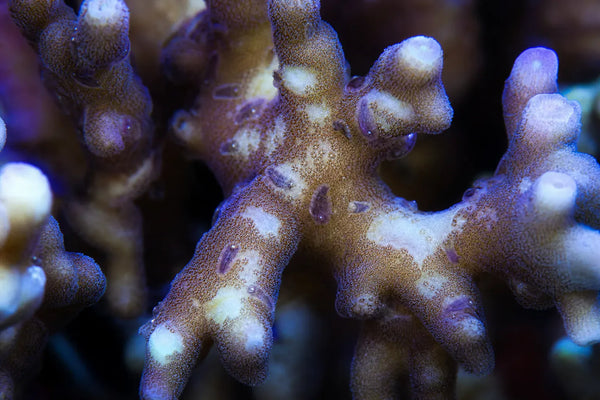
Grimace (AEFW)
Tricladia/Proseriata
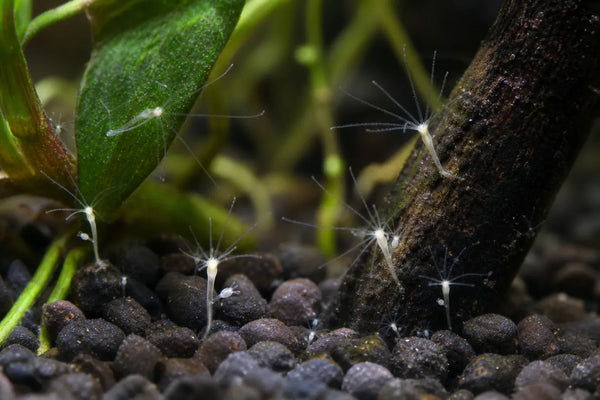
Hydras
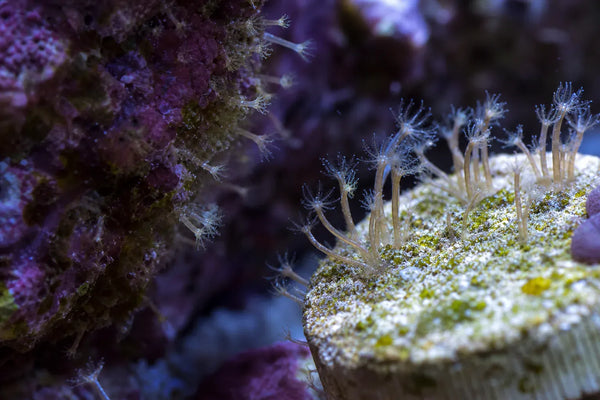
Hydroids colonial and digitate
Hydrozoa sp.
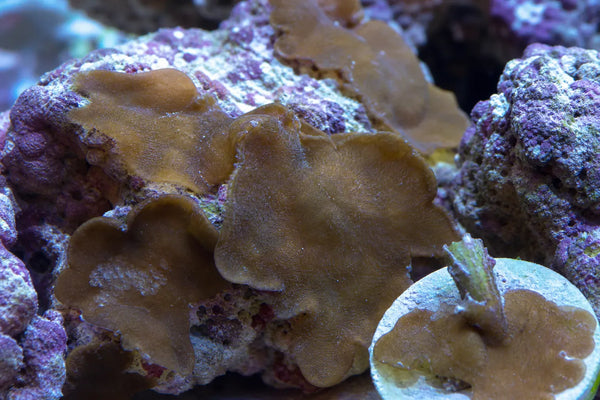
Lobophora algea
Lobophora variegata
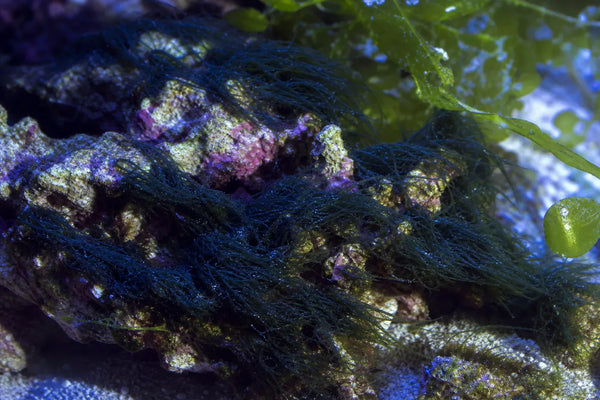
Lyngbya filamentous cyano algea
Lyngbya majuscula
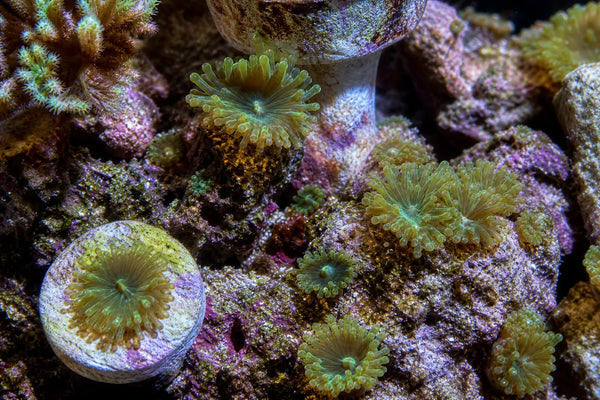
Majano anemones
Anemonia cf. manjano
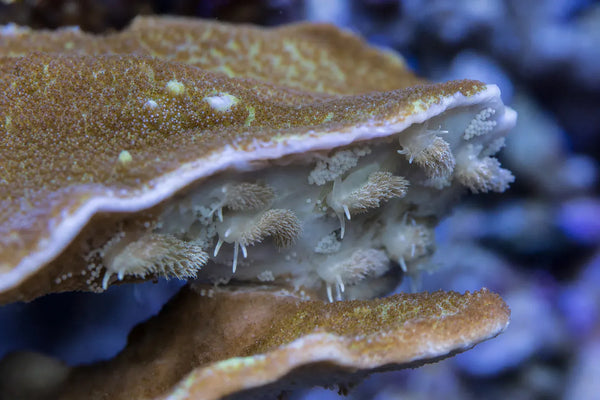
Montipora Eating Nudibranch
Phestilla subodiosus
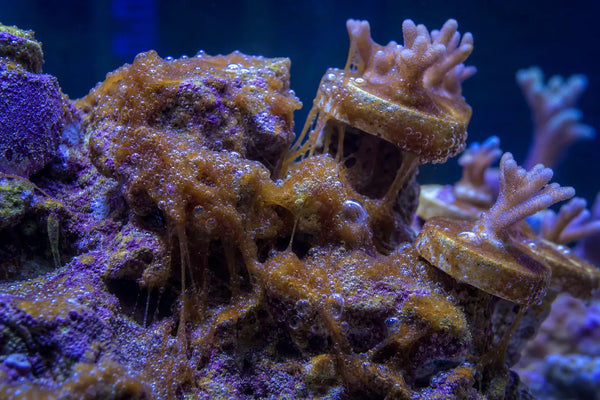
Osteropsis dinos
Ostreopsis ovata
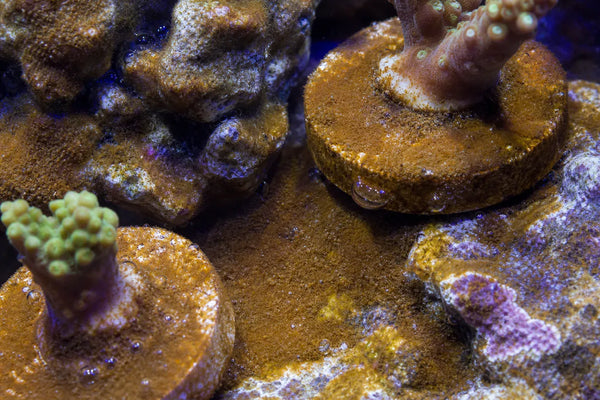
Prorocentrum dinos
Prorocentrum lima
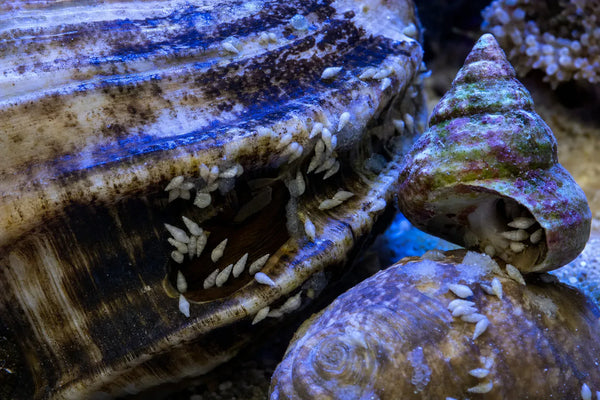
Pyramid / Rice snails
Pyramidellidae
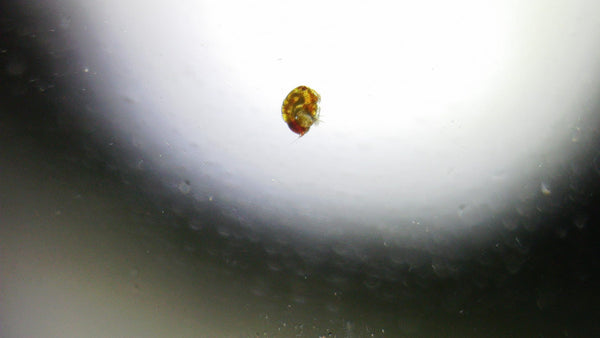
Red Bugs
Tegastes acroporanus
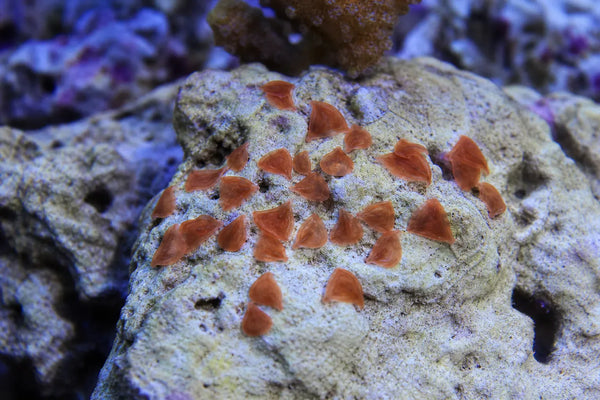
Red Planaria Flatworm
Acoela
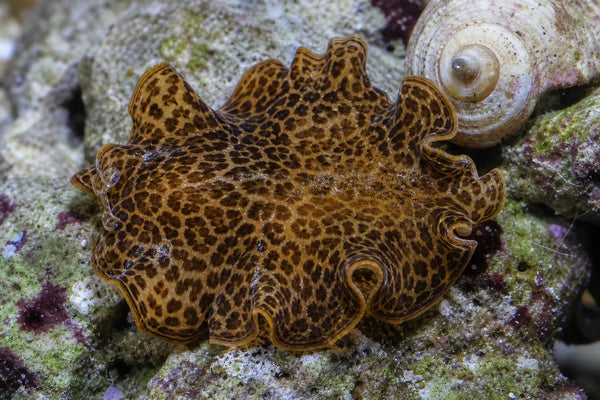
Reticulated Leopard Polyclad Flatworm
Phrikoceros sp.
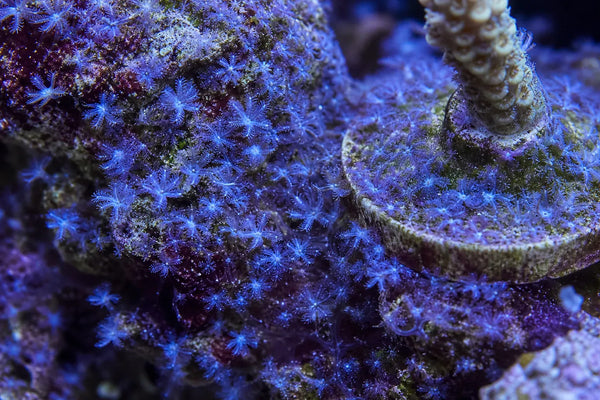
Sacrothelia (blue cloves)
Sarcothelia sp.
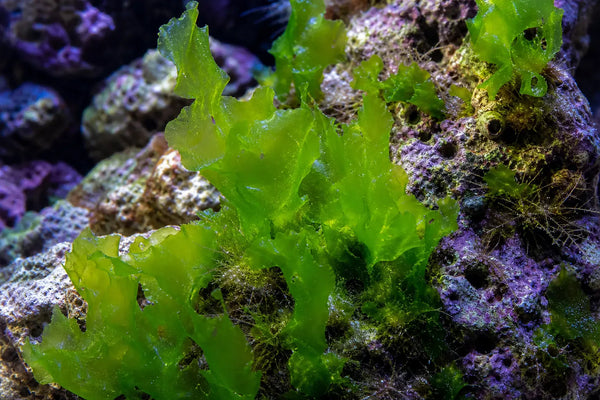
Ulva algea
Ulva lactuca
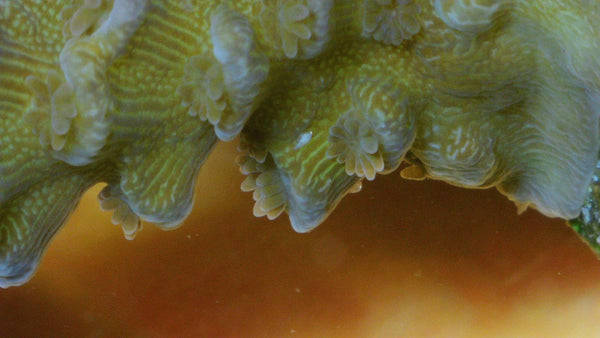
White Bugs
Harpacticoida sp.
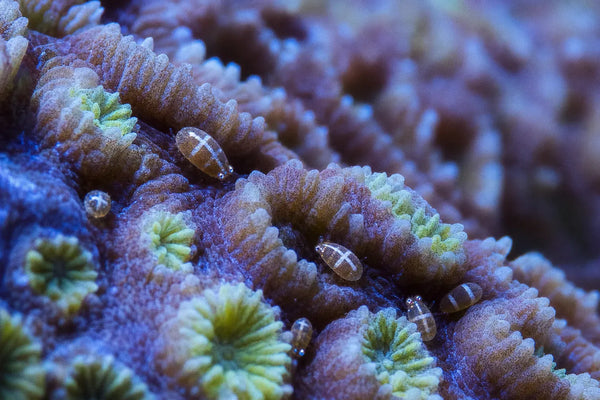
White Cross/ Banded Bugs
Harpacticoida sp.
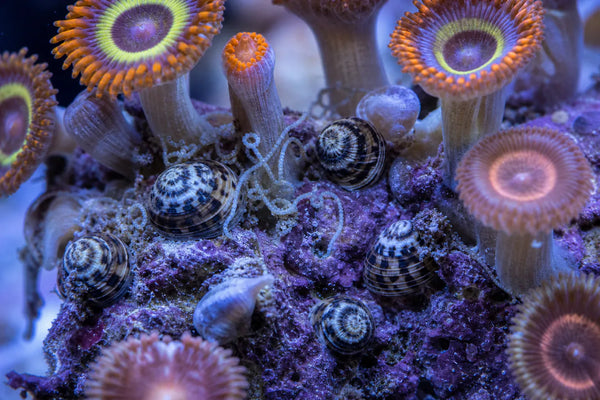
Zoa Eating Sundial Snails
Architectonicidae
Identify a reef tank pest before choosing a treatment
Reef aquariums support a wide range of hitchhikers, algae, worms, cnidarians, mollusks, and crustaceans. Some are harmful, some are useful members of the clean-up community, and others become a problem only when conditions allow them to multiply. This pest identification guide helps compare visible traits, risk level, spread, likely locations, and removal options before you act.
A rushed identification can create a second problem. Broad chemical treatments may affect corals and desirable invertebrates, while removing a harmless organism can disrupt a useful part of the system. Start with a clear photograph under white light, record whether the organism moves, retracts, forms a mat, releases bubbles, or appears mainly at night, and note which surface or animal it occupies.
Separate nuisance growth from dangerous hitchhikers
Risk depends on behavior and location, not appearance alone. A fast-growing alga can shade coral without directly attacking tissue. A stinging anemone can damage neighbors as it spreads. A predatory worm or snail may leave feeding damage that is easier to recognize than the animal itself. Open the individual profiles to compare these clues rather than relying on color or a single photo.
Also check the aquarium conditions that may be supporting the outbreak. Nutrient availability, detritus accumulation, unstable chemistry, excess light, low flow, overfeeding, and the absence of appropriate grazers can all influence nuisance growth. Correcting the underlying condition often makes direct removal more successful and reduces recurrence.
Use the least disruptive effective response
When practical, begin with targeted physical removal and containment. Remove affected plugs or rocks when that can be done safely, siphon loosened material, and avoid spreading fragments or reproductive tissue through the display. Species-specific biological controls can help in some cases, but they are living animals with their own long-term care needs and should not be treated as disposable tools.
Chemical options require precise identification, dosing, and observation. Read product directions, account for actual system volume, protect oxygenation, and understand possible effects on corals, bacteria, and invertebrates. Do not combine treatments casually. For Aiptasia-specific options, see the guide to using Berghia nudibranchs for Aiptasia control.
Prevent pests from reaching the display
Inspect new coral, rock, macroalgae, equipment, and livestock before introduction. A separate observation area makes it easier to find eggs, feeding damage, or nocturnal hitchhikers. Coral dips can remove some mobile organisms but do not replace inspection, and they may not affect eggs. Remove questionable material, use clean tools between systems, and continue observing after the first treatment.
Document what changes over time
Take photographs from the same angle and lighting every few days, and record where the organism appears. A true reduction after manual removal provides different information from a daily cycle in which the growth fades at night and returns under the lights. Notes on nutrient tests, feeding, maintenance, and treatment dates help separate coincidence from a repeatable result.
Protect desirable livestock during removal
Before moving rock or applying a spot treatment, check for attached coral tissue, sponges, tube worms, eggs, and hidden mobile invertebrates. Turn off flow only for the time required by the chosen method, then restore circulation and filtration safely. Siphon loosened material when possible, use dedicated tools, and wash hands after aquarium work because some reef organisms and treatments can irritate skin or eyes.
A successful response is measured by the health of the whole aquarium, not only by whether the visible pest disappears immediately. Continue to watch coral extension, animal behavior, oxygenation, and water chemistry, and stop if the treatment causes broader stress. Persistent or unexplained livestock loss deserves expert diagnosis rather than repeated broad treatments.
Browse the pest profiles below to compare likely matches and open the full removal guidance. If the organism appears to be a normal clean-up-crew animal rather than a pest, use the saltwater invertebrate glossary for a broader identification reference. When the identification remains uncertain, avoid irreversible treatment until additional behavior or a clearer image supports the diagnosis.
Browse every profile 1–39 of 39
- Acropora Eating Flatworms (AEFW)
- Aiptasia
- Alveopora Nudibranch
- Amphibidnium dinos
- Bryopsis
- Bubble Algae
- Calothrix algea
- Cladophora algea
- Cladophoropsis algea
- Clove Polyp Eating Sea Slug
- Coolia dinos
- Corynactis/psuedocorynactis anemones
- Crysophytes algea
- Cyanobacteria
- Debersia
- Dictyota algea
- Drupella sp/ coral eating whelks
- Euphyllia & Frimbiaphyllia Polyclad FW
- Euphyllia/frimbiphyllia bugs
- Flamingo tongue snail
- Gambierdiscus dinos
- Grimace (AEFW)
- Hydras
- Hydroids colonial and digitate
- Lobophora algea
- Lyngbya filamentous cyano algea
- Majano anemones
- Montipora Eating Nudibranch
- Osteropsis dinos
- Prorocentrum dinos
- Pyramid / Rice snails
- Red Bugs
- Red Planaria Flatworm
- Reticulated Leopard Polyclad Flatworm
- Sacrothelia (blue cloves)
- Ulva algea
- White Bugs
- White Cross/ Banded Bugs
- Zoa Eating Sundial Snails