TSA Blowtorch Torch Coral

TSA Blowtorch Torch Coral

Euphyllia Torch LPS

Overview

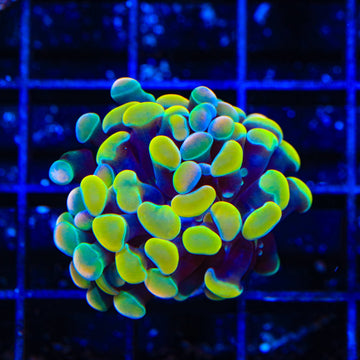
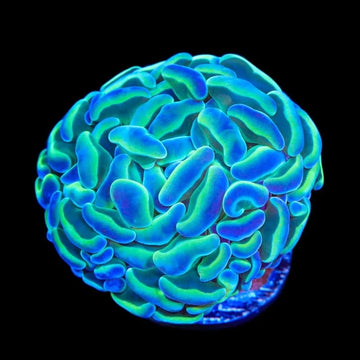
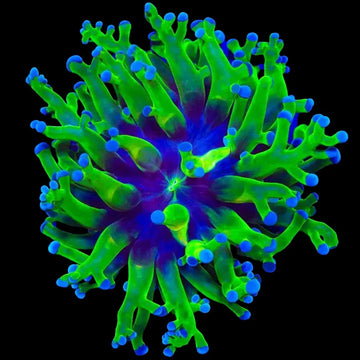
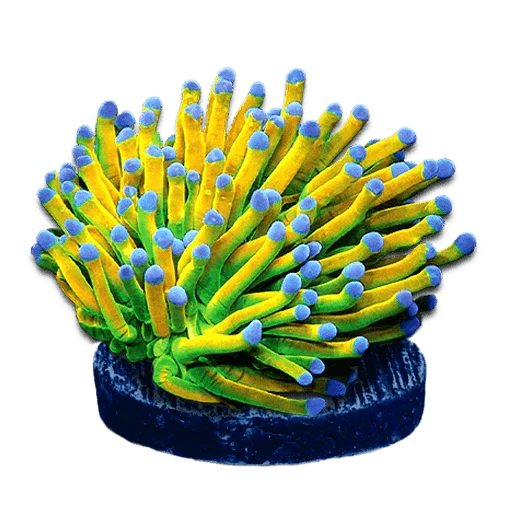
Torch Coral has long, flowing tentacles with distinctive tips. Fimbriaphyllia glabrescens is a branching large-polyp stony coral; it prefers moderate lighting and moderate, indirect water flow. It relies on symbiotic algae for most nutrition but benefits from occasional small meaty feedings, which can support growth and maintain color. Place it with ample space from neighbors due to long sweeper tentacles, and avoid strong, direct flow that can damage tissue.

Quick Facts

Care Moderate
Lighting Moderate
Flow Moderate, indirect
Placement Mid–Low
Temperament Aggressive (6–10 inches spacing due to long sweeper tentacles)

Recommended Parameters

Temp 78–80°F
pH 8.1–8.4
Salinity 1.025–1.026
Calcium 400–450 ppm
AlkAlkalinity 8–10 dKH
Magnesium 1280–1350 ppm
Feeding photosynthetic, mysis shrimp, enriched brine shrimp, finely chopped marine shrimp or fish, small krill pieces, zooplankton, microplankton, coral-specific powdered foods

Care & Placement

Torch Coral (Fimbriaphyllia glabrescens) thrives under stable, reef-like conditions with moderate light and moderate, indirect flow. Target 100–200 PAR; start lower and increase over 1–2 weeks to prevent bleaching. Provide a random, swaying flow that moves tentacles without blasting tissue; this helps keep detritus off and reduces infection risk. Feed 1–2 times weekly with small meaty foods (mysis, chopped krill) or fine coral foods; avoid overfeeding to keep nutrients in check. Maintain temperature 24–26°C (75–78°F), pH 8.1–8.4, salinity 1.025–1.026, calcium 400–450 ppm, alkalinity 8.0–9.5 dKH, magnesium 1280–1400 ppm, nitrate 2–15 ppm, phosphate 0.03–0.10 ppm. Use reliable test kits, an auto top-off for salinity stability, and dose calcium/alkalinity as consumption rises. Torches are sensitive to rapid swings, especially alkalinity.Place mid to lower in the tank on a secure rock with room for sway. Give 6–12 inches of clearance from neighbors; sweepers can reach far and sting even other Euphyllia. Avoid nipping fish (many angels, butterflies) and rough inverts. Acclimate by drip and light-shade; dip before introduction. Handle by the skeleton only. Signs of stress include retracted polyps, pale tissue, or brown jelly disease; respond with improved flow, stable parameters, reduced light, and an iodine-based dip if infection appears, removing affected heads if needed. If tissue recedes at the base, check for low nutrients or unstable alkalinity. Keep sand from blasting the flesh, and ensure the skeleton isn’t rubbing against rock.

FAQ

Frequently Asked Questions

About the TSA Blowtorch Torch Coral

  • My Torch Coral’s tentacles look thin and whip-like—flow or lighting issue?
    Torches prefer moderate to strong, indirect, alternating flow. Laminar jets can stretch tentacles thin, cause tissue irritation, and expose skeleton; too little flow traps detritus and invites bacterial issues. Aim for a pulsing pattern across the colony, not directly at it. Provide PAR around 150–250 with acclimation; sudden light jumps can cause tip burn or retraction.
  • Why did my “gold” Torch fade or brown despite stable parameters?
    Color shifts often track spectrum, PAR, and nutrients. Golds tend to wash out under very high PAR or overly blue-heavy light without balanced white. Keep PAR 150–250, nitrate 5–15 ppm, phosphate 0.03–0.1 ppm, and avoid ULNS starvation. Trace elements (iodine, manganese) via regular water changes help pigment expression; abrupt changes trigger paling or browning.
  • How far can Torch sweepers reach, and how should I position it?
    Night sweepers regularly extend 6–10 inches and can sting most LPS, zoas, and even some SPS. Place the coral “downstream” so flow carries tentacles away from prized neighbors. Provide at least 8–12 inches of clearance in the direction of flow. Running carbon and maintaining good skimming helps mitigate allelopathic stress in mixed reefs.
  • What’s the fastest way to respond to brown jelly on a Torch head?
    Immediately siphon the jelly, remove the colony, and frag off any unaffected heads well into clean skeleton. Dip the healthy pieces in iodine (or low-dose peroxide) and increase random flow. Stabilize temperature, salinity, and alkalinity to reduce stress; consider a UV sterilizer to curb planktonic bacteria. Discard infected tissue; don’t return it to the tank.