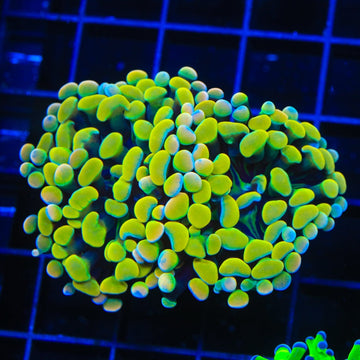
Sweet Treat Hammer Coral
Overview
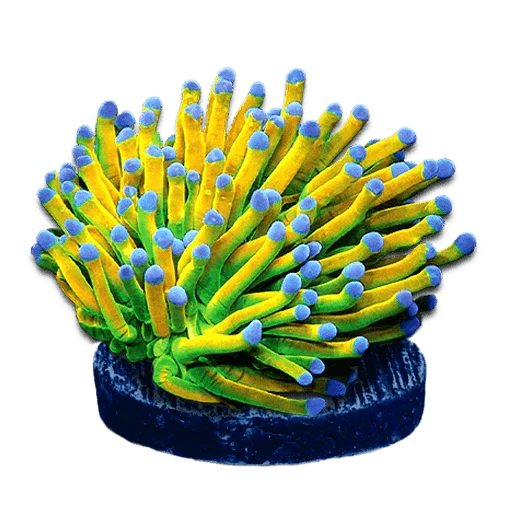
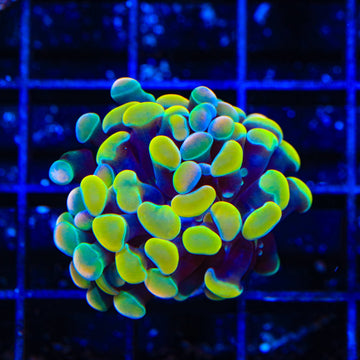
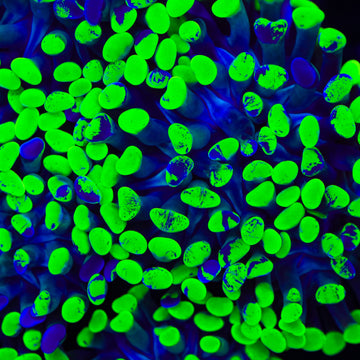
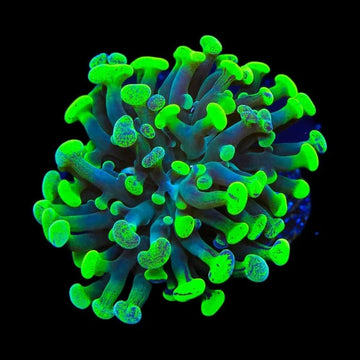
Sweet Treat Hammer Coral shows chunky hammer-shaped tentacle tips in branching heads. Fimbriaphyllia paraancora is a large-polyp stony coral with a branching structure; it prefers moderate light and gentle to moderate, indirect flow. It relies on symbiotic algae for most nutrition but accepts small meaty foods, which can boost growth and polyp inflation and help maintain color. Place with ample space for long sweeper tentacles and avoid contact with other corals to prevent stings.
Quick Facts
Care
Moderate
Lighting
Moderate
Flow
Moderate, indirect
Placement
Mid–Low
Temperament
Semi-aggressive (6–8 inches spacing for sweeper tentacles)
Recommended Parameters
Temp
76–80°F
pH
8.1–8.4
Salinity
1.025–1.026
Calcium
400–450 ppm
AlkAlkalinity
8–10 dKH
Magnesium
1280–1350 ppm
Feeding
photosynthetic (primary), mysis shrimp, enriched brine shrimp, finely chopped seafood (shrimp, clam), copepods, zooplankton, microplankton, coral-specific powdered foods, marine snow
Care & Placement
FAQ
Frequently Asked Questions
About the Sweet Treat Hammer Coral
-
My Sweet Treat Hammer’s tips are fading under LEDs. How can I keep the bi-color look vivid?
Aim for moderate PAR (80–150) with strong blue spectrum, but acclimate slowly using reduced intensity or shorter photoperiod over 2–3 weeks. Keep nutrients non-zero (nitrate ~5–15 ppm, phosphate 0.03–0.1 ppm); ultra-low levels mute color. Avoid blasting flow at the polyp; gentle, randomized movement helps tentacles fully extend, which supports pigmentation. Stability in alkalinity and temperature prevents tip paling. -
Is Fimbriaphyllia paraancora safe to frag, and what’s the best method?
Yes—this species is branching. Cut only the bare skeleton between heads using a band saw or bone cutters; keep 1–2 cm from any flesh. Rinse in tank water, then dip (iodine-based or coral-safe antiseptic). Mount frags so the branch is supported to avoid wobble. Moderate flow prevents slime buildup, and a small meaty feed after a day or two can speed recovery. -
How far can its sweepers reach, and which neighbors should I avoid?
Sweepers often extend 7–15 cm at night, occasionally longer on robust colonies. Keep ample space and avoid close proximity to torches (F. glabrescens), which frequently win standoffs. Frogspawn and other hammers may still sting or carry allelopathic effects, so don’t intermix heads. Use flow that prevents tentacle contact with rocks or other corals but doesn’t whip the tissue. -
I’m seeing rapid tissue loss with brown slime on one head—what’s the plan?
Likely brown jelly. Immediately siphon the slime, remove the colony, and frag off affected heads well into healthy skeleton. Dip remaining pieces (iodine/chlorhexidine-based coral dip) and increase indirect flow to the base to deter stagnation. Maintain clean, stable parameters and moderate light during recovery. Disinfect tools, run fresh carbon, and watch nearby LPS for secondary signs.