
Best overall
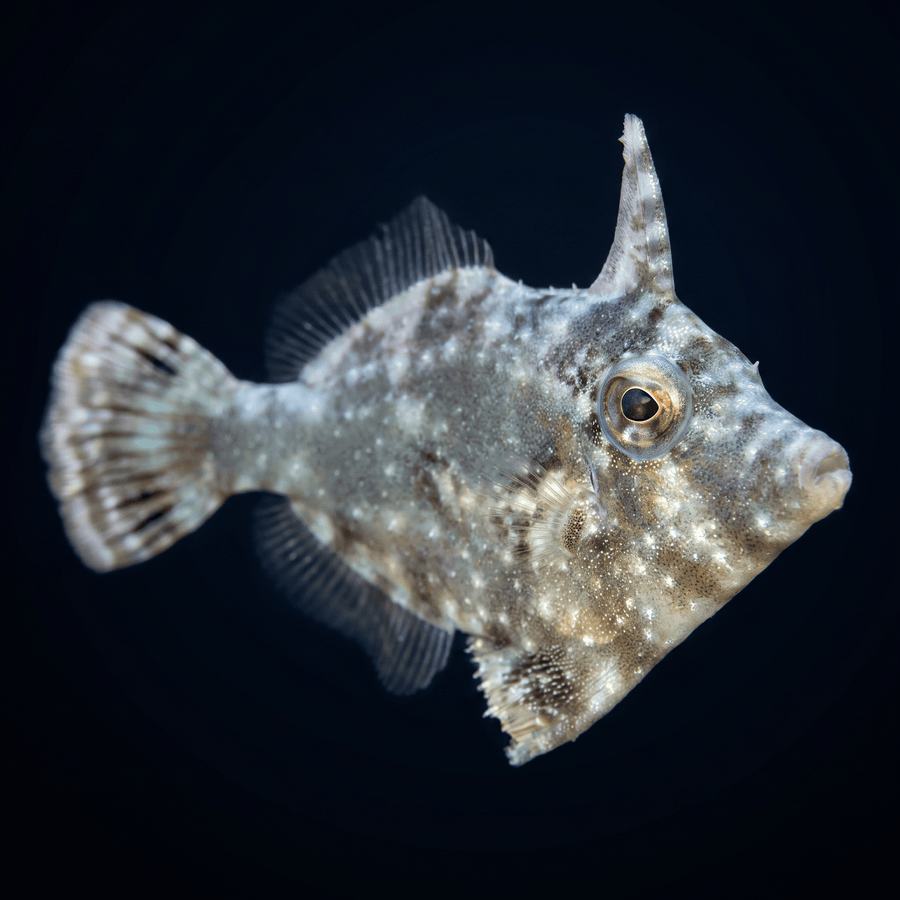
Shop saltwater algae eating fish and utility fish selected to perform useful roles in established marine aquariums. Compare tangs, foxfaces, grazing blennies, sand-sifting gobies, cleaner fish, and Aiptasia-eating filefish, then match each species to your tank size, reef-safety needs, and natural food supply.
These fish support a balanced maintenance plan; they do not replace stable water quality, appropriate feeding, or hands-on aquarium care. For invertebrate grazers, see algae eaters and the saltwater clean up crew, or browse the complete saltwater fish collection.
 WYSIWYG Fish5 fish
 Beginner Saltwater Fish69 fish
 Nano Fish41 fish
 Tangs48 fish
 Clownfish31 fish
 Wrasses72 fish
 Gobies19 fish
 Blennies10 fish
 Captive-Bred Saltwater Fish20 fish
 Non-Reef-Safe & FOWLR Fish67 fish
 Angelfish69 fish
 Butterflyfish15 fish
 Basslets8 fish

Flame Fin Tomini Bristletooth Tang
Ctenochaetus tominiensis

Gem Tang
Zebrasoma gemmatum

Gold Rim Tang
Acanthurus nigricans

Powder Blue Tang
Acanthurus leucosternon

Bluestreak Cleaner Wrasse
Labroides dimidiatus

Vlamingii Tang
Naso vlamingii

Purple Tang
WYSIWYG Fish
Zebrasoma xanthurum

Blue Hippo Tang
Paracanthurus hepatus

Sailfin Tang
Zebrasoma velifer

Two Barred Rabbitfish
Siganus virgatus

Bicolor Fiji Foxface
Siganus uspi

Aiptasia Eating Filefish
Acreichthys tomentosus

Scopas Tang
Zebrasoma scopas

White Tail Bristletooth Tang
Ctenochaetus flavicauda

Blonde Naso Tang
Naso elegans

Ocean Surgeonfish - Atlantic
Acanthurus bahianus

Chocolate (Yellow Mimic) Tang
Acanthurus pyroferus

Purple Tang
Zebrasoma xanthurum

Powder Brown Tang
Acanthurus japonicus

Clown Tang
Acanthurus lineatus

Atlantic Blue Tang
Acanthurus coeruleus

Orange Shoulder Tang
Acanthurus olivaceus

Magnificent Foxface
Siganus magnificus

Foxface Lo
Siganus vulpinus
Top picks
Compare the strongest options in this collection at a glance.

Answers
Dive deeper