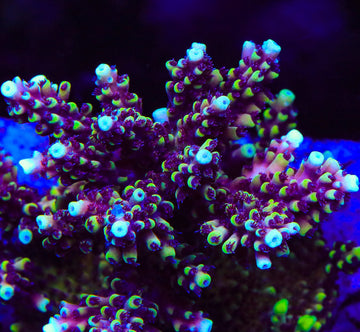
TSA Black Rose Acropora Coral

TSA Black Rose Acropora Coral

Acropora SPS

Overview

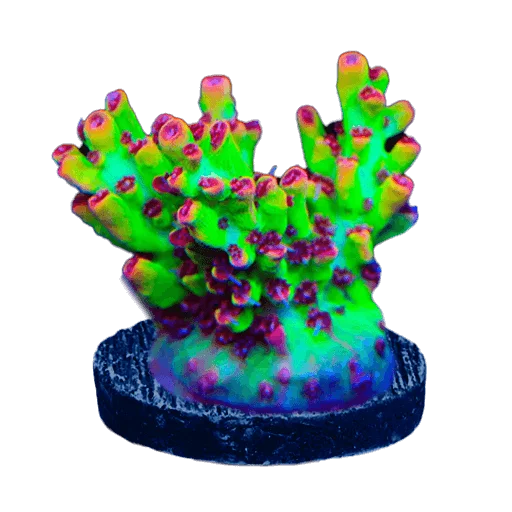
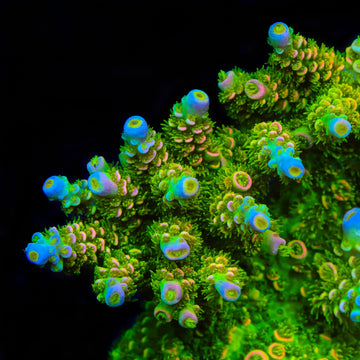
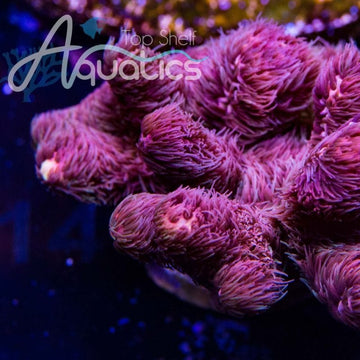
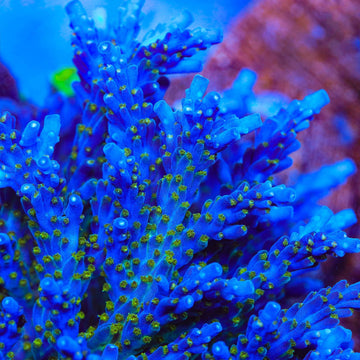
Black Rose Acropora Coral shows dark burgundy to purple branches with tightly spaced axial tips. Listed as Acropora sp. Coral, it is a small-polyp stony branching coral that prefers strong light and high, turbulent flow. It relies on symbiotic algae for most nutrition but can take fine particulate foods or amino supplements, which may support growth and coloration. Place high on stable rockwork with ample space from aggressive neighbors, and maintain very stable water parameters.

Quick Facts

Care Difficult
Lighting High
Flow High
Placement High
Temperament Peaceful (2–3 inches spacing)

Recommended Parameters

Temp 78–80°F
pH 8.1–8.4
Salinity 1.025–1.026
Calcium 420–450 ppm
AlkAlkalinity 7.5–9 dKH
Magnesium 1280–1350 ppm
Feeding photosynthetic (primary), microplankton, rotifers, copepod nauplii, coral-specific powdered foods, oyster eggs, amino acid supplements

Care & Placement

Black Rose Acropora Coral (Acropora sp.) thrives under bright, stable conditions with strong, chaotic flow. Aim for 250–400 PAR using quality LEDs or T5/metal halide, and provide vigorous, alternating water movement to keep polyps clean and prevent detritus at the base. Place frags high to upper‑mid in the rockwork, on stable mounts, with 2–3 inches or more from neighbors; avoid contact with aggressive LPS sweepers. Expect branching growth that can shade nearby corals. Feed sparingly 1–2 times weekly with fine particulate foods (reef roids, rotifers) or amino acids; broadcast at night with pumps briefly paused, then restore flow. Maintain tight, consistent parameters: temp 24–26°C (75–79°F), salinity 1.025–1.026, pH 8.1–8.4, alkalinity 8.0–9.5 dKH, calcium 420–460 ppm, magnesium 1300–1400 ppm, nitrate 2–10 ppm, phosphate 0.02–0.08 ppm. Test regularly with reliable kits; log results and adjust slowly.Acclimate with a 30–45 minute drip and light acclimation (lower placement, reduced intensity, or screen for 1–2 weeks). Dip and, if possible, quarantine to avoid pests like AEFW and red bugs. Use epoxy/gel to secure; handle by the plug or skeleton, not tissue. Signs of stress: paling/bleaching (too much light or rapid changes), tissue recession at the base (low flow, detritus, or unstable alkalinity), and burnt tips (alk swings). Improve flow around the base, stabilize dosing, and confirm nutrients aren’t bottoming out. Stability beats speed; make small, measured changes.

FAQ

Frequently Asked Questions

About the TSA Black Rose Acropora Coral

  • What growth pattern does the Black Rose Acropora show, and how should I place it to avoid shading and heat stress?
    This morph often forms tight, upright branches that self-shade. Start mid-level under 200–250 PAR and ramp to 300–350 once encrusted. Provide strong, chaotic flow to clear mucus and cool tissues—dark pigments can absorb heat under intense light. Angle the colony so lower tiers get crossflow, and leave space for outward branching to reduce shadowed tissue and basal die-off.
  • Why is my Black Rose Acropora turning brown or losing the deep rose/black tone?
    Common causes are spectrum and nutrient imbalance. Keep NO3 around 5–15 ppm and PO4 0.03–0.08 ppm—don’t starve it. Favor blue-heavy spectrum (14–20K look). Maintain K at 380–420 ppm; low K washes out reds/pinks. Avoid excessive iron dosing; it can push brown zooxanthellae density. Stabilize alk at 8–9 dKH and avoid abrupt increases under high PAR, which can mute color or burn tips.
  • How do I troubleshoot slow tissue necrosis from the base on this coral?
    Check for low, stagnant flow and recent parameter swings—especially alk and temperature. Improve turbulence around the base and verify alk drift hasn’t occurred. Inspect for AEFW bite marks and red bugs; treat if found. If necrosis advances, cut healthy tips 5–10 mm above the line, dip in iodine or coral antiseptic, remount on clean plugs, and reduce PAR 15–20% for a week while maintaining strong flow.
  • Are there feeding or trace strategies that actually help this morph without causing browning?
    Target-feed fine particulate foods or rotifers 1–2 times weekly after lights down, and dose aminos lightly (0.5–1× label) while monitoring PO4. Keep a balanced export schedule to prevent organics buildup. Maintain Ca 420–460 ppm, Mg 1300–1400 ppm. Potassium and a balanced trace mix support polyp extension and pigment stability; avoid single-element chasing. Consistency beats volume—small, regular inputs with stable nutrients preserve depth of color.