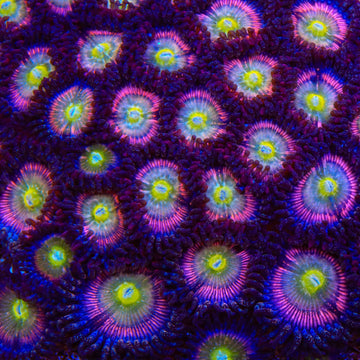
TSA Detonator Zoanthids Coral

TSA Detonator Zoanthids Coral

Zoanthids Beginner Corals Soft Coral

Overview

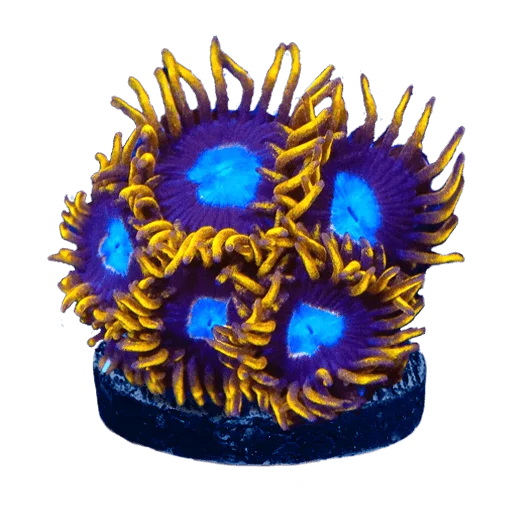
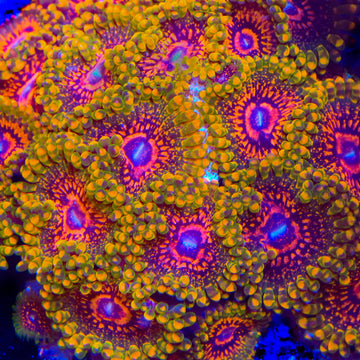
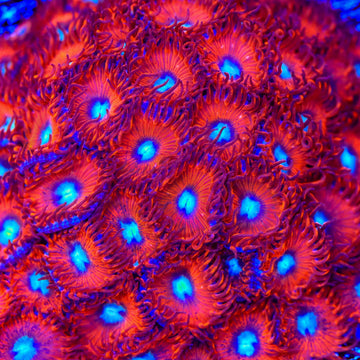
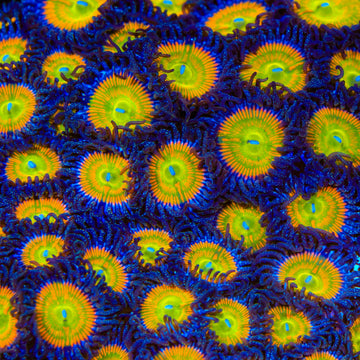
Detonator Zoanthids Coral shows tight clusters of small button polyps with brightly colored disks and contrasting mouths. Zoanthus sp. is a soft, colonial polyp coral that spreads by mat-like growth; it does well under moderate light and low to moderate, indirect flow. It is primarily photosynthetic via symbiotic algae, but occasional small particulate foods can boost growth and maintain color. Place on an isolated rock to control spread, and leave space from aggressive neighbors to avoid stings.

Quick Facts

Care Easy
Lighting Low–Moderate
Flow Moderate
Placement Low–Mid
Temperament Semi-aggressive (2–4 inches spacing)

Recommended Parameters

Temp 76–80°F
pH 8.1–8.4
Salinity 1.025–1.026
Calcium 380–430 ppm
AlkAlkalinity 8–10 dKH
Magnesium 1250–1350 ppm
Feeding photosynthetic (primary), microplankton, zooplankton, rotifers, copepod nauplii, phytoplankton, finely powdered coral foods

Care & Placement

Detonator Zoanthids Coral (Zoanthus sp.) thrives with stable, clean water and moderate light and flow. Aim for light in the 80–150 PAR range; start lower and increase slowly to avoid bleaching. Provide moderate, indirect flow that keeps polyps gently moving and prevents detritus buildup; avoid blasting them directly. Feed 1–2x weekly with fine particulate foods (reef roids, powdered plankton) and occasional amino acids; target feed lightly to prevent nutrient spikes. Keep temperature 75–79°F (24–26°C), salinity 1.024–1.026, pH 8.0–8.4, alkalinity 8–9.5 dKH, calcium 400–450 ppm, magnesium 1250–1350 ppm, nitrate 2–10 ppm, and phosphate 0.03–0.10 ppm. Stability matters more than exact numbers; test weekly with reliable kits and verify salinity with a refractometer.Place colonies low to mid in the tank with room to spread; isolate on a small “island” rock if you want to control growth. Keep space from aggressive stony corals; zoas are generally peaceful but can shade neighbors over time. Acclimate by dripping 20–30 minutes, dip for pests (zoa-eating nudibranchs, sundial snails), and light-acclimate using a screen or reduced intensity over 1–2 weeks. Signs of stress include prolonged closed polyps, shrinking skirts, or paling; check for pests, salinity swings, and inadequate flow. Run fresh carbon after fragging or disturbances. Handle with gloves and eye protection, avoid aerosolizing water, and wash tools, as some zoanthids can contain harmful toxins.

FAQ

Frequently Asked Questions

About the TSA Detonator Zoanthids Coral

  • My Detonator Zoanthids are losing neon pop under whites. How can I keep their color intense without stalling growth?
    Run a blue-heavy spectrum (peaks near 420–460 nm) for most of the photoperiod, adding a short neutral/white window for growth. Keep nutrients moderate (nitrate 5–15 ppm, phosphate 0.03–0.08 ppm) to avoid washing out fluorescents. Strong, indirect flow helps. Trace stability (iodine, iron within reef range) supports pigmentation; avoid over-stripping with aggressive carbon/GFO changes.
  • Polyps stay closed for days despite stable parameters. What are Detonator-specific culprits to check?
    Inspect at night with a red flashlight for zoa-eating nudibranchs, sundial snails, and spiders. Look for pale pimples (zoa pox)—treat with Furan-2 dips. Detritus at the mat edge can trigger bacterial irritation; increase crossflow and gently turkey-baste. Verify alk stability (≤0.3 dKH swing). If shaded by faster growers, move to slightly brighter, indirect light; avoid sudden PAR jumps.
  • How can I encourage a dense “carpet” spread rather than tall, leggy stalks?
    Provide moderate, variable flow so skirts flutter but polyps aren’t blasting. Maintain medium PAR (80–150) with broad diffusion; point-source hot spots promote stretching. Place a rubble “runway” around the colony so the mat can attach and bud outward. Keep nutrients non-zero and stable. Periodically trim the leading edge and replant frags to fill gaps, directing growth where you want it.
  • They stall when placed near soft corals. Is chemical warfare the issue and how do I mitigate it?
    Yes—leathers and some corallimorphs can suppress Zoanthus via allelopathy. Increase skim aeration, run fresh carbon 24/7, and boost weekly water changes during conflicts. Provide 2–3 inches of spacing and avoid direct downstream placement from noxious neighbors. If growth resumes after relocation and carbon refresh, keep permanent separation or isolate Detonators on their own rock island.