
Coral Identification Chart & Care Guide
Use the visual coral identification chart, growth-form clues, and detailed care profiles to compare soft corals, LPS, SPS, lighting, flow, and placement.


Holy Grail Hammer Coral

Holy Grail Torch Coral

Homewrecker Acropora Coral
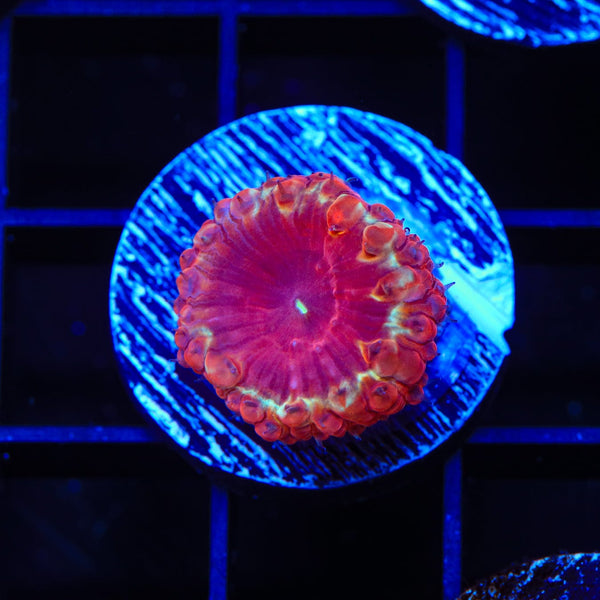
Hot Ring Blastomussa Coral
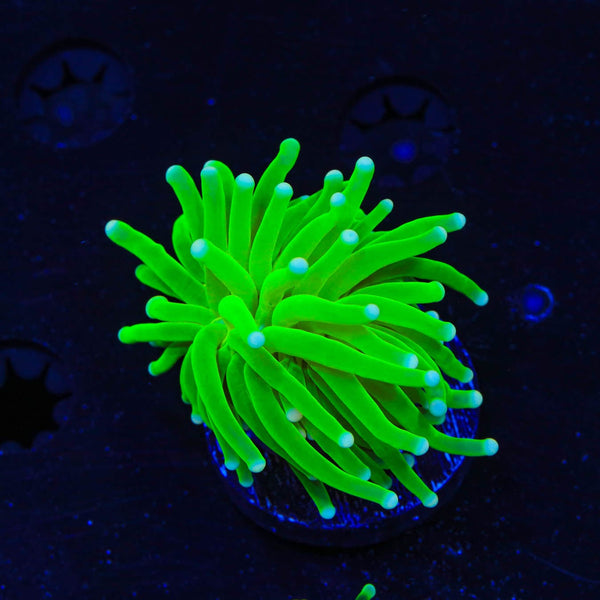
Hulk Torch Coral
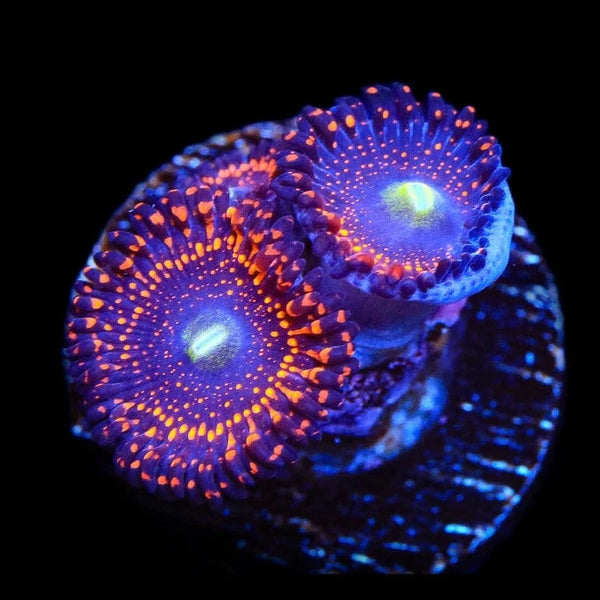
Illuminati Zoanthids Coral

Indo Gold Torch Coral

Insane Diablo Diaseris Plate Coral

Insane Rainbow Blastomussa Coral

Irish Gold Rhodactis Mushroom Coral

Jake Adams Immortal Tort Acropora Coral
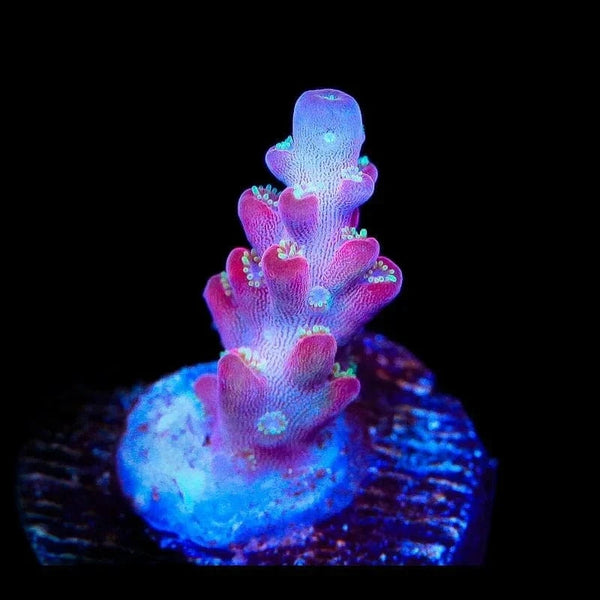
Jake Adams Rose Acropora Coral
How to Identify Coral
This coral glossary is a practical reference for comparing reef aquarium corals before you buy, place, or troubleshoot them. Each profile brings together the details that matter at the aquarium: common and scientific names, general care level, lighting, water flow, placement, feeding, and temperament. Use the search field when you already know a name, or browse the profile index when you are identifying a coral from its growth form, polyp shape, or trade name.
Identification is the first step, not the final care decision. Corals sold under similar common names can have different growth patterns and tolerances, while color alone can change under different lighting and nutrient conditions. Compare several visible traits, then open the individual profile for the complete care summary. If you are beginning with the broad groups, our guide to soft coral, LPS, and SPS coral types explains how those categories differ.
Aquarium Coral Types
Soft corals
Soft corals do not build the same rigid stony skeleton associated with LPS and SPS corals. Many are adaptable and bring movement to a reef, but fast-growing varieties still need deliberate placement so they do not overtake neighboring rockwork. Review each profile for its preferred light and flow rather than assuming every soft coral has identical needs.
Large-polyp stony corals
LPS corals combine a calcium-carbonate skeleton with large, fleshy polyps. Their tissue can be damaged by excessive direct flow, and many species need room for sweeper tentacles or other competitive behavior. The glossary helps compare familiar groups such as Euphyllia, brain corals, Acans, Favia, Goniopora, and chalice corals without treating them as one care category.
Small-polyp stony corals
SPS corals generally reward stable chemistry, appropriate light, and strong variable flow. Acropora, Montipora, Birdsnest, and related groups can differ substantially in placement and tolerance. Use the profiles to narrow the identification, then make changes gradually and watch the coral's response instead of chasing a single universal number.
Compare care requirements before placement
Start with the coral's current condition and the stable environment your aquarium can provide. Lighting recommendations are useful ranges, but acclimation matters whenever a coral moves between systems. Flow should keep the colony clean and deliver nutrients without pinning tissue against the skeleton. Placement also needs to account for growth, shading, and aggression from nearby colonies.
Care labels such as beginner, moderate, or advanced are a quick comparison tool. They do not replace testing or observation. Keep temperature and salinity consistent, follow alkalinity and nutrient trends, and leave enough time between adjustments to understand the result. If a coral retracts, pales, or develops tissue damage, review recent changes in light, flow, chemistry, pests, and neighboring corals before making another change.
Build a reef with compatible corals
A successful mixed reef is planned around zones. Lower-light or gentler-flow areas can suit one group, while exposed upper rockwork may support species that prefer more energy. Leave growth space around encrusting and plating corals, isolate aggressive or rapidly spreading colonies when appropriate, and remember that a small frag can become a large colony.
Coral Names and Pictures
Use photographs as an identification clue, but compare structure as well as color. Look at whether the colony branches, plates, encrusts, or forms separate fleshy heads; note the shape of the corallites and whether feeding or sweeper tentacles appear after dark. Trade names are useful labels for individual color forms, while the scientific grouping provides a more dependable starting point for care research.
Coral Care Guides by Type
Use the glossary to identify a coral, then continue with the focused care guide for its broader group.
Browse all profiles below to compare candidates, then use the individual guide as a starting point for acclimation and placement. For shopping rather than identification, visit our live coral collection. Keeping the informational glossary and the collection separate lets you research care first and choose livestock only after it fits the aquarium.
Browse every profile Profiles with images
- Holy Grail Hammer Coral
- Holy Grail Torch Coral
- Homewrecker Acropora Coral
- Hot Ring Blastomussa Coral
- Hulk Torch Coral
- Illuminati Zoanthids Coral
- Indo Gold Torch Coral
- Insane Diablo Diaseris Plate Coral
- Insane Rainbow Blastomussa Coral
- Irish Gold Rhodactis Mushroom Coral
- Jake Adams Immortal Tort Acropora Coral
- Jake Adams Rose Acropora Coral
- Japanese Toadstool Leather Coral
- Jawbreaker Zoanthids Coral
- Jedi Mind Trick Montipora Coral
- JF Acid Reflux Zoanthids Coral
- JF Aquaman Montipora Coral
- JF Avatar Chalice Coral
- JF Azz Krak Zoanthids Coral
- JF Beach Bum Montipora Coral
- JF Bloodshot Zoanthids Coral
- JF Buzz Kill Cyphastrea Coral
- JF Captain Jerk Palythoas Coral
- JF Chemical Reaction Chalice Coral
- JF Daisy Cutter Zoanthids Coral
- JF Daisy Duke Zoanthids Coral
- JF Dizzy Spell Montipora Coral
- JF Fairy Fart Zoanthids Coral
- JF Fairy Ring Favia Coral
- JF Fairy Tale Zoanthids Coral
- JF Frankie's Hot Pink Rim Montipora Cap Coral
- JF Fruity Pebbles Montipora Coral
- JF Gold Meister Chalice Coral
- JF Homewrecker Acropora Coral
- JF Jolt Acropora Coral
- JF Jungle Juice Zoanthids Coral
- JF Midnight Dynamite Montipora Coral
- JF Pink Rim Montipora Coral
- JF Psycho Rim Favia Coral
- JF Purple People Eater Favia Coral
- JF Raja Rampage Chalice Coral
- JF Silver Bullet Montipora Coral
- JF Sunkist Bounce Mushroom Coral
- JF Sweet Tooth Montipora Coral
- JF Toro Bravo Favia Coral
- JF Yellow Fever Montipora Coral
- JF Yellow Submarine Favia Coral
- Jingle Bells Cyphastrea Coral
- Johnny Pumpkin Seed Zoanthids Coral
- Joker Torch Coral
- Keds Reds Zoanthids Coral
- Kenya Tree Leather Coral
- Key Lime Pie Hammer Coral
- LA Lakers Zoanthids Coral
- Laura's Purple Polyp Acropora Coral
- Lich King Zoanthids Coral
- Lime Cynarina Coral
- Lime Hammer Coral
- Little Red Ferrari Acropora Coral
- Little Shop of Horror Zoanthids Coral
- Lunar Lemonade Acropora Coral
- Magic Carpet Persian Rug Mushroom Coral
- Magneto Zoanthids Coral
- Malaysian Miami Torch Coral
- Mango Haze Echinata Coral
- MattV Looney Tunes Tenuis Acropora Coral
- Mattv Orange Passion Acropora Coral
- Metallic Green Center Star Polyps Coral
- Meteor Shower Cyphastrea Coral
- Miami Hurricane Zoanthids Coral
- Mind Trick Zoanthids Coral
- Mint Finger Leather Coral
- Mint Frogspawn Coral
- Mint Green Star Polyps Coral
- Mint Leather Coral
- Mohawk Zoanthids Coral
- Monet Madness Cyphastrea Coral
- Mosh Pit Mushroom Coral
- Moss Posh Mushroom Coral
- Murder Hornet Zoanthids Coral
- My Clementine Zoanthids Coral
- Neon Green Digitata Montipora Coral
- Neon Hammer Coral
- Neon Polyp Toadstool Leather Coral
- Neon Tip Frogspawn Coral
- New York Knicks Torch Coral
- Nuclear Blast Blastomussa Coral
- Nuclear Green Montipora Digitata Coral
- OG Bizarro Zoanthids Coral
- OG Godzilla Mushroom Coral
- OG Red Dragon Acropora Coral
- OG Soprano Zoanthids Coral
- ORA Bird of Paradise Birdsnest Coral
- ORA Cherry Red Goniopora Coral
- ORA Easter Egg Chalice Coral
- ORA Frogskin Acropora Coral
- ORA German Blue Digitata Montipora Coral
- ORA Green Planet Acropora Coral
- ORA Green Spongodes Montipora Coral
- ORA Hawkins Echinata Acropora Coral
- ORA Pearlberry Acropora Coral
- ORA Splatter Pearl Bubble Coral
- Orange Montipora Setosa Coral
- Orange Oxide Zoanthids Coral
- Orange Speckled Mushroom Coral
- Oregon Blue Tort Acropora Coral
- Pacman Acropora Coral
- Pacman Dragon Acropora Coral
- Paletta Tricolor Acropora Coral
- PC Rainbow Acropora Coral
- PC Superman Acropora Coral
- PC Superman Table Acropora Coral
- Peppermint Alveopora Coral
- Peppermint Cyphastrea Coral
- Petroglyph Zoanthids Coral
- Pikachu Zoanthids Coral
- Pink Birdsnest Coral
- Pink Branching Cyphastrea Coral
- Pink Frogspawn Coral
- Pink Hammer Coral
- Pink Heart Goniopora Coral
- Pink Hippo Zoanthids Coral
- Pink Tip Torch Coral
- Pink Zipper Zoanthids Coral
- Pinky the Bear Goniopora Coral
- Pinky Umbrella Mushroom Coral
- Playboy Bunny Zoanthids Coral
- Plum Hammer Coral
- Pot of Gold Torch Coral
- Potion of Life Blastomussa Coral
- Powerball Bounce Mushroom Coral
- Pulsing Xenia CoralXenia sp.
- Punk Rocker Zoanthids Coral
- Purple Fuzzy Mushroom Coral
- Purple Monsters Zoanthids Coral
- Purple Smurple Rhodactis Mushroom Coral
- Purple Tip Hammer Coral
- Rainbow Acanthastrea Coral
- Rainbow Blastomussa Coral
- Rainbow Cynarina Coral
- Rainbow Favia Coral
- Rainbow Hornet Zoanthids Coral
- Rainbow Incenerator Zoanthids Coral
- Rainbow Indophyllia Coral
- Rainbow Lobophyllia Coral
- Rainbow Montipora Coral
- Rainbow Octospawn Coral
- Rainbow Raptor Zoanthids Coral
- Rainbow Tiger Hammer Coral
- Rainbow Troll Zoanthids Coral
Answers
Coral Types FAQ
What is the difference between SPS, LPS, and soft corals?
The difference comes down to skeleton and polyp size, which shapes how demanding each group is.
Soft corals don’t build a rigid calcium-carbonate skeleton. Flexible tissue and tiny embedded sclerites support them, so they are the most forgiving of alkalinity and calcium swings. In the hobby the group includes leathers, Kenya Tree, Green Star Polyps, and Xenia, and zoanthids and mushrooms are usually shopped alongside them.
LPS (large-polyp stony) corals build a hard skeleton covered by large, fleshy polyps. Hammers, torches, frogspawn, brain corals, Acans, chalices, and Goniopora belong here. Most prefer moderate light and gentle to moderate flow, many accept meaty foods, and several extend sweeper tentacles that sting their neighbors.
SPS (small-polyp stony) corals such as Acropora, Montipora, and Birdsnest build hard skeletons with tiny polyps. They grow fast under strong light and high, turbulent flow but need the most stable alkalinity, calcium, and magnesium.
Difficulty generally rises from soft corals to LPS to SPS. Compare current options in soft corals, LPS corals, and SPS corals.