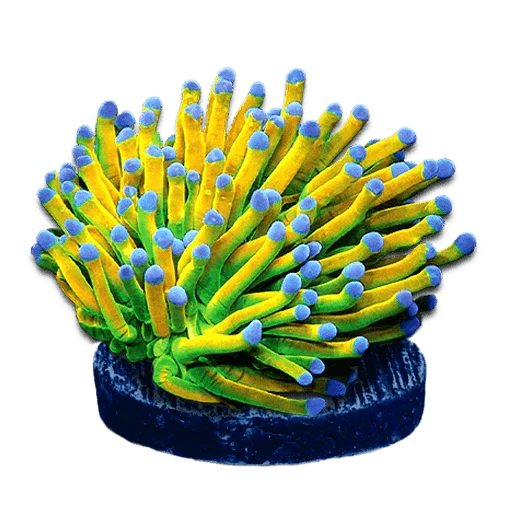
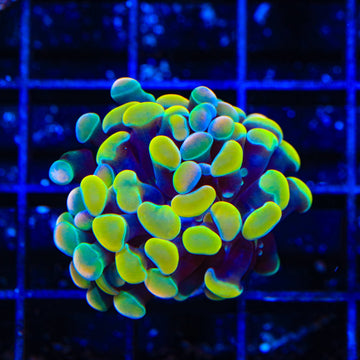
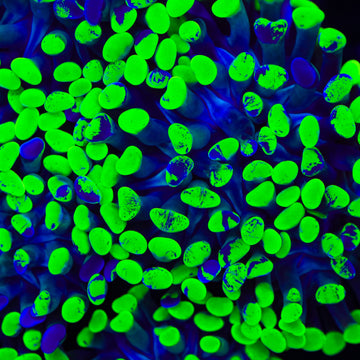
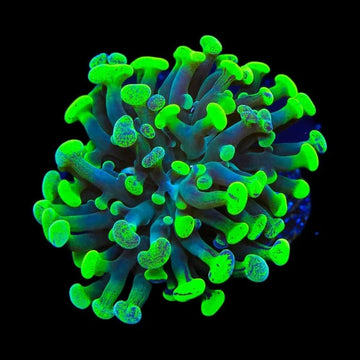
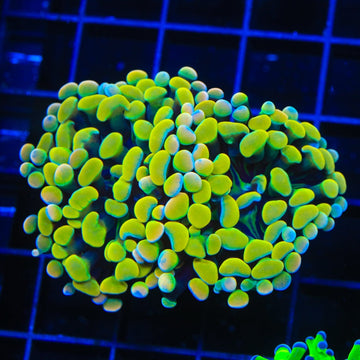
Malaysian Miami Torch Coral
Overview
Malaysian Miami Torch Coral shows long, flowing tentacles with bright tips. Euphyllia glabrescens is a large-polyp stony torch coral that prefers moderate light and gentle to moderate, indirect flow. It relies on symbiotic algae for energy but benefits from occasional small meaty foods, which can support faster growth and fuller polyp extension. Place it where tentacles have room and keep it away from nearby corals, as its sweeper tentacles can sting.
Quick Facts
Care
Moderate
Lighting
Moderate
Flow
Moderate, indirect
Placement
Mid–Low
Temperament
Aggressive (6–10 inches spacing)
Recommended Parameters
Temp
77–80°F
pH
8.1–8.4
Salinity
1.025–1.026
Calcium
400–450 ppm
AlkAlkalinity
8–9 dKH
Magnesium
1280–1380 ppm
Feeding
photosynthetic (primary), mysis shrimp, enriched brine shrimp, finely chopped marine meats, zooplankton, microplankton, coral-specific powdered foods
Care & Placement
FAQ
Frequently Asked Questions
About the Malaysian Miami Torch Coral
-
My Malaysian Miami Torch is getting “tip burn” after I upped the lights. How do I stop it without losing color?
Step down PAR to ~120–180 and acclimate 10–15% per week. Prioritize spectrum over intensity: strong blues (420–470 nm) with modest white keeps neon tips. Keep alk stable (8–9 dKH); sudden swings + high PAR cause burn. Increase random flow slightly to cool the tips, and avoid direct, laminar streams. Color usually returns once tissue heals. -
Why is this torch aggressive to other Euphyllia when my hammers get along fine?
Torches carry longer, more potent sweepers and don’t form mixed colonies like some hammers/frogspawn can. Give 6–8 inches clearance minimum; more if flow is brisk. Even “Euphyllia gardens” can fail when torches are included. If you must mix, place the torch downstream so its sweepers don’t reach neighbors, and monitor after lights out when sweepers extend. -
My colony stalled after shipping and shows slow tissue recession from the base. Any advanced steps beyond dips?
Stabilize first: zero ammonia, gentle random flow, PAR ~120. Then try a targeted iodine bath (per product guidelines) and increase dissolved organics slightly (aminos or small meaty feeds twice weekly). Inspect for bacterial film; if present, carefully remove necrotic tissue at the margin with a turkey baster. Maintain phosphate 0.03–0.08 and avoid ultra-low nutrients, which slow healing. -
My torch’s colors shifted from vibrant teal/green tips to duller gold. Is this a spectrum or nutrient issue?
Often both. Under heavy blue the fluorescence pops; more white shifts toward gold. Bring NO3 to 5–15 ppm and PO4 to 0.03–0.08 to prevent paling. If you prefer the original teal, favor blue channels and reduce whites slightly. Keep iron and manganese within normal trace ranges via balanced water changes rather than ad‑hoc dosing.