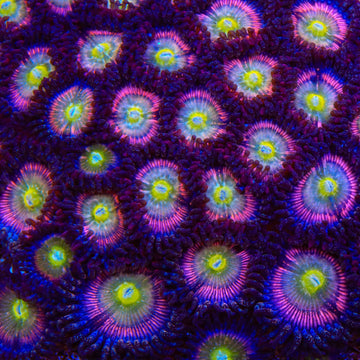
Pikachu Zoanthids Coral
Overview
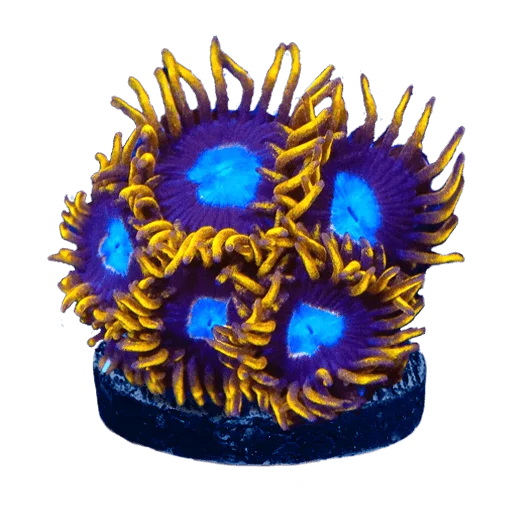
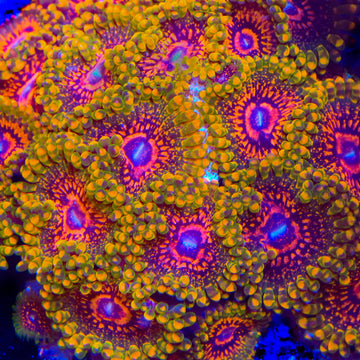
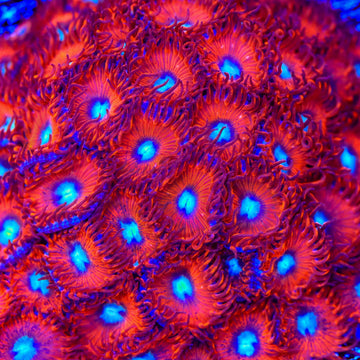
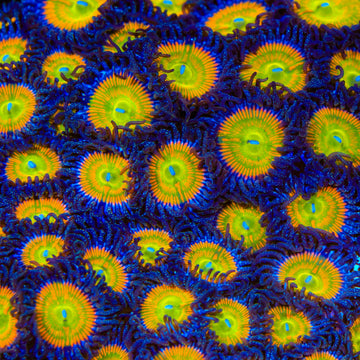
Pikachu Zoanthids Coral features bright yellow to gold oral discs with contrasting darker skirts on small button polyps. Zoanthus sp. is a soft, colonial polyp coral that grows as mats; it prefers moderate light and moderate, steady water flow. It is photosynthetic through symbiotic algae but benefits from occasional small particulate foods, which can boost growth and color. Place on an isolated rock with space to prevent spreading onto other corals, and avoid direct contact with aggressive neighbors.
Quick Facts
Care
Easy
Lighting
Low–Moderate
Flow
Moderate
Placement
Mid–Low
Temperament
Semi-aggressive (2–3 inches spacing)
Recommended Parameters
Temp
76–80°F
pH
8.1–8.4
Salinity
1.025–1.026
Calcium
380–430 ppm
AlkAlkalinity
8–10 dKH
Magnesium
1250–1350 ppm
Feeding
photosynthetic, microplankton, zooplankton, phytoplankton, powdered coral foods (e.g., Reef Roids), marine snow, very finely minced mysis shrimp, very finely minced brine shrimp, amino acid supplements
Care & Placement
FAQ
Frequently Asked Questions
About the Pikachu Zoanthids Coral
-
How do I keep Pikachu Zoanthids from fading to green or brown under my lights?
Aim for moderate PAR (80–150) with a blue-heavy spectrum (420–460 nm) and gentle UV/actinic. Acclimate slowly to any increase in intensity. Keep nutrients non-zero (nitrate 2–10 ppm, phosphate 0.03–0.10 ppm) to avoid stress paling while preventing algae. Stable alkalinity and temperature help color hold. If colors wash out, reduce white channels and recheck PAR rather than boosting intensity. -
My Pikachu Zoanthids are staying closed or “melting.” What should I check first?
Inspect at night for zoa-eating nudibranchs, sundial snails, and spiders; remove eggs manually. Treat zoa pox with Furan‑2 dips; consider iodine or diluted hydrogen peroxide dips for bacterial films or algae. Increase random flow to keep detritus off. Avoid ultra-low nutrients; slight increases often reverse recession. Verify salinity, alkalinity, and temperature stability—swings trigger shutdown. -
Any propagation tips specific to Pikachu Zoanthids?
They can be slower than common zoas and sulk after cutting. Use a sharp sterile blade to slice the mat between polyps, not through the oral disk. Wear gloves and eye protection due to potential palytoxin. Mount on clean plugs, then heal in lower light and gentle, indirect flow for 5–7 days before ramping. A light iodine dip post-cut can reduce infections. -
What placement and flow pattern helps them grow without stretching or collecting debris?
Place mid-level with unobstructed, moderate, random flow so skirts flutter but polyps aren’t blasted. Avoid shaded ledges that cause “reaching” and long stalks. An isolated rock island limits spread while allowing easy pruning. Use periodic carbon and regular water changes to manage chemical byproducts from mixed zoa gardens, which can irritate Pikachu polyps.