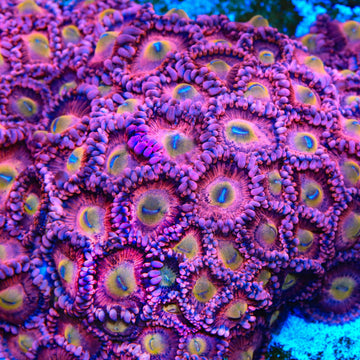
Magic Carpet Persian Rug Mushroom Coral
Overview
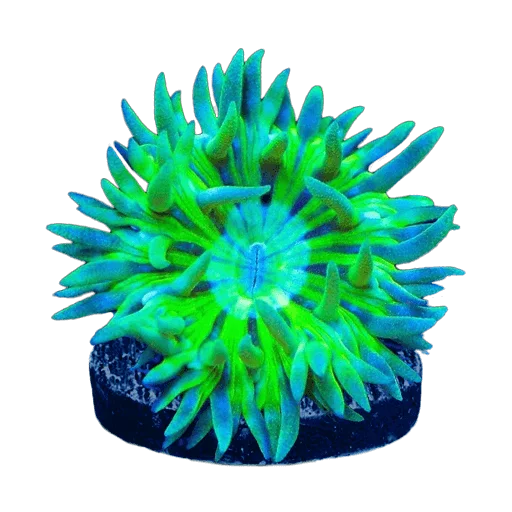
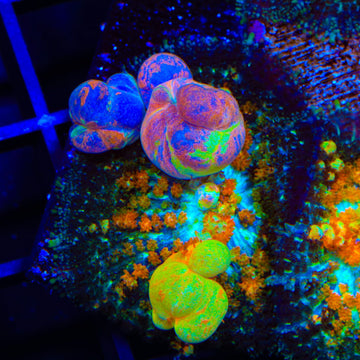
Magic Carpet Persian Rug Mushroom Coral shows a broad, textured oral disc with bubbly vesicles. Rhodactis sp. is a soft mushroom corallimorph that prefers low to moderate light and gentle to moderate water flow. It is photosynthetic with symbiotic algae and will accept occasional small meaty foods, which can support faster growth and richer coloration. Place it on stable rock with space around it, as it can expand and irritate nearby corals and may detach and drift if flow is too strong.
Quick Facts
Care
Easy
Lighting
Low–Moderate
Flow
Low–Moderate, indirect
Placement
Low–Mid
Temperament
Semi-aggressive (3–6 inches spacing)
Recommended Parameters
Temp
76–80°F
pH
8.1–8.4
Salinity
1.025–1.026
Calcium
380–430 ppm
AlkAlkalinity
8–10 dKH
Magnesium
1250–1350 ppm
Feeding
photosynthetic, mysis shrimp, enriched brine shrimp, finely chopped seafood, zooplankton/microplankton, coral-specific powdered foods, marine snow, copepods
Care & Placement
FAQ
Frequently Asked Questions
About the Magic Carpet Persian Rug Mushroom Coral
-
Why does my Magic Carpet Persian Rug Mushroom Coral inflate like a balloon or grow bubbly vesicles on the disc?
Inflation and vesicles are normal responses to light, flow, and feeding. Under higher light and nutrients, Rhodactis often develops bubbly textures; in lower light it stays flatter. Sudden “ballooning” helps it shed slime or reposition symbionts. If tissue stays taut and colored, it’s fine; if pale or wrinkled, reduce light, increase gentle flow, and stabilize nutrients. -
Can this Rhodactis sting neighbors or trap small fish and inverts?
Yes. Large specimens can capture tiny fish or shrimp, especially after feeding when mucus is sticky. Keep small gobies and sexy shrimp away. Give 2–3 inches of clearance from SPS/LPS to avoid overgrowth and contact irritation. Use activated carbon and good skimming to limit allelopathy, and avoid direct touch with torches or high-sting euphyllias. -
My “Persian Rug” is fading to brown or shrinking in a clean reef—what’s the fix?
These corallimorphs prefer moderate light and non-zero nutrients. Target 10–20 PAR acclimation steps up to 50–120 PAR, nitrate 5–15 ppm, phosphate 0.03–0.1 ppm. If colors brown, lower light gradually and feed small meaty foods weekly. In ultra-low nutrient tanks, ease up on export, increase fish feeding, and consider amino dosing. Avoid rapid light increases to prevent bleaching. -
It detached and is “wandering.” How do I anchor it where I want?
Place the polyp in a specimen cup or breeder box with coarse rubble and just enough flow to keep water fresh but not flip it. Avoid glue on tissue; instead, use a mesh lid or bridal veil to gently cover until it grabs. Check for irritants (too much light/flow, stinging neighbors). Once it refoots, move the rubble piece to the final spot.