Pink Frogspawn Coral
Overview
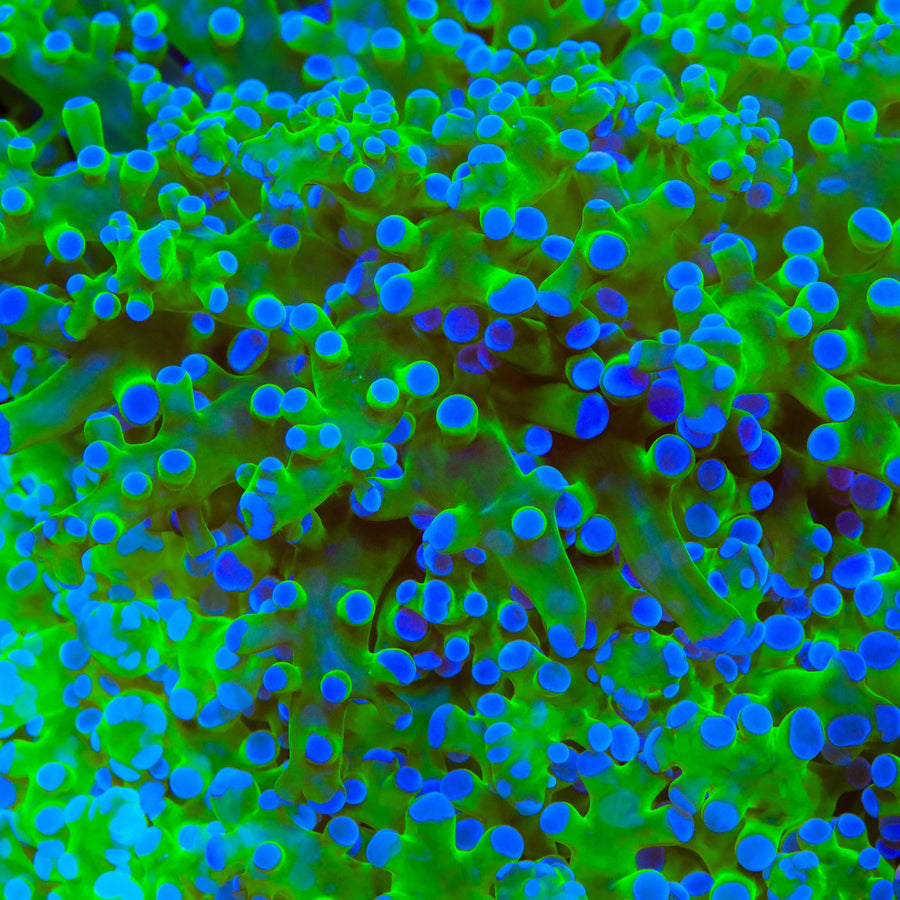
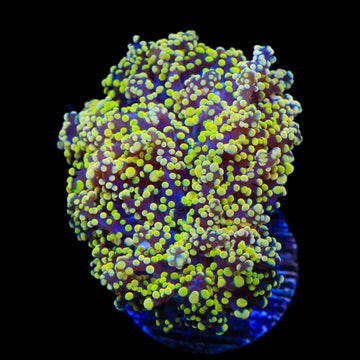
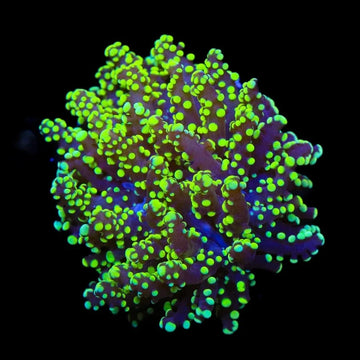
Pink Frogspawn Coral features branching heads with bubble-tipped tentacles that sway and extend. Fimbriaphyllia paradivisa is a branching large-polyp stony coral that prefers moderate light and gentle to moderate water flow. It relies on symbiotic algae for most nutrition but benefits from occasional small meaty feedings, which can support faster growth and maintain color. Place it where its long sweeper tentacles cannot reach and sting nearby corals, leaving several inches of clearance.
Quick Facts
Care
Moderate
Lighting
Moderate
Flow
Moderate indirect
Placement
Mid–Low
Temperament
Semi-aggressive (6 inches spacing)
Recommended Parameters
Temp
76–80°F
pH
8.1–8.4
Salinity
1.025–1.026
Calcium
400–450 ppm
AlkAlkalinity
8–10 dKH
Magnesium
1280–1350 ppm
Feeding
photosynthetic, mysis shrimp, enriched brine shrimp, finely chopped seafood (krill/shrimp), microplankton, zooplankton, marine snow, coral-specific powdered foods
Care & Placement
FAQ
Frequently Asked Questions
About the Pink Frogspawn Coral
-
Why does my Pink Frogspawn (Fimbriaphyllia paradivisa) lose its pink coloration under strong light?
Pink morphs often wash out under high PAR or overly white spectra. Aim for moderate PAR (100–200) with a blue-leaning spectrum; gradual acclimation helps. Stable nutrients (not ultra-low) support pigmentation, while excess nutrients push browning. Check alkalinity and trace balance; swings can dull color. If faded, lower intensity 10–20% and extend blue period, then reassess polyp inflation and color over two weeks. -
What causes sudden polyp bailout in this species, and can it be reversed?
Bailout is commonly triggered by rapid alkalinity shifts, harsh laminar flow hitting the mouth, or tissue damage from stings or shipping. Move to gentle, random flow, stabilize parameters (especially alk 8–9 dKH), and reduce light for a few days. If only a few heads are affected, isolate them in a low-flow basket; some bailed polyps can reattach on rubble. Iodine dips may help deter secondary infection. -
My coral inflates well but shows slow skeletal growth—what tweak helps branching?
Ensure steady calcification support: Ca 420–450 ppm, alk 8–9 dKH, Mg 1300–1400 ppm. Slightly higher, turbulent flow around the base promotes deposit of new aragonite at branch tips (look for white growth rims). Avoid frequent relocations; consistency drives growth. Moderate light is sufficient—pushing PAR rarely speeds skeleton. Occasional small feedings (mysis, roe) fuel tissue, indirectly supporting calcification. -
Are there compatibility quirks with torches and clownfish that aren’t obvious?
Torches (Fimbriaphyllia glabrescens) often out-sting frogspawn; leave extra space, as sweepers can reach 3–6 inches. Avoid direct contact with hammers/torches even within the genus. Some clownfish will host and can cause chronic irritation; if tissue stays retracted, add a mesh guard or redirect flow to discourage hosting. Keep alk stable to reduce stress from incidental stings, and quarantine to avoid brown jelly outbreaks.