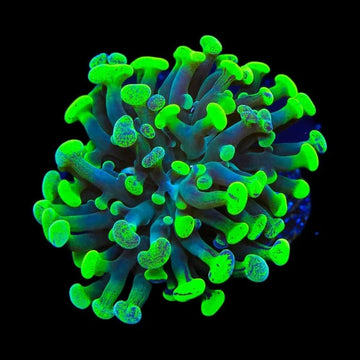
Plum Hammer Coral
Overview
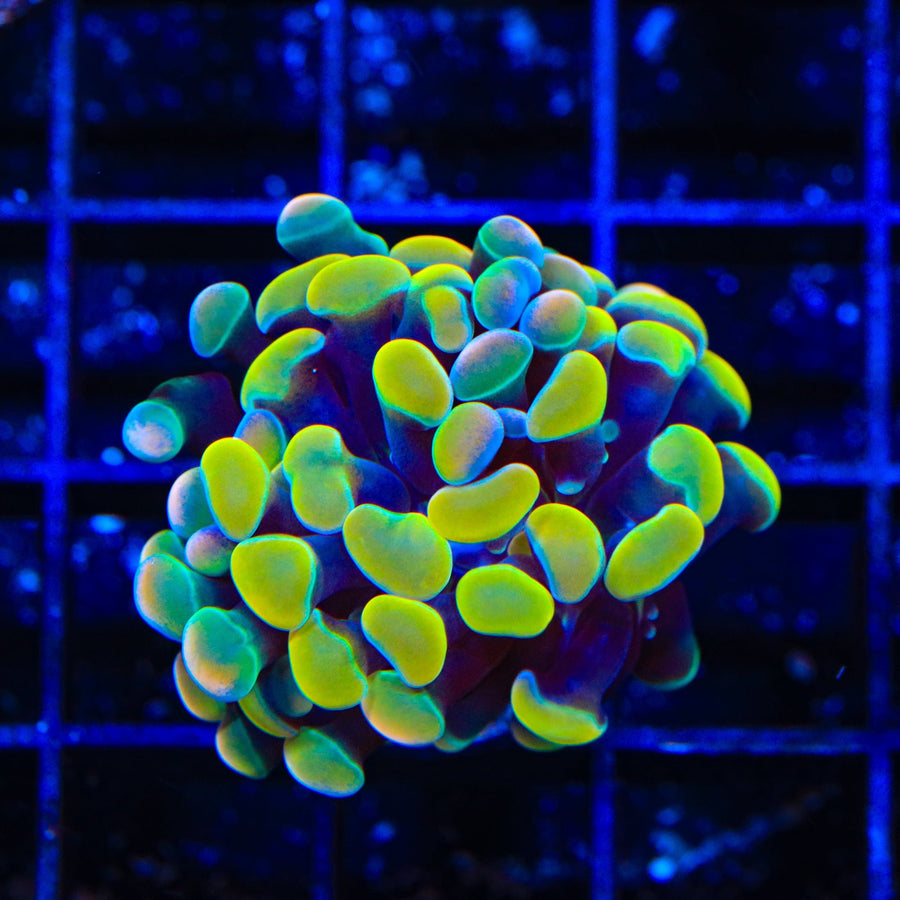
Plum Hammer Coral shows branching heads with hammer- or anchor-shaped tips in plum tones. Fimbriaphyllia paraancora is a large-polyp stony coral with a branching skeleton that prefers moderate light and gentle to moderate, indirect flow. It is photosynthetic via symbiotic algae but accepts small meaty foods, which can support faster growth and deeper color. Place it with space around its sweeper tentacles and keep a safe distance from other corals to avoid stings.
Quick Facts
Care
Moderate
Lighting
Moderate
Flow
Moderate, indirect
Placement
Mid–Low
Temperament
Aggressive (6–8 inches spacing)
Recommended Parameters
Temp
76–80°F
pH
8.1–8.4
Salinity
1.025–1.026
Calcium
400–450 ppm
AlkAlkalinity
8–9 dKH
Magnesium
1250–1350 ppm
Feeding
photosynthetic (primary), mysis shrimp, enriched brine shrimp, finely chopped seafood (shrimp/scallop), zooplankton/microplankton, LPS coral pellets or powders, marine snow
Care & Placement
FAQ
Frequently Asked Questions
About the Plum Hammer Coral
-
Is the Plum Hammer Coral branching or wall-forming, and how should I frag it safely?
Fimbriaphyllia paraancora is branching. Frag at the branch junctions with bone cutters or a bandsaw, avoiding live tissue. Dip frags, epoxy to a stable plug, and place in moderate, indirect flow for healing. Keep cuts clean to prevent infection, and avoid jostling until new skeleton and fleshy margins thicken, typically 2–4 weeks. -
How do I keep the “plum” coloration from fading or browning?
Acclimate slowly to light; this morph holds best under strong blue/violet spectrum with moderate PAR. Keep nutrients detectable but not high; ultra-lean systems can wash out color, while excess nitrate/phosphate browns it. Maintain stable alkalinity and avoid rapid shifts. Trace elements matter, but go light—small, consistent dosing beats big swings. -
My heads are receding with slime—could this be brown jelly disease, and what should I do?
Likely. Immediately siphon the jelly, perform an iodine/Lugol’s dip, and increase indirect flow around the colony. If a head is collapsing, cut it off at the branch to protect neighbors. Keep detritus off the skeleton, verify stable alkalinity and temperature, and quarantine severe cases. Early action often saves the remaining heads. -
Can my Plum Hammer touch other Fimbriaphyllia like frogspawn or torches?
Avoid contact with torches; they usually win. Hammers and frogspawn sometimes tolerate each other, but reactions vary by genotype. Heads from the same original colony typically do best together. Allow 2–3 inches for night sweeper reach, more if you notice irritation. Watch for slow-motion warfare: localized recession or persistent retraction.