Lich King Zoanthids Coral

Lich King Zoanthids Coral

Beginner Corals Zoanthids Soft Coral

Overview

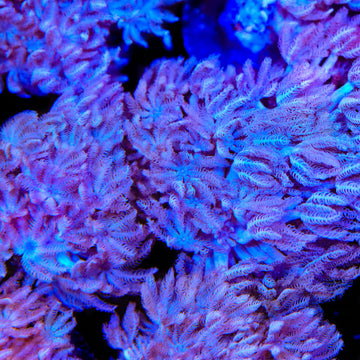
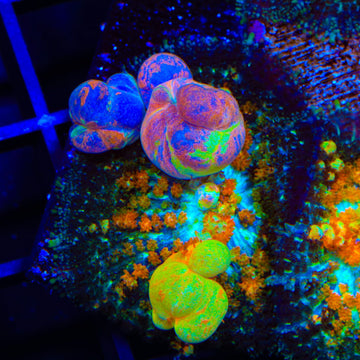
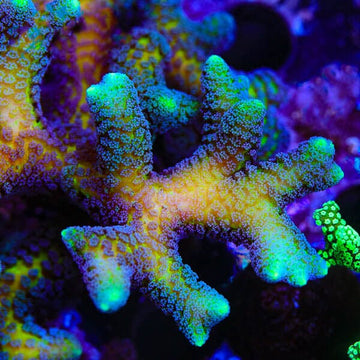
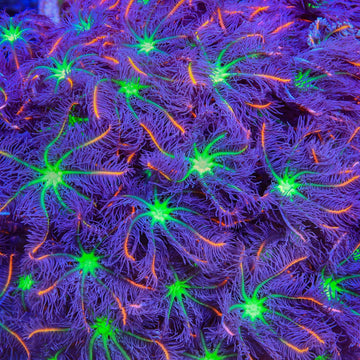
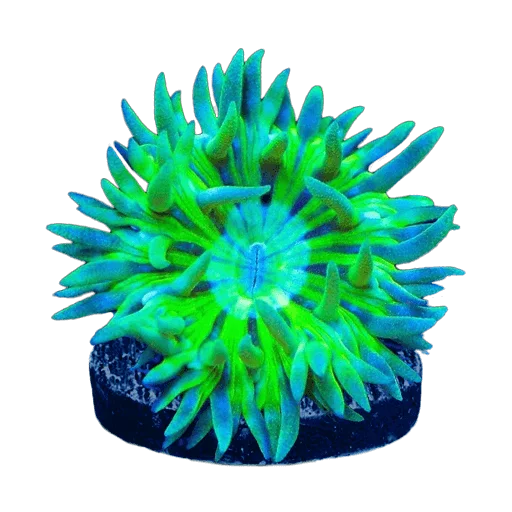
Lich King Zoanthids Coral shows small button polyps with contrasting centers and frilled skirts. Zoanthus sp., a soft colonial polyp that forms mats, prefers moderate light and gentle to moderate water flow. It is primarily photosynthetic via symbiotic algae but will accept fine meaty foods, which can improve growth and color. Place on a separate rock to manage rapid spreading and give space from aggressive neighbors; handle with care due to potential toxins.

Quick Facts

Care Easy
Lighting Moderate
Flow Moderate, indirect
Placement Mid–Low
Temperament Semi-aggressive (3–4 inches spacing)

Recommended Parameters

Temp 76–82°F
pH 8.1–8.4
Salinity 1.025–1.026
Calcium 380–450 ppm
AlkAlkalinity 8–10 dKH
Magnesium 1250–1350 ppm
Feeding photosynthetic, phytoplankton, rotifers, microplankton, powdered coral foods, marine snow, amino acids

Care & Placement

Lich King Zoanthids Coral (Zoanthus sp.) thrives under stable, reef-safe conditions with gentle introduction. Target lighting of 50–150 PAR; begin on the low end and raise slowly over 1–2 weeks to prevent bleaching or closed polyps. Provide moderate, varied flow to keep detritus off the mat and discourage film algae, but avoid direct blasting that causes retraction. They photosynthesize but benefit from 1–2 small feedings per week of fine foods (phytoplankton, rotifers, reef powders). Keep temperature 75–79°F (24–26°C), salinity 1.025–1.026 (35 ppt), pH 8.1–8.4, alkalinity 8.0–9.5 dKH, calcium 400–450 ppm, magnesium 1250–1350 ppm, nitrate 2–10 ppm, and phosphate 0.03–0.08 ppm. Test weekly; watch for swings after water changes.Place frags low to mid in the tank, starting shaded if moving from dim systems. Use an isolated rock “island” to contain spread and leave 2–3 inches from neighbors; zoas can overgrow slower corals yet lose to long sweeper tentacles from LPS. Temperament is generally peaceful with other soft corals. Dip all new pieces to remove pests (zoa-eating nudibranchs, sundial snails) and drip acclimate 20–30 minutes. If polyps “melt,” stay closed, or shrink, check for pests, raise flow slightly, and correct nutrients (ultra-low nutrients can stall growth). If colors wash out, lower light; if browning, increase light gradually and improve flow. Handle with gloves and eye protection.

FAQ

Frequently Asked Questions

About the Lich King Zoanthids Coral

  • Why do my Lich King Zoanthids lose their icy-blue glow under new lights?
    This morph often shifts with spectrum and PAR. Aim for strong blue/violet (420–470 nm) with moderate PAR (80–150 at the colony). Ramp intensity over 1–2 weeks to prevent bleaching. Keep nutrients non-zero (NO3 5–15 ppm, PO4 0.03–0.1) to avoid washing out. Stable salinity and alkalinity help pigments set; sudden swings commonly dull the glow.
  • How can I boost growth without the colony turning into a dull carpet?
    Encourage encrusting growth on a small island or rubble so you can manage spread. Moderate, random flow prevents detritus between polyps. Feed sparingly with fine foods once or twice weekly; overfeeding fuels algae around skirts. Maintain steady nutrients in the low-but-present range and avoid ultra-low nutrient systems, which can stunt polyps and mute color.
  • My polyps are staying closed; how do I tell if it’s pests, bacteria, or chemistry?
    Inspect at night for zoa-eating nudibranchs and sundial snails; look for eggs on the mat. Isolated pale lesions suggest zoa pox (responds to targeted Furan-2 dips). Widespread sulking after changes points to instability—check salinity, temperature, and alkalinity. Start with a gentle iodine dip, adjust flow to keep detritus off, then address nutrients and pests as needed.
  • Do Lich King Zoanthids struggle near soft corals or LPS?
    They tolerate many neighbors but can stall near allelopathic softies (e.g., leathers) and aggressive LPS with long sweepers. Run fresh carbon and ensure good skimming if mixing with chemical shedders. Give at least a few inches of space from stingers, and use directional flow so mucus and shed chemicals don’t settle on the zoa mat.