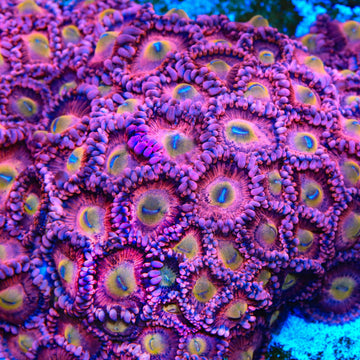
Miami Hurricane Zoanthids Coral
Overview
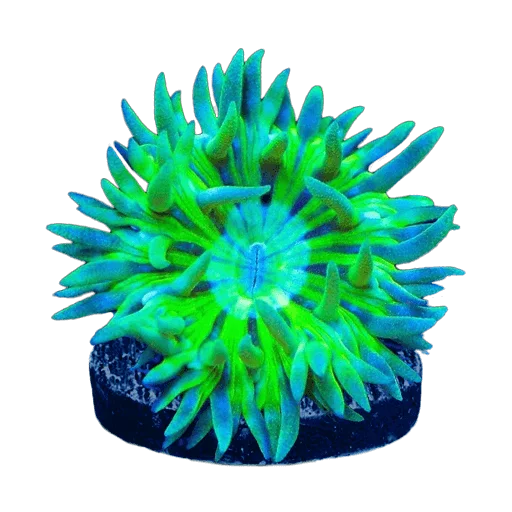
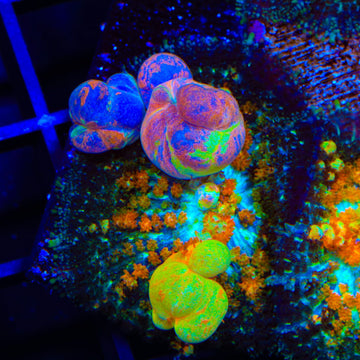
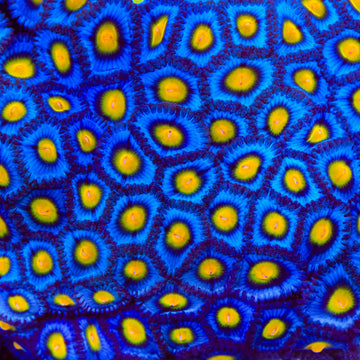
Miami Hurricane Zoanthids Coral displays compact button-like polyps with contrasting centers and skirts. Classified as Zoanthus sp., it is a colonial soft coral that forms encrusting mats; provide moderate light and low to moderate, indirect flow. Primarily photosynthetic with symbiotic algae, it benefits from occasional small particulate foods, which can support faster growth and steadier color. Place on isolated rock to manage spreading and keep space from aggressive stingers.
Quick Facts
Care
Easy
Lighting
Low–Moderate
Flow
Moderate, indirect
Placement
Low–Mid
Temperament
Semi-aggressive (2–3 inches spacing)
Recommended Parameters
Temp
76–80°F
pH
8.1–8.4
Salinity
1.025–1.026
Calcium
400–450 ppm
AlkAlkalinity
8–10 dKH
Magnesium
1250–1350 ppm
Feeding
photosynthetic, microplankton, phytoplankton, zooplankton, rotifers, baby brine shrimp nauplii, cyclops, powdered coral foods (e.g., Reef-Roids), amino acid supplements
Care & Placement
FAQ
Frequently Asked Questions
About the Miami Hurricane Zoanthids Coral
-
How do I keep Miami Hurricane Zoanthids from browning or washing out?
Aim for moderate PAR (80–150) with a blue-heavy spectrum; ramp light slowly over 2–3 weeks. Maintain modest nutrients (NO3 5–15 ppm, PO4 0.03–0.1) to avoid a “too clean” stall. Stable alkalinity and salinity help pigment retention. Trace elements like iodine and iron can influence coloration—dose only if you test. Avoid excessive white light and abrupt moves up the rockwork. -
My polyps stay small or won’t open—what’s the likely cause?
Common culprits include zoa-eating nudibranchs, sundial snails, and vermetid snails. Inspect after lights out and consider a Lugol’s or Furan-2 dip for infections/zoa pox. Redirect harsh, direct flow to a broader, indirect pattern. Run carbon if near soft corals to mitigate chemical warfare. Slightly raise nutrients if the tank is ultra-lean, and re-acclimate to light after recent changes. -
Will Miami Hurricane Zoanthids overrun my rockwork, and how do I manage spread?
They can form fast-growing mats. Isolate on a small “island” rock or create a sand moat to limit runners. Regularly trim edges with bone cutters or a scalpel, removing small sections of the mat. Use shading barriers or place near less desirable rubble you can remove later. Keep space from slow growers to prevent shading. -
Do they benefit from feeding, or is light enough?
They’re primarily photosynthetic but respond to occasional fine-particle foods (rotifers, reef roids) once weekly. Target feed at reduced flow so food contacts tentacles briefly, then resume flow to prevent film buildup. Avoid heavy feeding that fuels algae. Look for a quick “grab” response; if none, reduce frequency. Consistent nutrients and light stability often boost growth more than food.