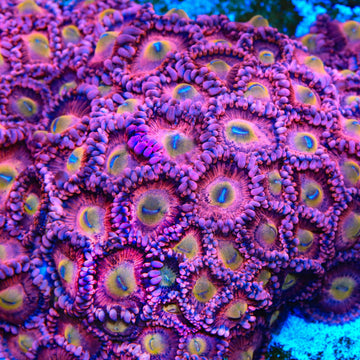
JF Midnight Dynamite Montipora Coral
Overview
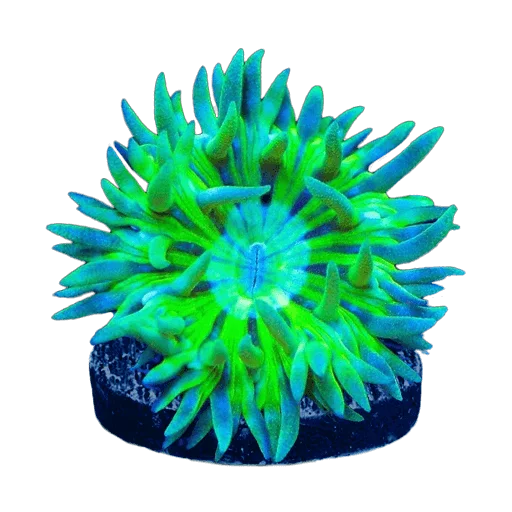
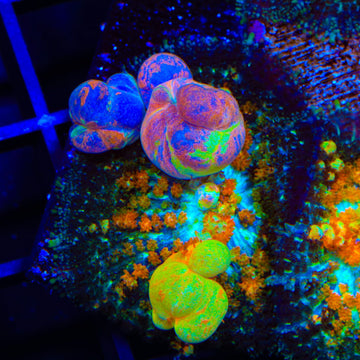
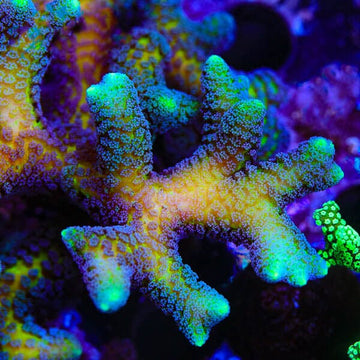
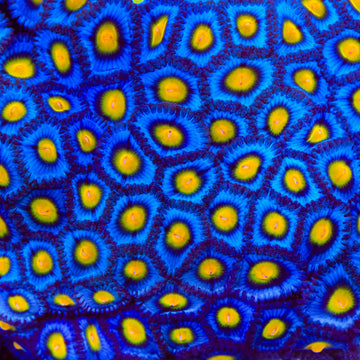
JF Midnight Dynamite Montipora Coral shows a dark base with bright, speckled polyps and a spreading, plating edge. Montipora sp., a small-polyp stony coral that grows encrusting to plating, prefers moderate to strong lighting and steady, moderate to high water flow. It is primarily photosynthetic via symbiotic algae, but occasional feedings of fine plankton or coral foods can support faster growth and maintain coloration. Place it high to mid on rockwork with room to expand, and keep distance from aggressive, long-sweeper corals.
Quick Facts
Care
Moderate
Lighting
Moderate–High
Flow
Moderate, indirect
Placement
Mid–High
Temperament
Peaceful (2–3 inches spacing)
Recommended Parameters
Temp
76–80°F
pH
8.1–8.4
Salinity
1.025–1.026
Calcium
400–450 ppm
AlkAlkalinity
8–9 dKH
Magnesium
1280–1350 ppm
Feeding
photosynthetic (primary), microplankton, zooplankton, phytoplankton, rotifers, copepod nauplii, powdered coral foods (e.g., reef roids), marine snow, amino acid supplements
Care & Placement
FAQ
Frequently Asked Questions
About the JF Midnight Dynamite Montipora Coral
-
What makes the JF Midnight Dynamite Montipora look so striking, and how do I keep that contrast?
It typically shows a very dark base with hot red/orange polyps. Maintain moderate nutrients (NO3 5–15 ppm, PO4 0.03–0.1) and strong, blue-leaning spectrum to keep the base dark and polyps vivid. Too much white can wash the base; ultra-low nutrients mute polyps. Stable alk 8–9 dKH is key. Trace balance matters—potassium and iron deficits often dull reds/purples. -
Will it encrust or plate, and how should I place it to avoid self-shadowing?
It usually starts encrusting, then forms thin shelves under higher light/flow. Mount on a vertical face or sloped rock so new plates don’t shade the base. Provide strong, random flow to keep the tissue clean and growth even. If shelves begin to shade, trim the leading lip; the colony heals quickly when parameters are stable. -
My colony’s base is paling while polyps still show color—what should I check first?
Paling base with colored polyps often points to too much PAR for the nutrient level. Reduce intensity 15–20% or shorten photoperiod, and gently raise nutrients. Verify alk stability (daily swing <0.3 dKH). Check potassium and iodine; both influence blues/purples and tissue thickness. If you keep soft corals, run fresh carbon—allelopathy can thin Montipora tissue without obvious burn. -
How do I identify and handle Montipora-eating nudibranchs on this coral?
Look for scalloped bite marks and white patches at the edges, and check at night for tiny white nudibranchs and egg spirals. Remove the colony, manually siphon pests, and use a coral dip (repeat every 3–4 days for 2–3 weeks to break egg cycles). Quarantine frags. A halichoeres wrasse may help with stragglers, but manual/dip cycles do the heavy lifting.