Mint Finger Leather Coral
Overview
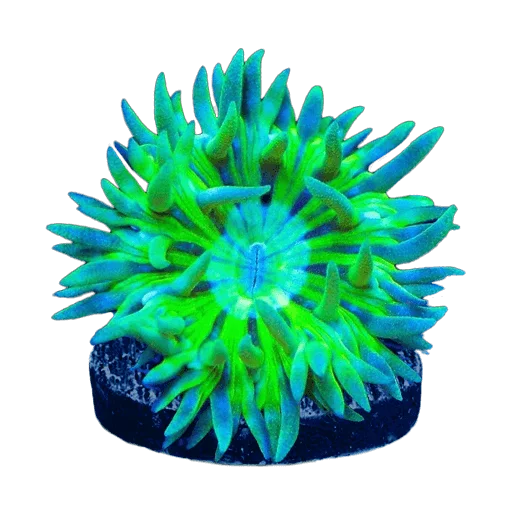
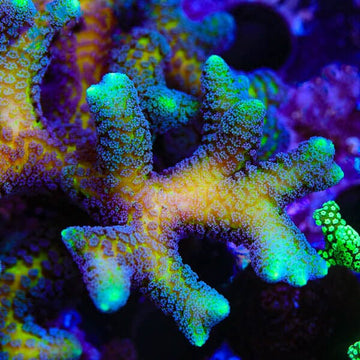
Mint Finger Leather Coral displays branching, finger-like lobes with a mint-green tone and a slightly velvety surface. Sinularia flexibilis is a soft leather coral that prefers moderate lighting and moderate to strong, varied water flow. It is mainly photosynthetic with symbiotic algae, but occasional small particulate foods can support growth and may deepen color. Place with space from other corals and keep it downcurrent, as it can shed and release compounds that irritate neighbors.
Quick Facts
Care
Easy
Lighting
Moderate–High
Flow
Moderate–High
Placement
Mid–High
Temperament
Semi-aggressive (3–6 inches spacing due to allelopathy)
Recommended Parameters
Temp
75–80°F
pH
8.1–8.4
Salinity
1.025–1.026
Calcium
380–430 ppm
AlkAlkalinity
8–10 dKH
Magnesium
1250–1350 ppm
Feeding
photosynthetic (primary), phytoplankton, microplankton, very fine zooplankton, marine snow, coral-specific powdered foods (e.g., Reef-Roids), amino acid supplements
Care & Placement
FAQ
Frequently Asked Questions
About the Mint Finger Leather Coral
-
Why does my Mint Finger Leather Coral periodically shrink and develop a glossy film?
Sinularia flexibilis sheds a waxy cuticle to clear algae and biofilm. During this, it deflates and may look shiny for a few days. Provide moderate–strong, turbulent flow to help slough the film; avoid blasting it directly. Do not pick at the surface. Running fresh activated carbon and skimming improves water clarity and reduces stress from shed-related compounds. -
My coral turned brown from mint green—what’s the likely cause and fix?
Browning often indicates increased zooxanthellae density from lower light or higher nutrients. Gradually increase PAR (not abruptly) and improve water clarity with carbon. Aim for a blue-heavy spectrum to bring out green fluorescence. Keep nutrients moderate, not stripped. Ensure ample, randomized flow to prevent films that further shade tissue. Color can rebound over 2–4 weeks with stability. -
Can Mint Finger Leather chemically irritate neighbors even without physical contact?
Yes. Sinularia produces terpenoid compounds that can suppress nearby corals, especially LPS and other softies. Space it generously, maintain vigorous export (carbon changed weekly, strong skimming, regular water changes), and avoid mixing with other allelopathic soft corals in tight quarters. After pruning or fragging, toxin release increases—run extra carbon and consider a large water change. -
The coral sags after shipping or re-scaping and won’t stand upright—what helps?
Sinularia needs a firm base and directional support. Mount the stalk where the base can encrust onto rock, using a cradle or rubble pocket rather than gluing soft tissue. Increase turbulent flow to encourage polyp inflation and structural tone, but avoid laminar blasts. Stability in salinity and temperature speeds recovery; avoid repeated handling until it reattaches.