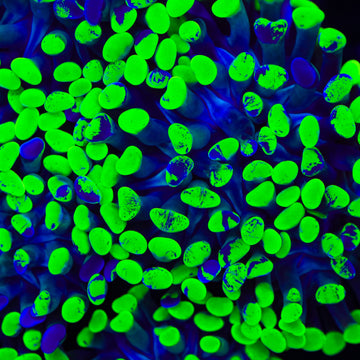
Neon Hammer Coral
Overview
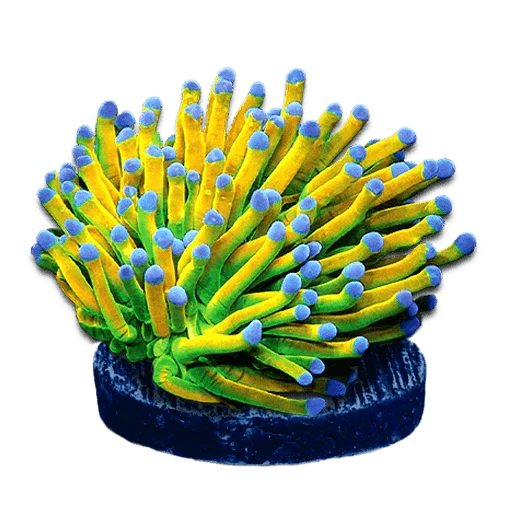
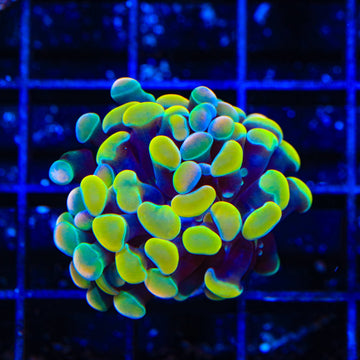
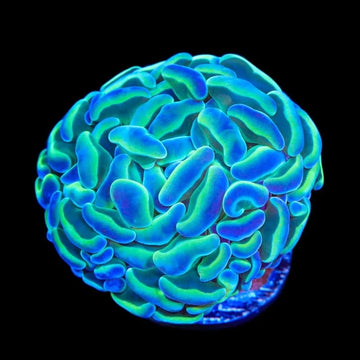
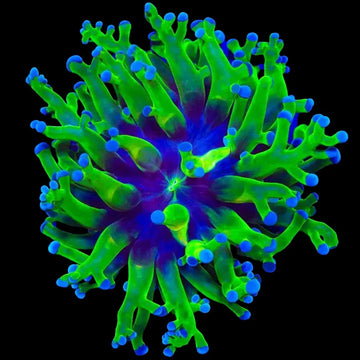
Hammer Coral has thick, fleshy polyps with hammer- or anchor-shaped tips that extend from branching heads. Fimbriaphyllia parancora is a branching large-polyp stony coral that prefers moderate light and gentle to moderate, indirect flow. It relies on symbiotic algae but will accept small meaty foods; occasional feeding can boost growth and maintain color. Allow several inches of space for its sweeper tentacles and avoid strong flow or close placement to other corals.
Quick Facts
Care
Moderate
Lighting
Moderate
Flow
Moderate, indirect
Placement
Mid–Low
Temperament
Semi-aggressive (long sweeper tentacles; 6+ inches spacing)
Recommended Parameters
Temp
76–82°F
pH
8.1–8.4
Salinity
1.025–1.026
Calcium
400–450 ppm
AlkAlkalinity
8–9 dKH
Magnesium
1280–1350 ppm
Feeding
photosynthetic, mysis shrimp, enriched brine shrimp, finely chopped shrimp/clam, zooplankton, microplankton, marine snow, powdered coral foods
Care & Placement
FAQ
Frequently Asked Questions
About the Neon Hammer Coral
-
Why does my Hammer Coral (Fimbriaphyllia parancora) inflate and deflate throughout the day, and when should I worry?
Normal cycles include daytime expansion for light capture and slight night contraction. Concern arises if tissue stays retracted for days, exposing sharp septa, or shows localized gel-like decay (brown jelly). Check for excessive flow, abrupt PAR changes, alk swings, or nudibranchs. Stabilize dKH 8–9, Ca 420–450, Mg ~1300, keep phosphate detectable, and perform an iodine dip if tissue loss starts. -
What lighting keeps color without risking bleaching or dulling?
Branching hammers favor moderate PAR (80–150). Too high washes color and shortens polyp; too low produces brown, elongated tentacles. Ramp intensity slowly over 2–3 weeks. Blue-heavy spectra (400–470 nm) help greens and golds pop, but provide some white for growth. If tips pale while bases darken, reduce PAR or increase diffusion and improve nutrients slightly. -
My hammer stings neighbors inconsistently. What affects sweeper length and aggression?
Nighttime sweepers extend 2–6 inches, longer with higher flow, intermittent feeding, and when sensing rival cnidarians (especially torches). Chemical cues from other LPS can trigger extra extension. Give 6–8 inches of space and avoid down-current placement near meaty LPS. Activated carbon and regular water changes can reduce chemical warfare, but physical distance is still the best control. -
How can I prevent and respond to brown jelly in a branching hammer colony?
Prevention: maintain stable parameters, moderate flow, gentle handling, and quarantine new Euphylliids. At first sign (brown, stringy mucus, rapid tissue melt), immediately siphon the jelly, remove the affected head by cutting the branch below healthy tissue, and perform an iodine dip. Increase aeration and flow, run fresh carbon, and reduce organics. Disinfect tools to avoid cross-contamination.