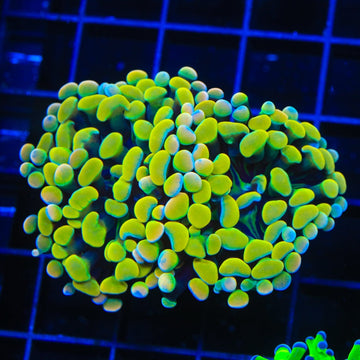
Purple Tip Hammer Coral
Overview
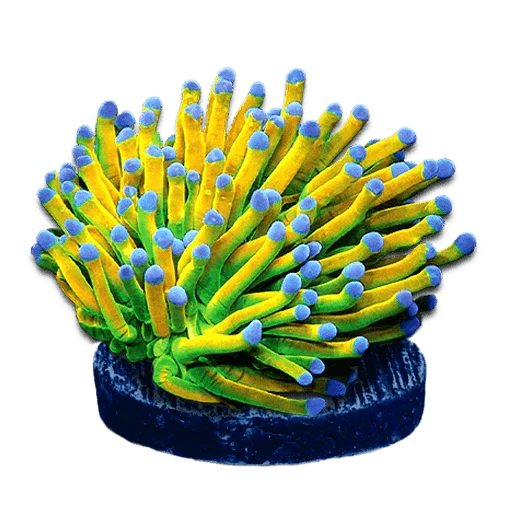
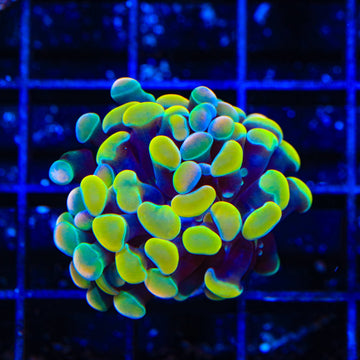
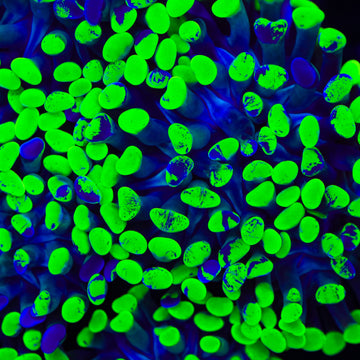
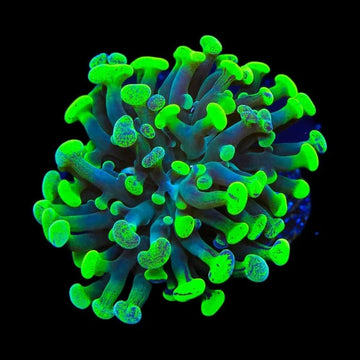
Purple Tip Hammer Coral has inflated, branching tentacles with hammer-shaped tips capped in purple. Fimbriaphyllia paraancora is a branching large-polyp stony coral that prefers moderate light and gentle, indirect water flow. It hosts symbiotic algae for most nutrition but benefits from occasional small meaty foods, which can support growth and maintain color. Place with ample space and avoid contact with other corals, as it can extend stinging sweepers.
Quick Facts
Care
Moderate
Lighting
Moderate
Flow
Moderate indirect
Placement
Mid–Low
Temperament
Semi-aggressive (6–8 inches spacing)
Recommended Parameters
Temp
76–80°F
pH
8.1–8.4
Salinity
1.025–1.026
Calcium
400–450 ppm
AlkAlkalinity
8–10 dKH
Magnesium
1280–1350 ppm
Feeding
photosynthetic (primary), mysis shrimp, enriched brine shrimp, finely chopped seafood, zooplankton, microplankton, coral-specific particulate foods, marine snow
Care & Placement
FAQ
Frequently Asked Questions
About the Purple Tip Hammer Coral
-
Why do the purple tips on my Purple Tip Hammer Coral fade or turn brown under the same lighting that keeps other LPS vibrant?
This coral’s tip color is sensitive to spectrum and nutrient balance. Strong white-heavy light and very low nutrients can wash out tips, while excess nutrients increase zooxanthellae, browning them. Aim for moderate PAR (80–150), blue-heavy spectrum, nitrate 5–15 ppm, phosphate 0.03–0.1 ppm. Increase light slowly after moves. Stable potassium and iodine within natural seawater ranges support tip definition. -
My Fimbriaphyllia paraancora retracts and shows tissue wear at the branch edges—flow looks “moderate.” What should I adjust?
Branching hammers dislike direct, linear streams. Even “moderate” flow that hits one side continuously can chafe tissue at skeleton edges. Redirect to a wider, alternating pattern with indirect pulses, allowing tentacles to sway without folding. Ensure flow reaches under the branches to prevent detritus buildup. Check for vermetid snails or sand abrasion; both can cause localized recession. -
Can I place this hammer near other Euphylliids, and how far should I keep it from different LPS?
It generally tolerates close proximity to other hammers and some frogspawn, but chemical warfare still occurs, especially in smaller systems. Give 3–6 inches to relatives and 6–10 inches to unrelated LPS. At night it can throw sweepers several inches. Watch for stinging lines on neighbors. Activated carbon and periodic water changes help reduce allelopathic stress. -
I’m seeing slow base recession despite stable parameters. Could this be shadowing, and how do I fix it?
Yes—dense heads can shade lower tissue, starving it of light while trapping detritus. Raise the colony slightly, angle it to open the branching “canopy,” and add gentle crossflow beneath. Consider a small trim of interior branches to improve light and water movement. Verify that alk, Ca, and Mg are steady and that vermetids or cyanobacteria aren’t irritating shaded tissue.