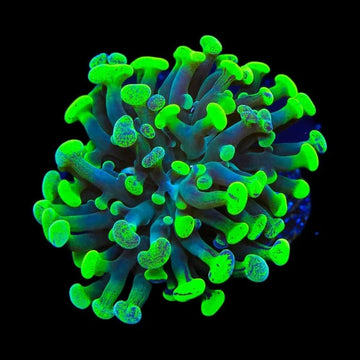
Pink Hammer Coral
Overview
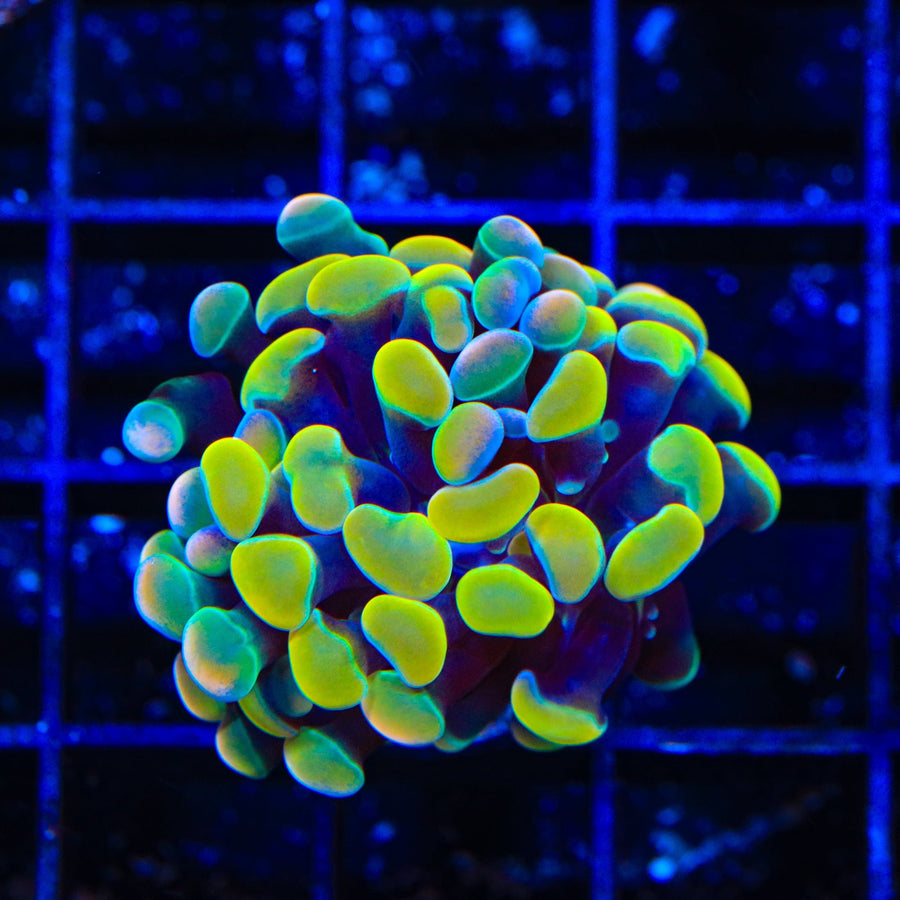
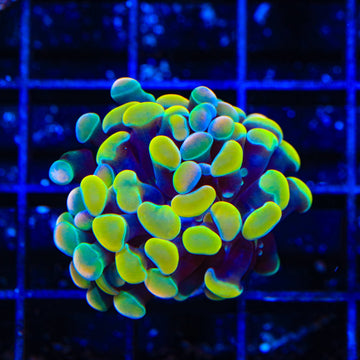
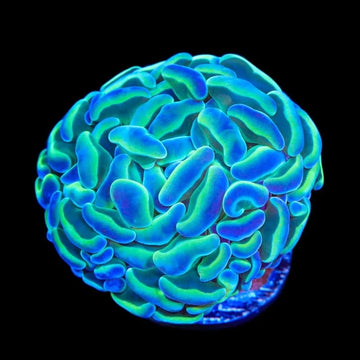
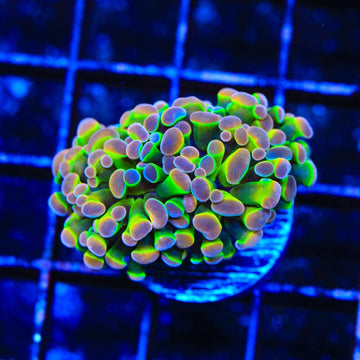
Pink Hammer Coral displays branching heads with pink hammer-shaped tentacle tips. Fimbriaphyllia paraancora is a large-polyp stony coral with a branching skeleton that prefers moderate lighting and gentle to moderate water flow. It hosts symbiotic algae for photosynthesis but benefits from occasional small meaty feedings, which can support growth and maintain color. Place it where its long sweeper tentacles cannot reach other corals, and avoid direct, strong flow that can damage tissue.
Quick Facts
Care
Moderate
Lighting
Moderate
Flow
Moderate, indirect
Placement
Mid–Low
Temperament
Semi-aggressive (long sweeper tentacles; 6–8 inches spacing)
Recommended Parameters
Temp
76–80°F
pH
8.1–8.4
Salinity
1.025–1.026
Calcium
400–450 ppm
AlkAlkalinity
8–10 dKH
Magnesium
1250–1350 ppm
Feeding
photosynthetic, mysis shrimp, enriched brine shrimp, copepods, rotifers, finely chopped krill and clam, zooplankton, microplankton, coral-specific foods
Care & Placement
FAQ
Frequently Asked Questions
About the Pink Hammer Coral
-
My Pink Hammer (Fimbriaphyllia paraancora) is branching—how does its growth pattern affect placement and pruning?
Branching heads grow outward and upward, often shading lower branches. Give side clearance to prevent self-stinging and to allow flow between heads. For pruning, cut through bare branch skeleton well below soft tissue with bone cutters or a diamond saw. Dip frags in iodine, provide moderate flow to the cut, and avoid sand contact to prevent infection. -
How can I maintain the pink coloration without stressing the coral?
Aim for moderate PAR (90–150) with strong blue spectrum (420–470 nm). Keep nutrients present but controlled (nitrate 5–15 ppm, phosphate 0.03–0.08 ppm). Excess white light or ultra-low nutrients can wash out color; excess nutrients may brown it. Stable alkalinity (8–9 dKH) and steady temperature reduce pigment loss during seasonal shifts. -
What rare issues can mimic “sulking” and how do I troubleshoot?
Persistent retraction can be triggered by laminar flow burning tissue, vermetid snail mucus nets, or stings from nearby torches. Check for filamentous mucus threads (vermetids) and remove offenders. Redirect flow to be broad and indirect. Inspect at night for long sweepers from neighbors. If tissue recession appears, consider an iodine dip and increase random flow to discourage bacterial growth. -
Is it safe to let clownfish host a Pink Hammer?
Light hosting by small clowns may be tolerated, but vigorous rubbing often leads to recession, torn tissue, and brown jelly risk. If hosting begins, reduce flow slightly to minimize flapping, provide an alternative host (optozoanthids, large toadstool), or use a mesh guard temporarily. Monitor for excess mucus, and be ready to separate if polyp extension drops consistently.