
Saltwater Aquarium Fish Species Guide
Identify and compare saltwater aquarium fish species by family, adult size, tank requirements, temperament, diet, and reef compatibility.
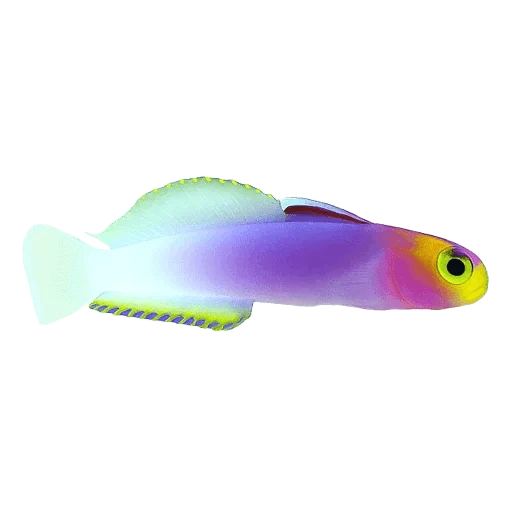
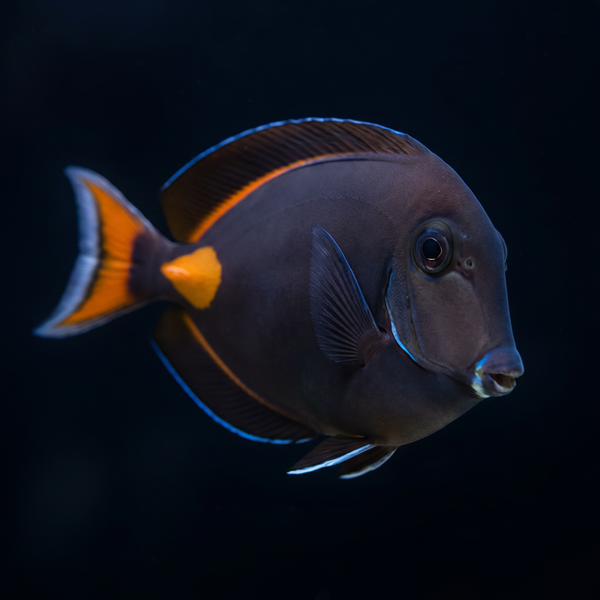
Achilles Tang
Acanthurus achilles

African Coris Wrasse
Coris cuvieri

African Pencil Wrasse
Pseudojuloides polackorum
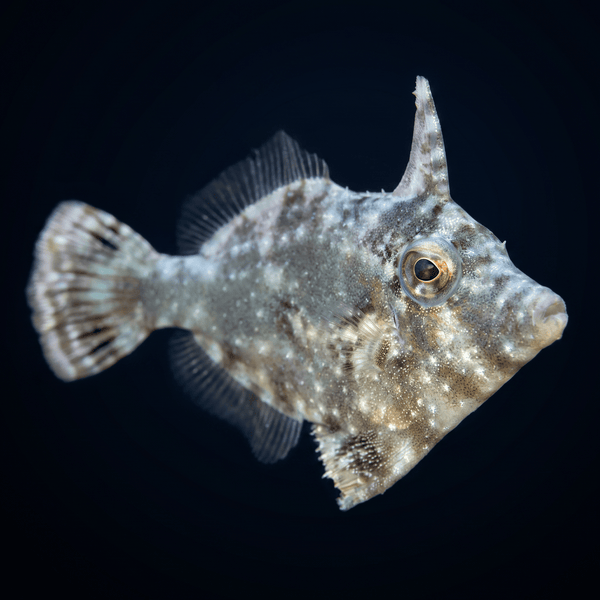
Aiptasia Eating Filefish
Acreichthys tomentosus

Anchor Tusk Wrasse
Choerodon anchorago
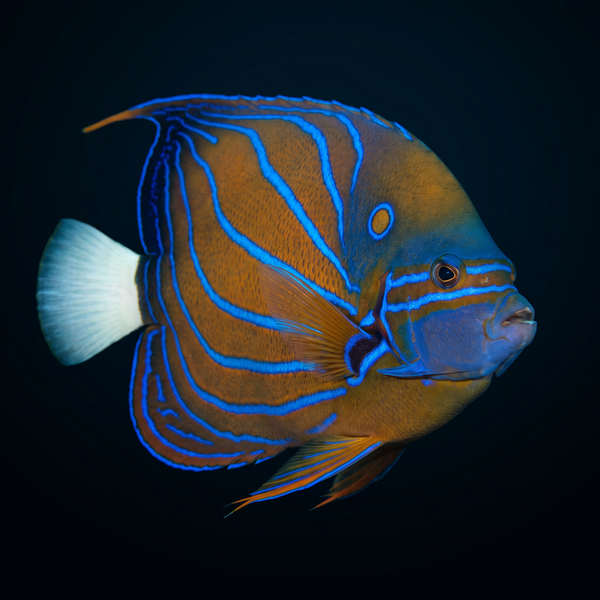
Annularis Angelfish
Pomacanthus annularis

Arc Eye Hawkfish
Paracirrhites arcatus

Argus Wrasse
Halichoeres argus

Armitage Angelfish
Apolemichthys armitagei

Asfur Angelfish
Pomacanthus asfur

Assessor Basslet
Assessor flavissimus

Atlantic Blue Tang
Acanthurus coeruleus

Atlantic Oyster Blenny
Hypleurochilus pseudoaequipinnis

Auriga Butterflyfish
Chaetodon auriga
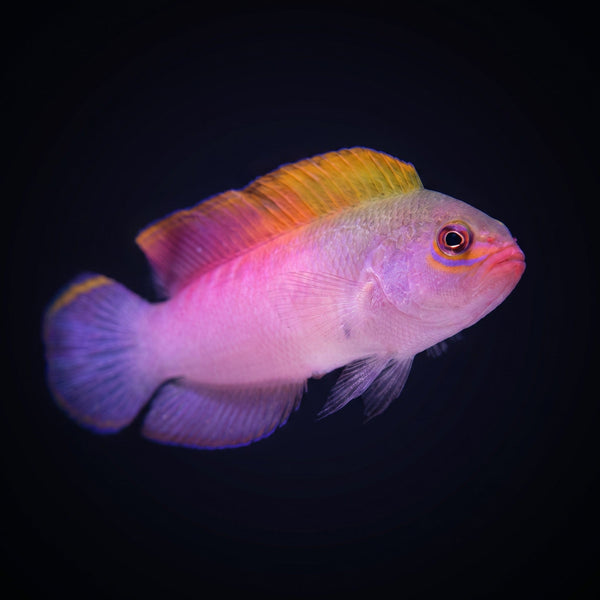
Australian Multi Color Dottyback
Ogilbyina novaehollandiae
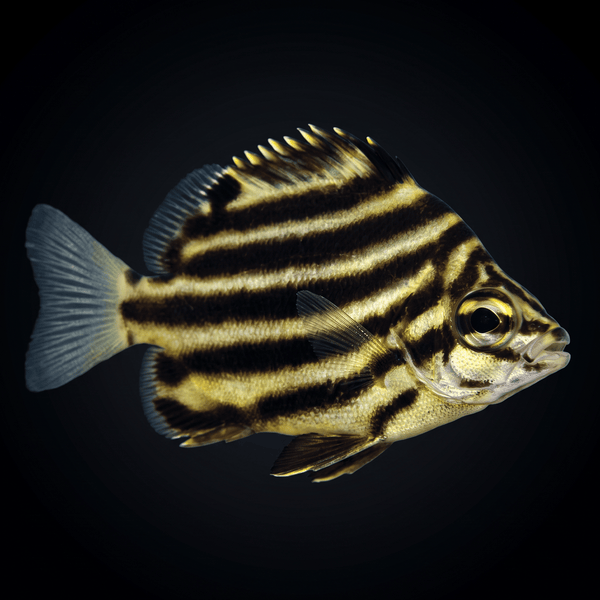
Australian Stripey
Microcanthus strigatus
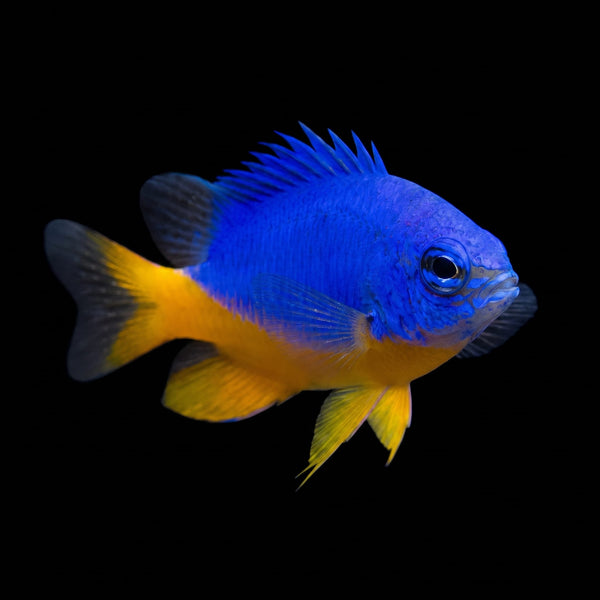
Azure Damsel
Chrysiptera hemicyanea
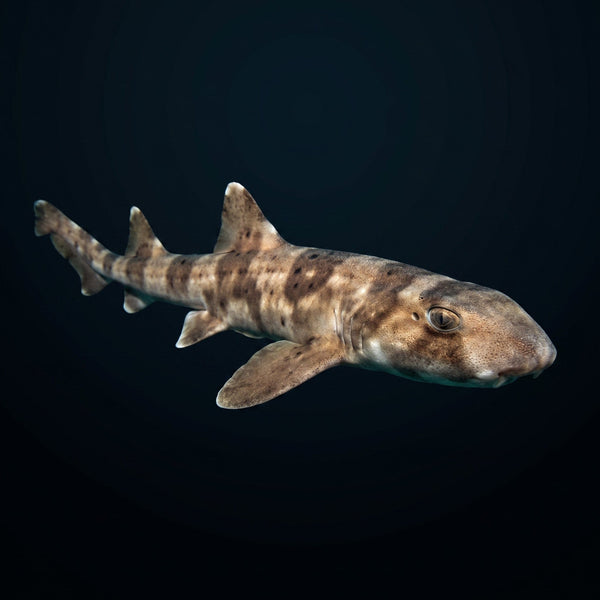
Bamboo Cat Shark
Chiloscyllium punctatum

Banana Wrasse
Thalassoma lutescens

Banded Cat Shark Egg
Chiloscyllium sp. (likely Chiloscyllium punctatum)
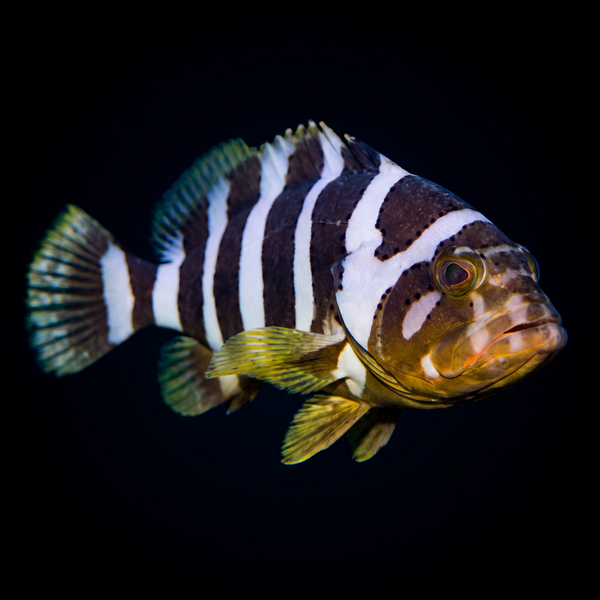
Banded Coral Grouper
Epinephelus amblycephalus

Banded Sleeper Goby
Amblygobius phalaena
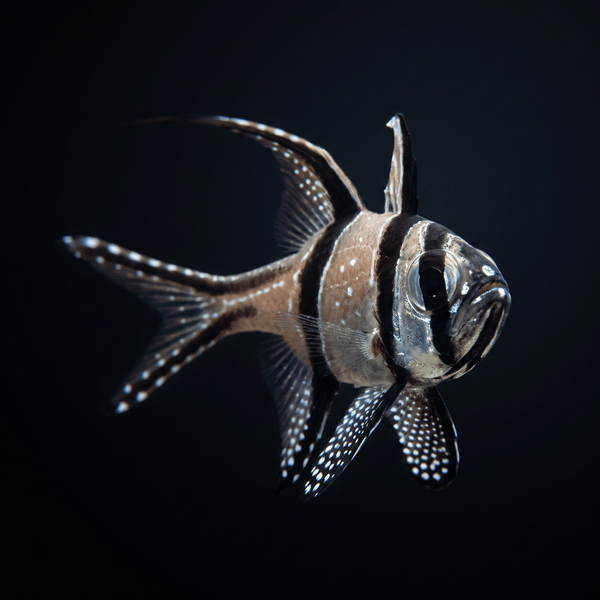
Banggai Cardinalfish
Pterapogon kauderni

Barbonius Anthias
Odontanthias borbonius

Bariene Tang
Acanthurus bariene
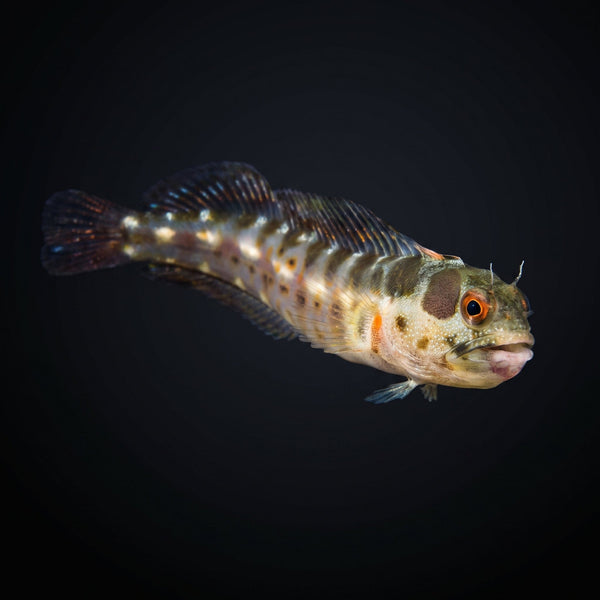
Barnacle Blenny
Acanthemblemaria macrospilus

Barred Serrano
Serranus psittacinus

Barred Thicklip Wrasse
Hemigymnus fasciatus
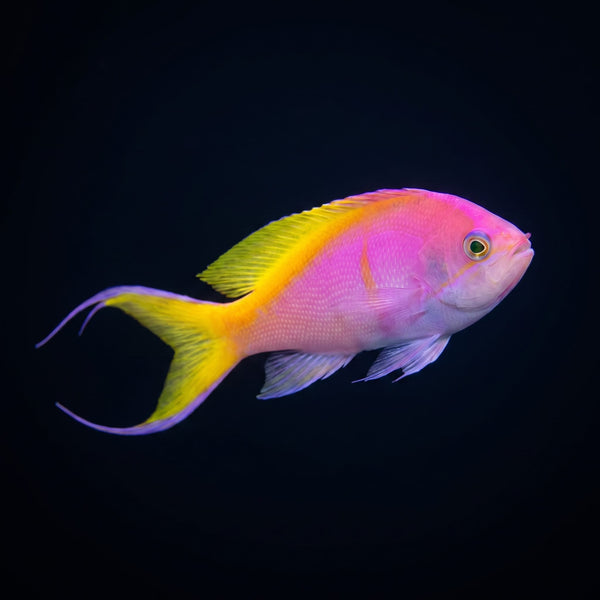
Bartlett’s Anthias
Pseudanthias bartlettorum

Batu Coris Wrasse
Coris batuensis

Beau’s Fairy Wrasse
Cirrhilabrus beauperryi

Bell's Flasher Wrasse
Paracheilinus bellae

Bella Sleeper Goby
Valenciennea bella

Bellus Angelfish - Male
Genicanthus bellus
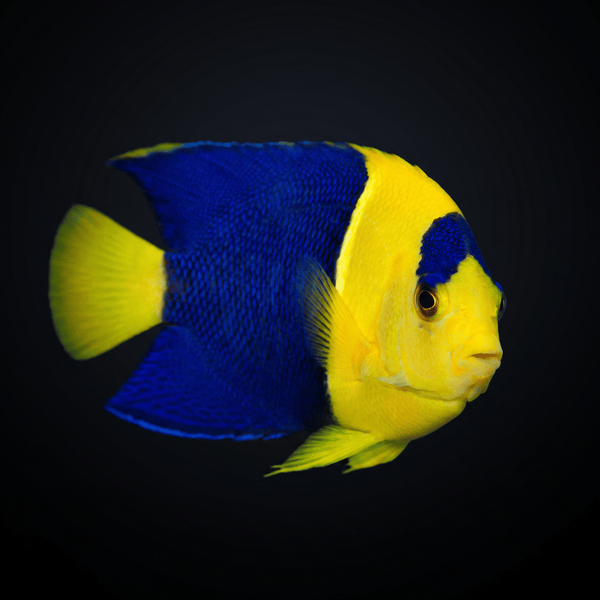
Bicolor Angelfish
Centropyge bicolor
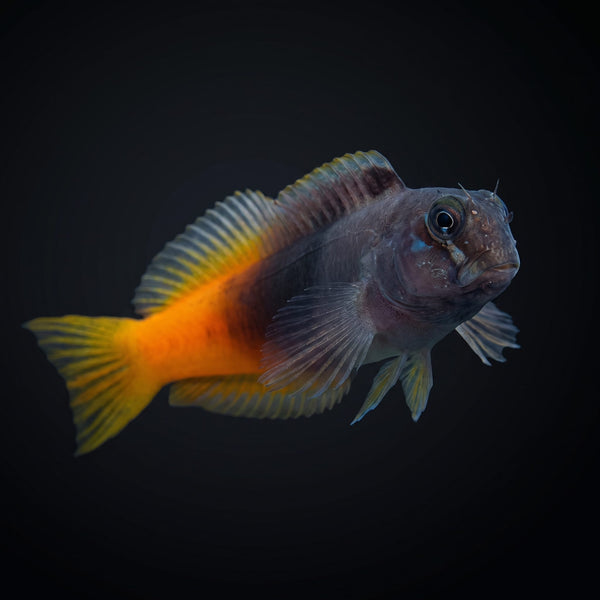
Bicolor Blenny
Ecsenius bicolor

Bicolor Chromis
Pycnochromis margaritifer

Bicolor Cleaner Wrasse
Labroides bicolor
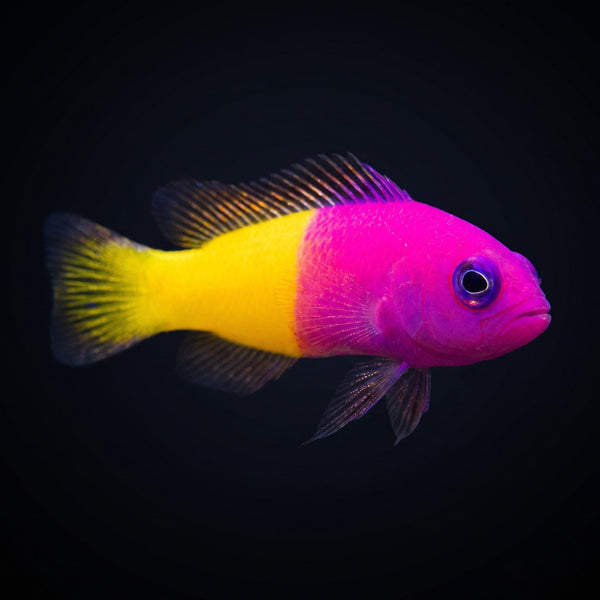
Bicolor Dottyback
Pictichromis paccagnellae

Bicolor Goatfish
Parupeneus barberinoides

Bicolor Parrotfish
Cetoscarus bicolor
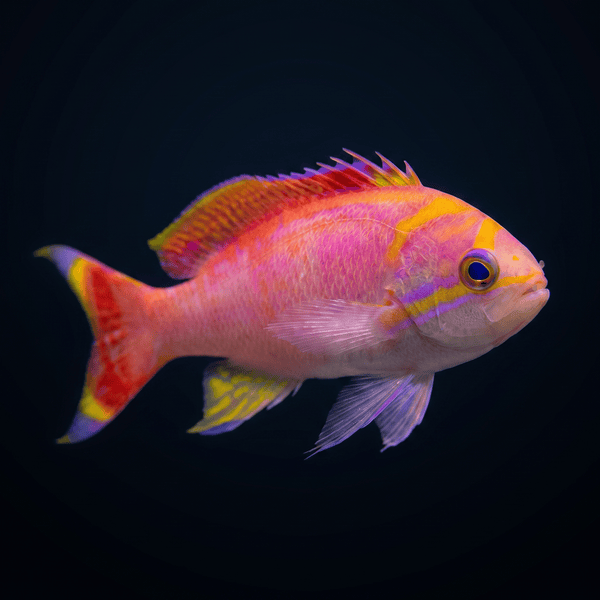
Bimaculatus Anthias
Pseudanthias bimaculatus

Black and Gold Chromis
Neoglyphidodon nigroris

Black & White Heniochus Butterflyfish
Heniochus acuminatus

Black Back Butterflyfish
Chaetodon melannotus

Black Cap Jawfish
Opistognathus randalli

Black Damsel
Neoglyphidodon melas

Black Helmet Picasso Clownfish
Amphiprion percula
Research saltwater aquarium fish before choosing a species
This saltwater fish guide is designed for identification, care research, and compatibility planning. Search by a common or scientific name, browse familiar families, or open the complete profile index to compare marine fish across the full glossary. Each species profile summarizes the practical questions aquarists ask first: adult size, minimum tank size, temperament, diet, reef safety, and general care level.
A fish that is hardy in one system may still be a poor fit in another. Tank dimensions, swimming behavior, feeding competition, aquascape, and existing livestock all affect the outcome. Use the glossary to create a shortlist, then confirm that the aquarium can support the fish at its adult size rather than selecting only for its size at purchase.
Compare tank size, behavior, and compatibility
Minimum tank recommendations are a starting point. Active open-water swimmers may need more horizontal room than a similarly sized fish that remains near a burrow or rock ledge. Territorial species also benefit from visual barriers and enough separate habitat to avoid constant conflict. When planning a community, compare where each fish lives, how it feeds, and whether it is likely to defend the same area.
Temperament labels simplify a spectrum of behavior. Individual fish vary, and aggression can increase with maturity, crowding, or the addition of close relatives. Introduce livestock in a deliberate order, avoid combining species that compete for exactly the same niche, and have a plan if a new arrival is persistently bullied. Our focused guides for tangs, wrasses, gobies, clownfish, and angelfish make family-level comparisons easier.
Understand reef safety and feeding needs
“Reef safe” is not a guarantee that every individual will ignore every coral or invertebrate. Some fish are generally compatible with corals but may eat ornamental shrimp, snails, worms, or other small animals. Others are considered reef safe with caution because nipping risk changes by species, individual, diet, and aquarium conditions. Read the profile notes and judge reef safety against the animals actually kept in your system.
Diet is equally important. A fish may accept prepared foods yet still need frequent feeding, mature live rock, algae to graze, or a dependable population of copepods. Confirm the food type and feeding frequency before purchase. Observe new fish eating, offer appropriate variety, and avoid assuming that a general community food meets every specialized requirement.
Use quarantine and observation to protect the aquarium
Research cannot replace a sound introduction process. Prepare an appropriate quarantine or observation plan, match temperature and salinity during acclimation, and watch breathing, swimming, skin, fins, and appetite. Adding one carefully selected fish is easier to evaluate than making several changes at once. The saltwater fish quarantine guide provides a step-by-step overview.
Common names can describe more than one regional species, and juvenile coloration may look very different from the adult pattern. Use body shape, fin shape, markings, and scientific name together when identifying a fish. A correct identification matters because two visually similar fish can have different adult sizes, diets, and compatibility risks.
After introduction, keep notes on feeding response, growth, and interactions. Early warning signs include hiding that does not improve, rapid breathing, weight loss despite feeding, damaged fins, or being excluded from food. Review the profile and recent aquarium changes, but seek qualified aquatic veterinary guidance when symptoms suggest disease rather than attempting treatment from appearance alone.
Browse the profiles below to identify fish and compare care requirements. If you are ready to shop after completing the research, visit the saltwater fish collection. For a shorter starting list, the beginner saltwater fish guide explains why some commonly available species are more manageable in a first marine aquarium.
Browse every profile Profiles with images
- Achilles TangAcanthurus achilles
- African Coris WrasseCoris cuvieri
- African Pencil WrassePseudojuloides polackorum
- Aiptasia Eating FilefishAcreichthys tomentosus
- Anchor Tusk WrasseChoerodon anchorago
- Annularis AngelfishPomacanthus annularis
- Arc Eye HawkfishParacirrhites arcatus
- Argus WrasseHalichoeres argus
- Armitage AngelfishApolemichthys armitagei
- Asfur AngelfishPomacanthus asfur
- Assessor BassletAssessor flavissimus
- Atlantic Blue TangAcanthurus coeruleus
- Atlantic Oyster BlennyHypleurochilus pseudoaequipinnis
- Auriga ButterflyfishChaetodon auriga
- Australian Multi Color DottybackOgilbyina novaehollandiae
- Australian StripeyMicrocanthus strigatus
- Azure DamselChrysiptera hemicyanea
- Bamboo Cat SharkChiloscyllium punctatum
- Banana WrasseThalassoma lutescens
- Banded Cat Shark EggChiloscyllium sp. (likely Chiloscyllium punctatum)
- Banded Coral GrouperEpinephelus amblycephalus
- Banded Sleeper GobyAmblygobius phalaena
- Banggai CardinalfishPterapogon kauderni
- Barbonius AnthiasOdontanthias borbonius
- Bariene TangAcanthurus bariene
- Barnacle BlennyAcanthemblemaria macrospilus
- Barred SerranoSerranus psittacinus
- Barred Thicklip WrasseHemigymnus fasciatus
- Bartlett’s AnthiasPseudanthias bartlettorum
- Batu Coris WrasseCoris batuensis
- Beau’s Fairy WrasseCirrhilabrus beauperryi
- Bell's Flasher WrasseParacheilinus bellae
- Bella Sleeper GobyValenciennea bella
- Bellus Angelfish - MaleGenicanthus bellus
- Bicolor AngelfishCentropyge bicolor
- Bicolor BlennyEcsenius bicolor
- Bicolor ChromisPycnochromis margaritifer
- Bicolor Cleaner WrasseLabroides bicolor
- Bicolor DottybackPictichromis paccagnellae
- Bicolor GoatfishParupeneus barberinoides
- Bicolor ParrotfishCetoscarus bicolor
- Bimaculatus AnthiasPseudanthias bimaculatus
- Black and Gold ChromisNeoglyphidodon nigroris
- Black & White Heniochus ButterflyfishHeniochus acuminatus
- Black Back ButterflyfishChaetodon melannotus
- Black Cap JawfishOpistognathus randalli
- Black DamselNeoglyphidodon melas
- Black Helmet Picasso ClownfishAmphiprion percula
- Black Leopard WrasseMacropharyngodon negrosensis
- Black Longnose TangZebrasoma rostratum
- Black Nox Dwarf AngelfishCentropyge nox
- Black Ocellaris ClownfishAmphiprion ocellaris
- Black Phantom AngelfishChaetodontoplus melanosoma
- Blue Ribbon EelRhinomuraena quaesita
- Black Storm ClownfishAmphiprion ocellaris (Black Storm Variant)
- Black TriggerfishMelichthys indicus
- Black Velvet AngelfishChaetodontoplus melanosoma
- Blackcap BassletGramma melacara
- Blackfin Fairy WrasseCirrhilabrus melanomarginatus
- Blonde Naso TangNaso elegans
- Blue & Yellow Cod GrouperEpinephelus flavocaeruleus
- Blue AngelfishHolacanthus bermudensis
- Blue Dot GrouperCephalopholis argus
- Blue Dot Sleeper GobyValenciennea sexguttata
- Blue Face AngelfishPomacanthus xanthometopon
- Blue Flasher WrasseParacheilinus cyaneus
- Blue Gudgeon DartfishPtereleotris heteroptera
- Blue Hippo TangParacanthurus hepatus
- Blue Jaw TilefishHoplolatilus starcki
- Blue Jaw TriggerfishXanthichthys auromarginatus
- Blue Line AngelfishChaetodontoplus septentrionalis
- Blueline SnapperLutjanus kasmira
- Blue-Lip Bristletooth TangCtenochaetus cyanocheilus
- Blue Reef ChromisChromis cyanea
- Blue Spotted JawfishOpistognathus rosenblatti
- Fiji Blue Spotted PufferCanthigaster solandri
- Blue Spotted WrasseAnampses caeruleopunctatus
- Blue Stripe ClownfishAmphiprion chrysopterus
- Blue Throat Fairy WrasseCirrhilabrus cyanogularis
- Bluetail UnicornfishNaso caeruleacauda
- Blue Unicorn FishNaso brevirostris
- Bluehead WrasseThalassoma bifasciatum
- Bluesided Fairy WrasseCirrhilabrus cyanopleura
- Bluestripe PipefishDoryrhamphus excisus
- Boenacki (Blueline) GrouperCephalopholis boenak
- Broomtail WrasseCheilinus lunulatus
- Brown Bird WrasseGomphosus varius
- Bursa TriggerfishSufflamen bursa
- Canary BlennyMeiacanthus oualanensis
- Canarytop WrasseHalichoeres leucoxanthus
- Candy BassletLiopropoma carmabi
- Candy Pencil WrassePseudojuloides cerasinus
- Golden Red Aurantia AngelfishCentropyge aurantia
- Harlequin TuskChoerodon fasciatus
- Carberryi AnthiasNemanthias carberryi
- Caribbean Sharpnose PufferfishCanthigaster rostrata
- Carpenter Flasher WrasseParacheilinus carpenteri
- Catalina GobyLythrypnus dalli
- Cave BassletLiopropoma mowbrayi
- Chainlink EelEchidna catenata
- Chalk BassletSerranus tortugarum
- Chameleon WrasseHalichoeres dispilus
- Checkered PufferSphoeroides testudineus
- Cherry AnthiasSacura margaritacea
- Chevron TangCtenochaetus hawaiiensis
- China Pearl WrasseAnampses neoguinaicus
- Choat's Red Leopard WrasseMacropharyngodon choati
- Christmas WrasseHalichoeres claudia
- Chrysurus AngelfishPomacanthus chrysurus
- Circus GobyPriolepis nocturna
- Citron GobyGobiodon citrinus
- Clarkii ClownfishAmphiprion clarkii
- Clown TangAcanthurus lineatus
- Clown TriggerfishBalistoides conspicillum
- Clown WrasseHalichoeres maculipinna
- Cockerel WrassePteragogus enneacanthus
- Coco Peel AngelfishCentropyge cocosensis
- Bluestreak Cleaner WrasseLabroides dimidiatus
- Conde’s Fairy WrasseCirrhilabrus condei
- Convict TangAcanthurus triostegus
- Copperband ButterflyfishChelmon rostratus
- Coral Beauty AngelCentropyge bispinosa
- Coral Spotted Axillaris HogfishBodianus axillaris
- Cortez Angelfish - AdultPomacanthus zonipectus
- Court Jester GobyKoumansetta rainfordi
- Creole WrasseClepticus parrae
- Crested Oyster GobyCryptocentroides gobioides
- Crimson Manybar GoatfishParupeneus multifasciatus
- Pink Streaked WrassePseudocheilinops ataenia
- Curious WormfishGunnellichthys curiosus
- Damperia DottybackLabracinus cyclophthalmus
- Deb's Blue Velvet AngelfishCentropyge deborae
- Declivis ButterflyfishChaetodon declivis
- Decolores WrassePseudojuloides severnsi
- Desjardini Sailfin TangZebrasoma desjardinii
- Diadem DottybackPseudochromis diadema
- Diamond Watchman GobyValenciennea puellaris
- Dispar AnthiasPseudanthias dispar
- Doctorfish TangAcanthurus chirurgus
- Dogface PufferArothron nigropunctatus
- Domino DamselDascyllus trimaculatus
- Double Saddle ButterflyfishChaetodon ulietensis
- Dracula GobyStonogobiops dracula
- Dragon WrasseNovaculichthys taeniourus
- Dragonface PipefishCorythoichthys haematopterus
- Dusky AngelfishCentropyge multispinis
- Dusky Brunneus Fairy WrasseCirrhilabrus brunneus
- Dussumier TangAcanthurus dussumieri
- Dwarf SeahorseHippocampus zosterae
- Earle's Fairy WrasseCirrhilabrus earlei
- Earmuff WrasseHalichoeres melasmapomus
- Eclipse HogfishBodianus mesothorax
- Eight Lined WrassePseudocheilinus octotaenia
- Ember BlennyCirripectes stigmaticus
- Engineer GobyPholidichthys leucotaenia
- Epaulette SharkHemiscyllium ocellatum
- Epaulette TangAcanthurus nigricauda
- Evansi AnthiasPseudanthias evansi
- Exquisite Fairy WrasseCirrhilabrus exquisitus
- Exquisite FirefishNemateleotris exquisita
- Fairy Lineatus WrasseCirrhilabrus lineatus
- Falco HawkfishCirrhitichthys falco
- False Personifer AngelfishChaetodontoplus meredithi
- False Yellow Spotted Watchman GobyCryptocentrus sp. (cf. cinctus)
- Fan Belly Leatherjacket FilefishMonacanthus chinensis
- Fantail FilefishPervagor spilosoma
- Fathead Sunburst AnthiasSerranocirrhitus latus
- Femininus Candycane WrasseAnampses femininus
- Fiji Blue Devil DamselChrysiptera taupou
- Fiji Foxface RabbitfishSiganus uspi
- Filamented Flasher WrasseParacheilinus filamentosus
- Filamented Sand Eel Diver BlennyTrichonotus setiger
- Fine Spotted Fairy WrasseCirrhilabrus punctatus
- Finespotted Comet Marine BettaCalloplesiops argus
- FirefishNemateleotris magnifica
- Flagfin AngelfishApolemichthys trimaculatus
- Flame CardinalfishApogon maculatus
- Flame Dwarf AngelfishCentropyge loriculus
- Flame Fin Tomini Bristletooth TangCtenochaetus tominiensis
- Flame HawkfishNeocirrhites armatus
- Flameback Dwarf AngelfishCentropyge acanthops
- Flametail BlennyEnchelyurus flavipes
- Flaming Prawn GobyDiscordipinna griessingeri
- Flavianalis YellowParacheilinus flavianalis
- Formosa WrasseAllocoris formosa
- Four Stripe DamselfishDascyllus melanurus
- Fowleri TangAcanthurus fowleri
- Foxface LoSiganus vulpinus
- Freckle Face HawkfishParacirrhites forsteri
- Freckle Face TangAcanthurus maculiceps
- French AngelfishPomacanthus paru
- Frilly RhinopiasRhinopias frondosa
- Fu Manchu LionfishDendrochirus biocellatus
- Garden EelHeteroconger hassi
- Gem TangZebrasoma gemmatum
- Geometric Pygmy HawkfishPlectranthias inermis
- Ghost Ribbon EelPseudechidna brummeri
- Girdled Fairy WrasseCirrhilabrus balteatus
- Glass CardinalfishApogon leptacanthus
- Gold Head Sleeper GobyValenciennea strigata
- Gold Nugget Finspot WrasseXenojulis margaritacea
- Gold Nugget Maroon ClownfishPremnas biaculeatus (Gold Nugget Variant)
- Gold Rim TangAcanthurus nigricans
- Gold Stripe Maroon ClownfishPremnas biaculeatus
- Goldbar WrasseThalassoma hebraicum
- Golden Domino DamselDascyllus auripinnis
- Golden Hawkfish - TahitiParacirrhites xanthus
- Golden Spot HogfishBodianus perditio
- Goldflake AngelfishApolemichthys xanthopunctatus
- Gray AngelfishPomacanthus arcuatus
- Green Banded GobyTigrigobius multifasciatus
- Green Bird WrasseGomphosus varius
- Green ChromisChromis viridis
- Green Coris WrasseHalichoeres chloropterus
- Green Mandarin DragonetSynchiropus splendidus