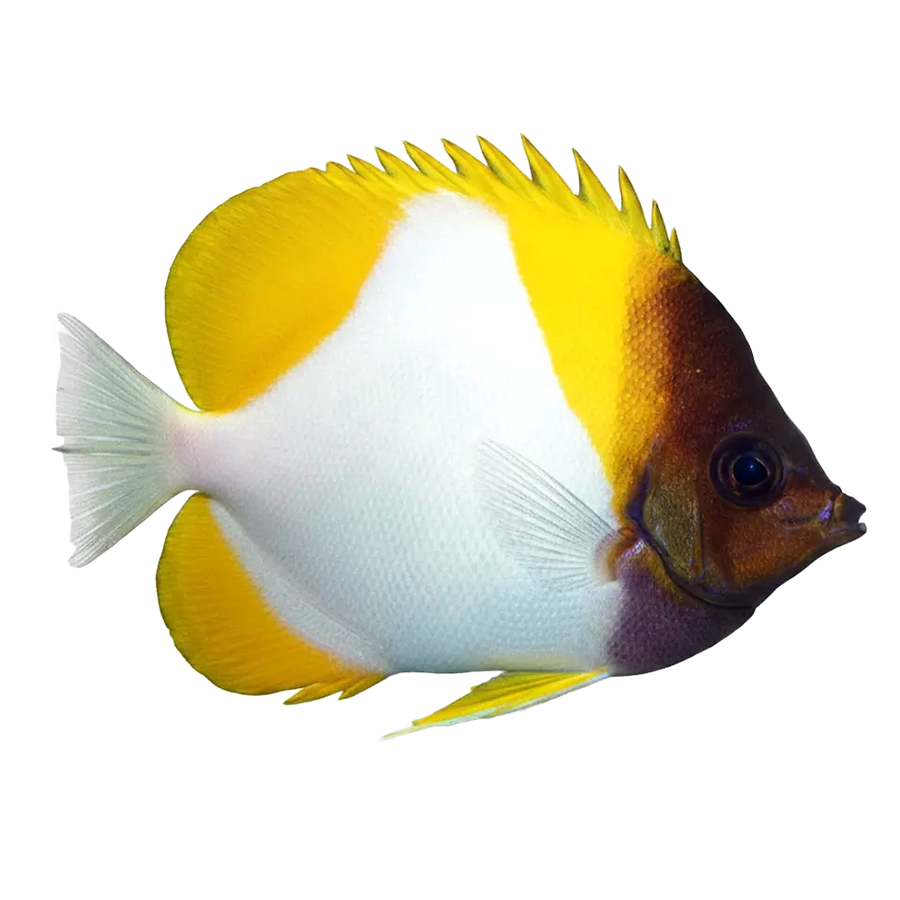
Auriga Butterflyfish

Overview:
The Auriga Butterflyfish, scientifically known as Chaetodon auriga, is a visually striking species that requires specific care to thrive in a home aquarium. They prefer a well-established marine environment with plenty of live rock for grazing and hiding. A tank size of at least 75 gallons is recommended to provide ample swimming space. The water should be maintained at a temperature between 72-78°F, with a pH level of 8.1-8.4 and specific gravity of 1.020-1.025. Strong water movement and efficient filtration are crucial to mimic their natural habitat and maintain water quality.

Compatibility:
Auriga Butterflyfish are generally peaceful but can be territorial, especially in smaller tanks. They do well with other non-aggressive species, such as tangs, gobies, and clownfish. Avoid housing them with aggressive or overly territorial species that may stress them. While they can coexist with other butterflyfish, it's best to introduce them simultaneously to minimize territorial disputes. Be cautious when keeping them with corals, as they may nip at soft corals and anemones, potentially causing damage.

Health and Quarantine:
Ensuring the health of Auriga Butterflyfish involves regular monitoring and preventive care. Quarantine new specimens for at least two weeks before introducing them to the main tank to prevent the spread of diseases. Common health issues include marine ich and bacterial infections, often resulting from stress or poor water quality. Maintain optimal water conditions and provide a balanced diet to boost their immune system. Regularly inspect for signs of illness, such as changes in behavior, appetite, or appearance, and address any issues promptly. If necessary, consult a veterinarian specializing in marine fish for treatment options.

Nori Mysis Finely Chopped Seafood
Auriga Butterflyfish exhibit graceful swimming, often gliding in pairs or small groups. They are generally peaceful, showing low aggression towards other species, but can be territorial within their own kind, especially in confined spaces. These fish are adaptable to various tank environments but thrive with ample swimming space and hiding spots. Compatibility is high with non-aggressive tank mates, though caution is advised with other butterflyfish due to potential territorial disputes. They are active during the day, foraging for food, and retreat to crevices at night.

FAQ

Frequently Asked Questions

About the Auriga Butterflyfish

  • Can I keep an Auriga Butterflyfish in a reef tank, and if so, which corals are at the highest risk of being eaten?
    Auriga Butterflyfish are generally not reef safe. They are strong pickers and will usually go after large-polyp stony (LPS) corals such as acans, scolies, euphyllia (hammers, torches, frogspawn), and open brains, as well as many soft corals like zoanthids and fleshy leathers. They also frequently nip at clam mantles and feather dusters. Small-polyp stony (SPS) corals can sometimes be less attractive to them, but there is no guarantee; individuals vary, and many will still graze on SPS polyps. If you try them in a reef, you should be prepared to remove either the fish or the corals if nipping becomes persistent.
  • My new Auriga Butterflyfish is ignoring prepared foods and only picking at rocks; how do I get it to start eating in captivity?
    Newly imported Auriga Butterflyfish often rely on natural grazing and may not recognize prepared foods at first. Start with live or very enticing foods such as live blackworms, live brine shrimp (enriched), and frozen mysis shrimp. Offer small, frequent feedings and keep flow gentle when feeding so food stays in the water column longer. You can rubber-band fresh clam or mussel meat (on the half shell) and raw shrimp to a rock to stimulate natural picking behavior. Over several days, gradually mix in finely chopped seafood, high-quality frozen angel/butterfly blends, and finally small pellets soaked in garlic or vitamin supplements. Make sure there is mature live rock with natural growth to support grazing while it learns to accept prepared food.
  • How large a tank does an adult Auriga Butterflyfish really need, and what aquascape layout suits its swimming and grazing behavior?
    Although they are sometimes sold as suitable for 75-gallon tanks, an adult Auriga Butterflyfish is an active swimmer that does best in at least 120 gallons (4 feet long minimum, 5–6 feet preferred). They cruise constantly, picking at rock surfaces, so provide long, open swimming lanes with rock structures arranged as islands or a shallow wall rather than a solid, tall “wall of rock.” Include multiple arches and overhangs so the fish can retreat if stressed, but avoid cramped mazes that force sharp turns. A moderate amount of established live rock with ample surface area for algae and invertebrate growth will support natural foraging, which keeps them calmer and in better condition.
  • Is it safe to keep more than one Auriga Butterflyfish together, and what tankmates work best or should be avoided?
    In home aquaria, Auriga Butterflyfish are usually kept singly. They can be aggressive to conspecifics and similar butterflyfish, especially in smaller tanks. In very large systems (220 gallons and up), you can sometimes keep a pair or small group if they are introduced together and there are multiple rock structures to establish territories, but success is not guaranteed. As for tankmates, they generally do well with peaceful to moderately assertive community fish like tangs, wrasses, and peaceful angelfish. Avoid very aggressive species (large triggers, large damsels, overly dominant tangs) that may outcompete or bully them, as well as very tiny, delicate fish that could be harassed by constant picking. Also avoid housing them with other butterfly species that share similar patterns and feeding niches unless the tank is very large.
  • Why does my Auriga Butterflyfish’s dorsal “banner” sometimes look shorter or frayed, and is this a health concern?
    The elongated dorsal filament on Auriga Butterflyfish is easily damaged during capture, shipping, or rough contact with rockwork and tankmates. A shortened or frayed banner is common and does not necessarily indicate poor health, as long as the fin tissue is clear (not cloudy) and free of redness, white fuzzy growth, or ragged edges from fin rot. Good water quality, low aggression, and a vitamin-rich, varied diet will allow the fin to heal and regrow to some extent, though it may never look as long or perfect as in wild specimens. If you see rapid deterioration, redness at the fin base, or the fish clamping its fins and breathing heavily, check for bacterial or parasitic disease and address water quality immediately.