
Saltwater Tang Species & Care
Compare saltwater tang species by adult size, tank requirements, diet, temperament, and reef compatibility.

Tangs for Sale


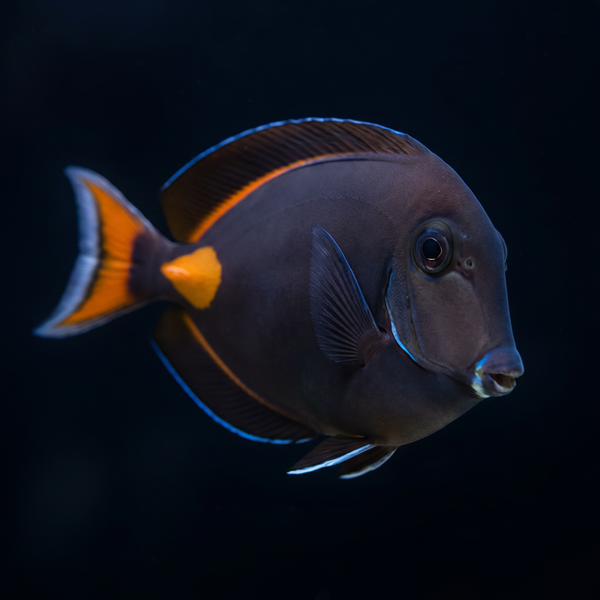
Achilles Tang
Acanthurus achilles

Atlantic Blue Tang
Acanthurus coeruleus

Bariene Tang
Acanthurus bariene

Black Longnose Tang
Zebrasoma rostratum

Blonde Naso Tang
Naso elegans

Blue Hippo Tang
Paracanthurus hepatus

Bluetail Unicornfish
Naso caeruleacauda

Blue Unicorn Fish
Naso brevirostris

Chevron Tang
Ctenochaetus hawaiiensis

Clown Tang
Acanthurus lineatus

Convict Tang
Acanthurus triostegus

Desjardini Sailfin Tang
Zebrasoma desjardinii

Doctorfish Tang
Acanthurus chirurgus

Dussumier Tang
Acanthurus dussumieri

Epaulette Tang
Acanthurus nigricauda

Flame Fin Tomini Bristletooth Tang
Ctenochaetus tominiensis

Fowleri Tang
Acanthurus fowleri

Freckle Face Tang
Acanthurus maculiceps

Gem Tang
Zebrasoma gemmatum

Gold Rim Tang
Acanthurus nigricans
Compare tang species before adding one to a reef aquarium
Tangs are active marine fish known for grazing behavior, laterally compressed bodies, and the sharp caudal “scalpel” that gives surgeonfish their name. They are not interchangeable: adult size, swimming space, temperament, and feeding behavior vary by species. Use this page to compare tang profiles, then confirm that the aquarium has the dimensions and long-term capacity required by the adult fish.
Plan for swimming room and territorial behavior
Horizontal swimming space and open routes through the aquascape matter as much as gallons. Many tangs become more territorial as they mature, especially toward fish with a similar body shape or feeding niche. Introduce combinations cautiously, provide visual breaks, and avoid relying on juvenile size when planning the final stocking list.
Support steady grazing and varied nutrition
Offer a varied marine diet appropriate to the species, including regular access to algae-based foods for herbivorous grazers. Natural film algae can supplement feeding but rarely replaces a dependable routine. Watch body condition and feeding competition, and quarantine new arrivals with a plan suited to saltwater fish. The complete tang care guide covers housing and introduction in greater detail.
Open the profiles below for species-specific tank size, temperament, reef-safety, and diet notes, or return to the full saltwater fish glossary to compare tangs with other marine fish families.
Browse saltwater tang profiles
Open a profile for identification and species-specific care details.
- Achilles Tang
- Black Longnose Tang
- Blonde Naso Tang
- Clown Tang
- Gem Tang
- Hybrid Achilles–White Cheek Tang
- Lieutenant Tang
- Mimic Half Black Tang
- Naso Tang
- Powder Blue Tang
- Powder Brown Tang
- Purple Tang
- Sailfin Tang
- Scopas Tang
- Short Tail Bristletooth Tang
- Sohal Tang
- Two Spot Bristletooth Tang
- Vlamingii Tang
- Whitetail Bristletooth Tang
- Yellow Tang
Browse every profile Profiles with images
- Achilles TangAcanthurus achilles
- Atlantic Blue TangAcanthurus coeruleus
- Bariene TangAcanthurus bariene
- Black Longnose TangZebrasoma rostratum
- Blonde Naso TangNaso elegans
- Blue Hippo TangParacanthurus hepatus
- Bluetail UnicornfishNaso caeruleacauda
- Blue Unicorn FishNaso brevirostris
- Chevron TangCtenochaetus hawaiiensis
- Clown TangAcanthurus lineatus
- Convict TangAcanthurus triostegus
- Desjardini Sailfin TangZebrasoma desjardinii
- Doctorfish TangAcanthurus chirurgus
- Dussumier TangAcanthurus dussumieri
- Epaulette TangAcanthurus nigricauda
- Flame Fin Tomini Bristletooth TangCtenochaetus tominiensis
- Fowleri TangAcanthurus fowleri
- Freckle Face TangAcanthurus maculiceps
- Gem TangZebrasoma gemmatum
- Gold Rim TangAcanthurus nigricans