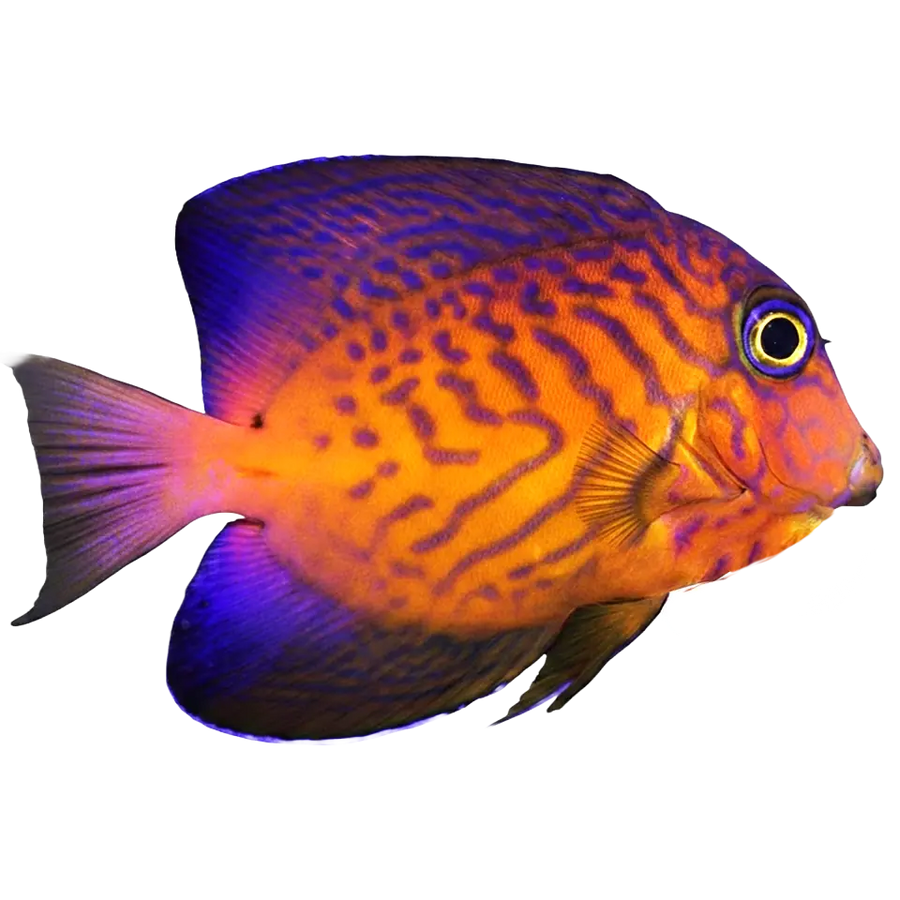
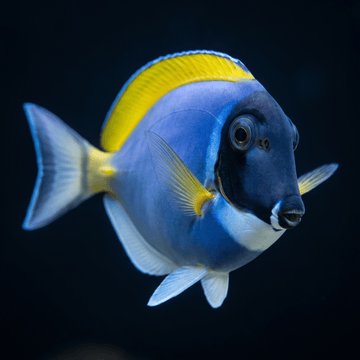
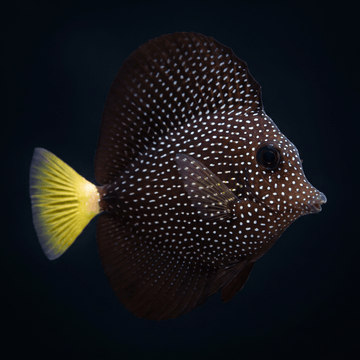
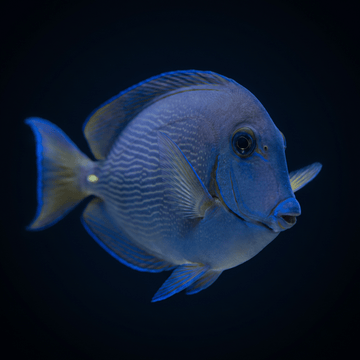
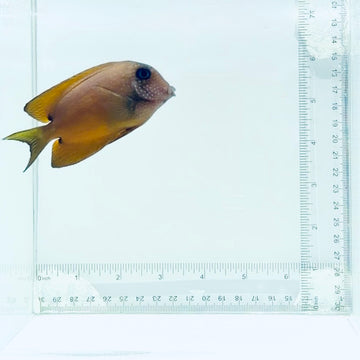
Blonde Naso Tang

Overview:
The Naso Blonde Tang, particularly the male with streamer, is a vibrant and active marine fish known for its striking appearance and dynamic behavior. To ensure optimal health, this species requires a spacious aquarium of at least 125 gallons, as they are active swimmers. The ideal habitat should mimic their natural reef environment, with plenty of live rock for grazing and hiding spots. Water conditions should be maintained with a temperature range of 72-78°F, pH between 8.1-8.4, and specific gravity of 1.020-1.025. Regular water changes and efficient filtration are crucial to maintain high water quality.

Compatibility:
Naso Blonde Tangs are generally peaceful but can become territorial, especially in smaller tanks. They are best kept with other non-aggressive species. Avoid housing them with other tangs unless the aquarium is large enough to accommodate multiple territories. Compatible tankmates include peaceful wrasses, clownfish, and gobies. Introduce them to the tank last to minimize territorial disputes. Monitor interactions closely, especially during the initial introduction period, to ensure harmony within the tank.

Health and Quarantine:
Regular health monitoring is essential for the Naso Blonde Tang. They are susceptible to common marine diseases such as ich and marine velvet. Quarantine new additions for at least 2-4 weeks before introducing them to the main tank to prevent disease transmission. During quarantine, observe for any signs of illness and treat accordingly. Maintain optimal water quality and a stress-free environment to bolster their immune system. Regularly inspect for any signs of stress or disease, such as changes in behavior or appearance, and address issues promptly to ensure their well-being.

Nori Pellets Mysis
The Naso Blonde Tang (Naso elegans), especially the male with streamer, is an active swimmer that requires a large tank of at least 180 gallons. They are social yet semi-aggressive, often swimming in the middle to upper tank levels. In the wild, they form small groups, and in captivity, they can be housed with other tangs or similarly sized fish. Territoriality can be an issue in smaller tanks or with similar species, so providing ample space and hiding spots is crucial. They are reef-safe and compatible with a variety of other fish, including other tangs and larger reef-safe species. Their diet should include macroalgae, nori, and meaty frozen foods to ensure health and vibrant coloration.

FAQ

Frequently Asked Questions

About the Blonde Naso Tang

  • My male Naso Blonde Tang’s tail streamer is still short and ragged even though he’s eating and active. What specific conditions are needed for the streamer to grow long and stay intact?
    Streamer growth is strongly linked to age, size, and stable, high-quality conditions. Males usually develop a full streamer after about 6–7" body length (not counting tail) and once they’re past juvenile/subadult. To support growth: - Give ample swimming space (minimum 6' long tank, ideally 180+ gallons) with high, laminar flow so the fish can cruise constantly. - Keep water ultra-stable and clean: temp 76–78°F, salinity 1.025–1.026, pH 8.1–8.4, nitrate <15 ppm, phosphate low but not zero. - Avoid sharp rock edges and cramped rockwork that force tight turns, which can fray the streamer. - Minimize aggression from other tangs or nippers (e.g., angels, triggers, some wrasses) that might target the tail. - Feed a highly varied diet rich in marine algae and quality frozen foods to support fin growth and coloration: nori (red/green), spirulina-based pellets, mysis, and enriched brine as a treat. If all of this is correct and you still see a short streamer, it may simply be that the fish isn’t fully mature yet or has some genetic limitation. Growth can be slow and gradual over many months.
  • My male Blonde Naso changes color dramatically at night, going blotchy and pale with dark patches near the dorsal area. Is this normal, and how can I tell stress patterns from normal nighttime coloration?
    This species has strong color-changing ability, so a blotchy, “camo” pattern at night or when resting is normal. Normal night pattern: - Body becomes duller gray-brown. - Distinct mottling or patches, especially along the dorsal surface and around the head. - Yellow tones on the dorsal fin and tail border fade. This should appear gradually as lights dim and reverse after lights come on, with the fish swimming normally and breathing calmly. Stress coloration is different: - Appears suddenly during the day (not linked to light cycle). - Accompanied by rapid breathing, clamped fins, frantic swimming, hiding, or hovering in corners. - May show very dark, almost “bruised” patches near the gills or midbody. If color changes happen mostly with lights out and the fish resumes normal bold colors and behavior within 30–60 minutes of lights on, it’s normal. Sudden daytime blotching plus abnormal breathing/behavior suggests a stressor like aggression, poor water quality, or low oxygen that you should address.
  • My male Blonde Naso constantly grazes but is getting a slightly sunken belly and the forehead “bump” looks less full. What specific diet issues are common with this species, and how can I correct them?
    Males are big, high-metabolism swimmers and often underfed in captivity despite “constant grazing.” Common issues: - Too little macroalgae and too many low-nutrient flake foods. - Infrequent feedings for such a large grazer. - Lack of marine-origin fats and vitamins leading to muscle loss and a hollow-looking head profile. To correct it: - Feed 3–4 times daily in smaller portions instead of 1–2 larger feedings. - Provide multiple sheets of nori clipped in different spots so he can graze naturally. Prioritize red and green nori over land-plant veggies. - Add a high-quality, algae-based pellet (e.g., spirulina, marine herbivore formulas) as a staple. - Supplement with meaty marine foods several times a week: mysis, chopped clam, krill, and quality frozen blends, not just brine shrimp. - Soak foods in a marine vitamin supplement and occasional garlic to support appetite and immune function. Within a few weeks of consistent, heavier feeding and better variety, you should see a fuller belly, more rounded “forehead,” and stronger coloration.
  • My male Blonde Naso is peaceful with most tankmates but relentlessly chases other tangs added after him, especially those with similar body shape. How can I successfully add or reorganize tangs around a dominant male Naso without constant fighting?
    Adult males are very status-driven, especially in tanks under about 300 gallons. To manage aggression: - Choose tankmates carefully: avoid adding other Naso species or similarly shaped, large tangs (e.g., other Acanthurus with long bodies) after him. Zebrasoma and Ctenochaetus sometimes work better if space allows. - If you must add new tangs, add them in a small group at the same time rather than singly; this spreads aggression. - Temporarily rearrange rockwork just before adding new fish; this disrupts established territories. - Use acclimation boxes so the Naso can see but not physically attack the newcomer for several days. - Feed heavily and frequently during the introduction period to reduce resource-based aggression. - Ensure very strong, directional flow and lots of open swimming room, plus multiple escape routes and caves. If aggression remains intense (tail-slapping, severe fin damage, constant chasing), you may need to remove either the Naso or the new tang, as a dominant mature male can be extremely persistent in a confined space.
  • My Blonde Naso male in a reef tank is starting to pick at fleshy LPS corals and clam mantles, but only sometimes. Is this species reef-safe long term, and are there ways to reduce coral nipping behavior?
    Naso Blonde Tangs are often labeled “usually reef safe,” but large, mature males sometimes experiment with corals, especially if underfed or bored. They’re more likely to nip: - Fleshy LPS (acans, lobophyllia, scolies, open brains). - Clams, especially the mantle edges. To reduce nipping: - Increase frequency and variety of feeding (3–4 times daily). Make sure he never goes long periods hungry. - Keep multiple nori clips available for near-constant grazing. - Provide chunky, satisfying meals (mysis, clam, krill) to reduce interest in fleshy corals. - Ensure the fish has plenty of swimming room and flow; cramped or dull environments can lead to exploratory picking. Some individuals will always show interest in certain corals, and once they develop a taste for them, it can be hard to stop completely. If nipping continues despite better feeding and environment, you may have to choose between that specific coral type (or clams) and the Naso.