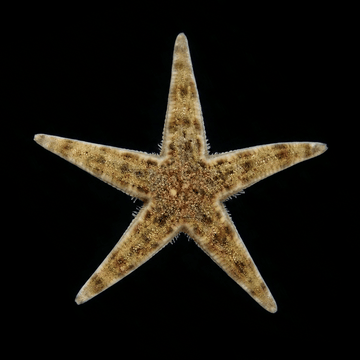
Banded Sleeper Goby saltwater fish care guide

Overview:
The Banded Sleeper Goby, known for its striking appearance and peaceful demeanor, thrives in a well-maintained aquarium environment. This species requires a tank of at least 30 gallons, with a sandy substrate to mimic its natural habitat. The tank should be equipped with ample hiding spots, such as rocks and caves, to provide security and reduce stress. Optimal water conditions include a temperature range of 72-78°F, pH levels between 8.1-8.4, and a salinity of 1.020-1.025. Regular water changes and efficient filtration are essential to maintain water quality and ensure the health of the Banded Sleeper Goby.

Compatibility:
Banded Sleeper Gobies are generally peaceful and can coexist with a variety of tankmates. They are best kept with other non-aggressive species that share similar water requirements. Suitable companions include other small gobies, blennies, and peaceful reef fish. Avoid housing them with aggressive or territorial species that may outcompete them for food or cause stress. Additionally, it's advisable to keep only one male per tank to prevent territorial disputes. They may also be kept in pairs or small groups if the tank is large enough to accommodate their space needs.

Health and Quarantine:
Maintaining the health of the Banded Sleeper Goby involves regular monitoring and preventive care. Quarantine new arrivals for at least two weeks to prevent the introduction of diseases into the main tank. Common health issues include parasitic infections and stress-related illnesses, often resulting from poor water quality or incompatible tankmates. Regularly check for signs of distress, such as rapid breathing, loss of appetite, or unusual swimming patterns. Ensure a stable environment with consistent water parameters to reduce stress and promote overall well-being. If health issues arise, consult with a veterinarian experienced in marine fish to determine appropriate treatment options.

Pellets Mysis Finely Chopped Seafood
Banded Sleeper Gobies are bottom-dwellers, often resting on substrate. They exhibit a calm swimming style, typically moving slowly. Socially, they are solitary but may tolerate conspecifics in large tanks. Territorial behavior is mild; they defend small areas but are generally peaceful. Compatibility with other fish is high, as they rarely initiate aggression. They coexist well with non-aggressive species and are best kept with similar-sized tank mates to avoid intimidation.

FAQ

Frequently Asked Questions

About the Banded Sleeper Goby

  • My banded sleeper goby keeps spitting sand all over my corals and rocks in my reef tank. Is this normal, and how can I limit the mess without stressing the fish?
    It’s completely normal. Banded sleeper gobies are constant sand sifters, taking mouthfuls of substrate, filtering out food, and expelling sand through their gills and mouth. To limit the mess, use a slightly coarser sand (not sharp crushed coral) in the main display so it falls quickly, and add fine sand in a lower-flow area or refugium if needed. Place corals higher on the rockwork and avoid putting fleshy LPS or zoas on the sand bed. Aim powerheads so they don’t blast right across the sand where the goby feeds, and provide a few low rock overhangs so it spends more time sifting in predictable zones instead of all over the tank.
  • My banded sleeper goby is getting thin even though I feed my fish twice a day. What specific foods and feeding methods does this species need to maintain weight?
    Many banded sleeper gobies starve in captivity because the sand bed alone doesn’t have enough microfauna. Along with a mature, “alive” sand bed, target foods that sink and are small enough to be sifted: enriched frozen mysis, finely chopped krill, enriched brine (as a supplement only), and high-quality sinking marine pellets. Turn off flow briefly and broadcast these foods across the sand so they settle where the goby can sift them. Feed at least twice a day; three smaller meals are better for thin specimens. Avoid relying only on water-column feeding for other fish—your goby must find food in or on the substrate. If it’s very skinny, feed heavier for a few weeks while monitoring nutrients.
  • My banded sleeper goby keeps jumping into my overflow and has already ended up on the floor once. Why do they jump so much, and what is the best way to secure the tank specifically for this species?
    Banded sleeper gobies are notorious jumpers, especially when newly introduced or startled by tankmates or sudden lights. They can launch straight through surprisingly small gaps. Use a tight-fitting lid made from clear mesh with no gaps larger than about 6 mm (1/4"). Cover overflows with mesh or acrylic combs, and block all small gaps around plumbing and light mounts. Dim the lights at “sunrise” and “sunset” instead of going full on/off instantly, and introduce the goby with the main lights dimmed and tank mates well fed to reduce initial stress. Provide a shallow sand bed near rockwork where it can quickly dive if spooked instead of bolting upward.
  • I added a banded sleeper goby to help clean my sand, but now parts of the sand bed look patchy and bare while other areas are still dirty. How can I encourage it to sift the entire substrate more evenly?
    Banded sleeper gobies tend to work zones based on where they feel secure and where food density is highest. If it only uses one area, rearrange some rock to break up “walls” and give it more open yet sheltered routes across the front of the tank. Reduce aggressive or fast-swimming bottom dwellers (like some wrasses or dottybacks) that may be chasing it back to one corner. Adjust flow so there’s moderate, even circulation over the whole sand bed rather than one high-flow and one dead zone; that keeps detritus more evenly distributed, which encourages the goby to forage further. Finally, when feeding sinking foods, spread them across the areas you want cleaned instead of in just one spot—this often trains the fish to widen its working range.
  • Are banded sleeper gobies safe with small ornamental inverts like sexy shrimp and tiny hermits, and how does their sand-sifting behavior impact these invertebrates?
    Banded sleeper gobies are generally safe with most mobile inverts and are more focused on tiny worms, copepods, and organic particles in the sand than on visible shrimp or crabs. They may, however, accidentally bury very small inverts or dislodge them when they eject sand. Tiny hermits and small nassarius snails usually cope well and simply re-emerge. Sexy shrimp and similar small, delicate shrimp are best kept off the sand on rock structures where the goby is less active. Avoid keeping burrowing pistol shrimp in the same small tank, as the goby’s constant sand movement can collapse burrows, causing stress to both animals.