
Saltwater Angelfish Species Guide
Compare saltwater angelfish species by adult size, tank requirements, diet, temperament, and coral-nipping risk.

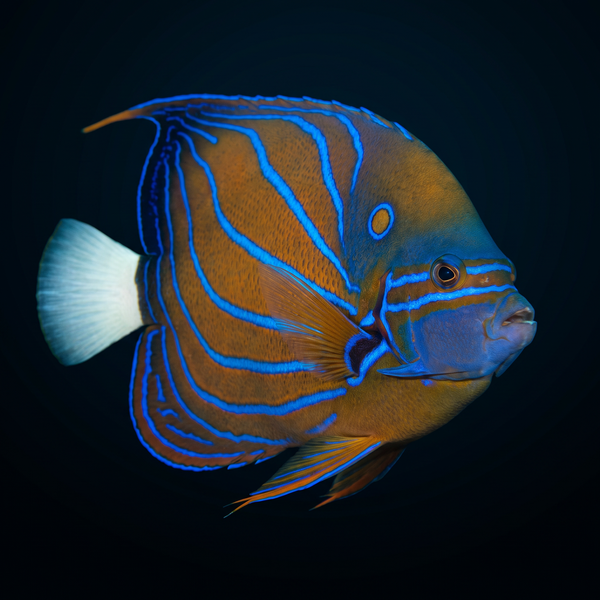
Annularis Angelfish
Pomacanthus annularis

Armitage Angelfish
Apolemichthys armitagei

Asfur Angelfish - Adult
Pomacanthus asfur

Bellus Angelfish - Male
Genicanthus bellus
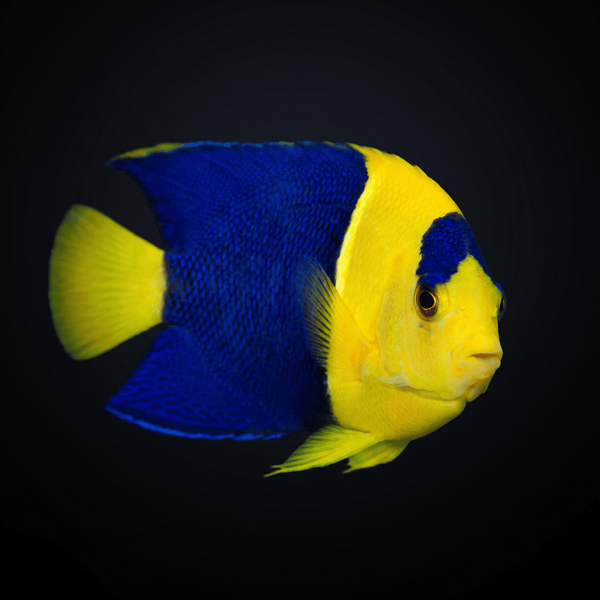
Bicolor Angelfish
Centropyge bicolor
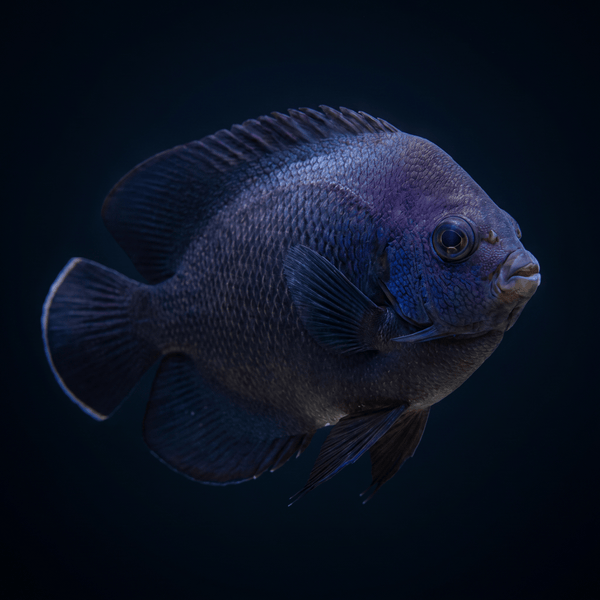
Midnight (Nox) Dwarf Angelfish
Centropyge nox

Black Phantom Angelfish
Chaetodontoplus cf. melanosoma
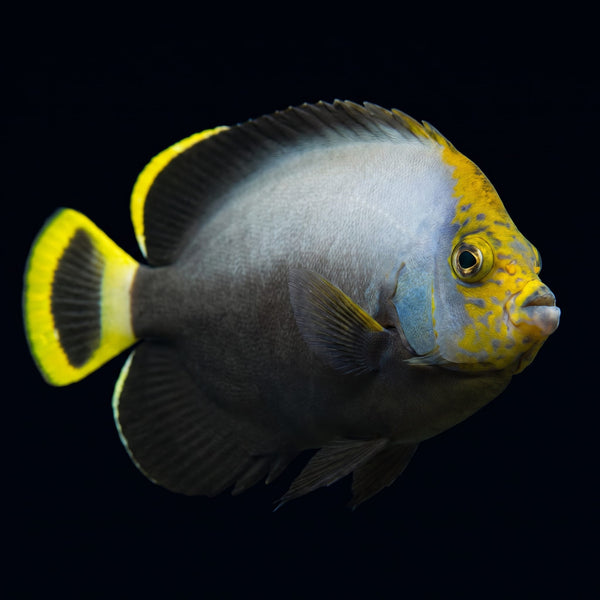
Black Velvet Angelfish
Chaetodontoplus melanosoma
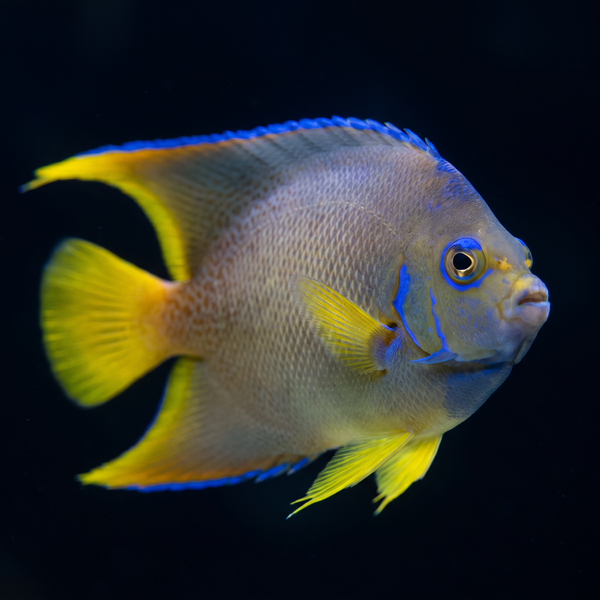
Blue Angelfish - Juvenile
Holacanthus bermudensis

Blueface Angelfish - Juvenile
Pomacanthus xanthometopon

Blueline Angelfish
Chaetodontoplus septentrionalis
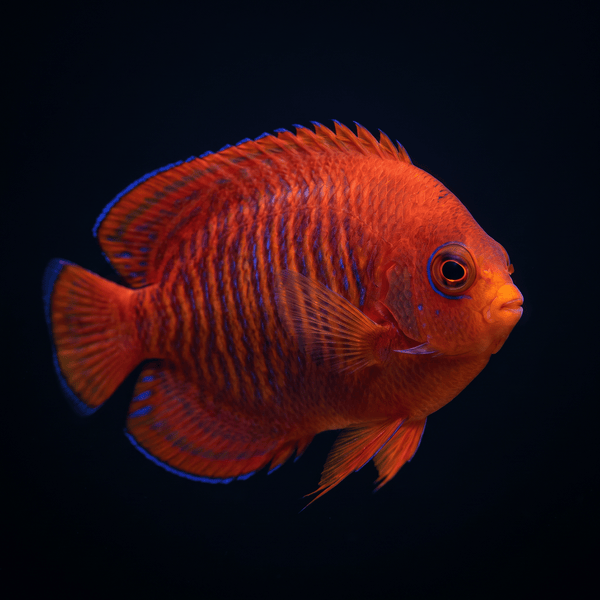
Golden Red Aurantia Angelfish
Centropyge aurantia

Chrysurus Angelfish - Juvenile
Pomacanthus chrysurus
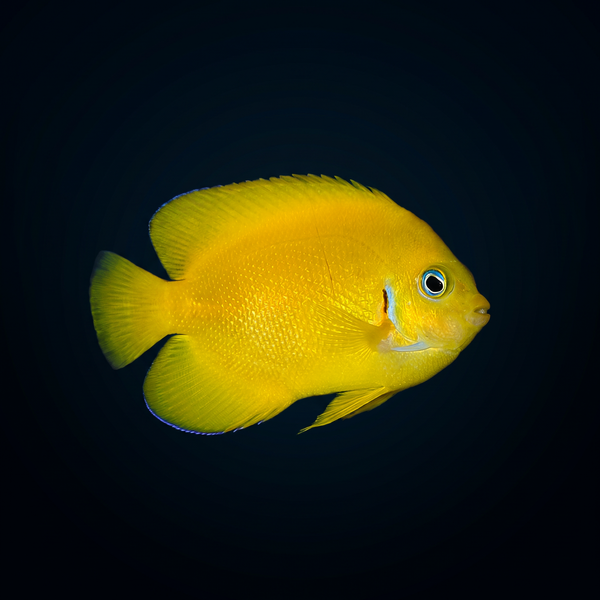
Cocopeel Angelfish
Centropyge cocosensis
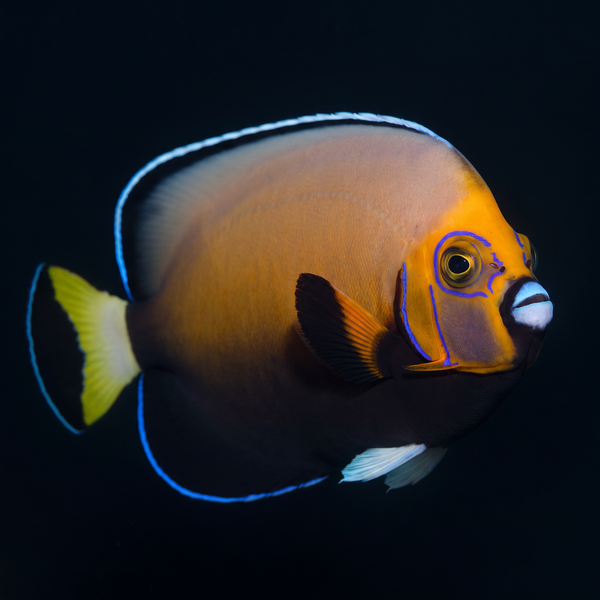
Conspicuous Angelfish
Chaetodontoplus conspicillatus
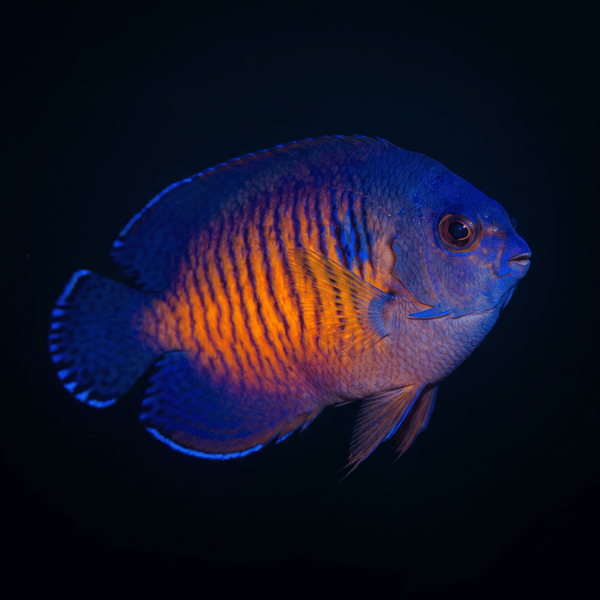
Coral Beauty Angel
Centropyge bispinosa

Cortez Angelfish - Adult
Pomacanthus zonipectus
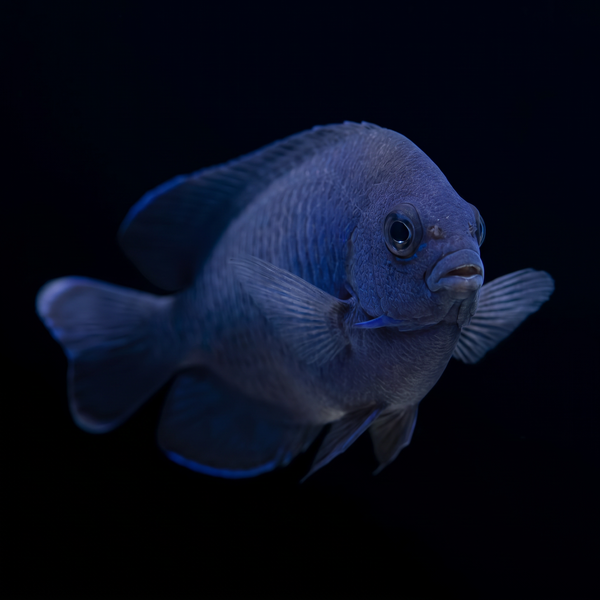
Deb's Blue Velvet Angelfish
Centropyge deborae
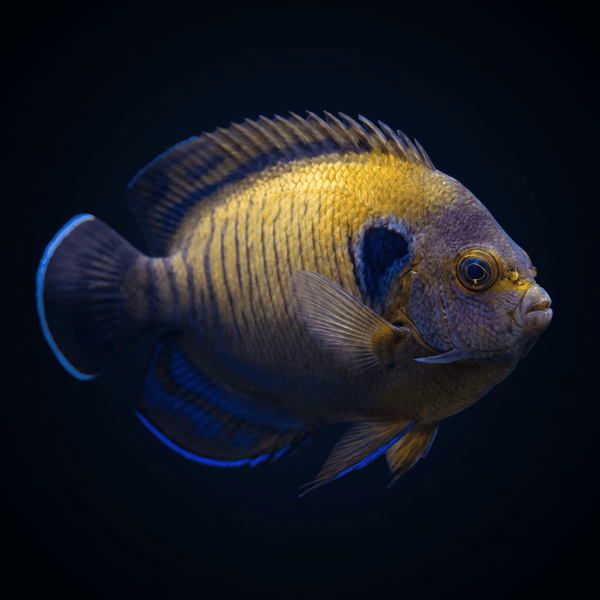
Dusky Angelfish
Centropyge multispinis
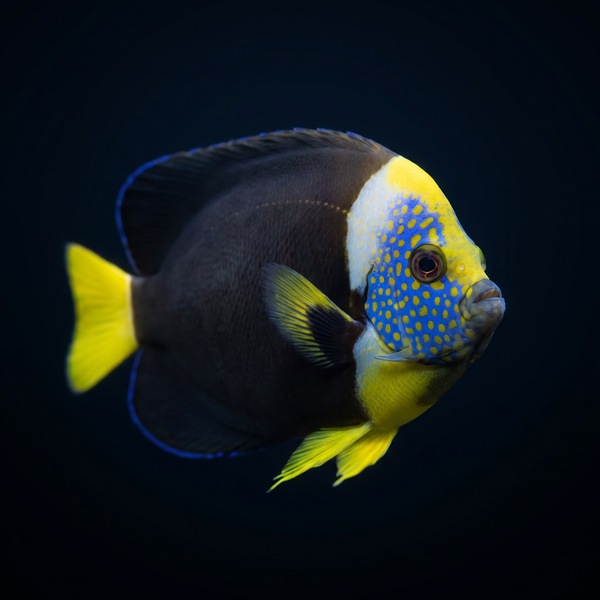
False Personifer Angelfish
Chaetodontoplus meredithi

Flagfin Angelfish
Apolemichthys trimaculatus

Dwarf Flame Angelfish
Centropyge loriculus
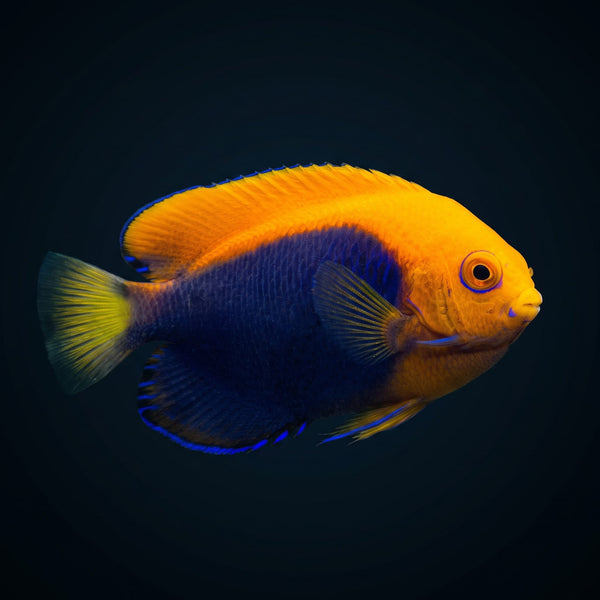
Dwarf Flameback Angelfish - Africa
Centropyge acanthops

French Angelfish - Juvenile
Pomacanthus paru
Compare marine angelfish before choosing one for a reef
Saltwater angelfish range from relatively compact dwarf species to large fish that require substantial swimming room. They are admired for color and shape, but adult size, territorial behavior, feeding, and coral-nipping risk vary. Use the individual profiles below to compare the exact species rather than treating all angelfish as one compatibility group.
Evaluate reef safety with caution
Many marine angelfish are best described as reef safe with caution. An individual may ignore corals in one aquarium and nip fleshy LPS, zoanthids, clams, or sponges in another. A varied diet, adequate space, and mature habitat can reduce pressure, but they cannot guarantee behavior. Decide which corals and invertebrates are most important before accepting that risk.
Plan for adult size and feeding
Large angelfish need significantly more room than dwarf species and can become assertive as they mature. Provide grazing surfaces, hiding areas, and a varied marine diet appropriate to the species. Introduce tankmates with compatible size and temperament. The angelfish reef compatibility guide provides additional comparisons.
Browse the linked profiles for tank size, care level, diet, temperament, and reef-safety notes. Return to the full saltwater fish guide to compare angelfish with butterflyfish, tangs, and other active reef fish.
Browse saltwater angelfish profiles
Open a profile for identification and species-specific care details.
Browse every profile Profiles with images
- Annularis AngelfishPomacanthus annularis
- Armitage AngelfishApolemichthys armitagei
- Asfur Angelfish - AdultPomacanthus asfur
- Bellus Angelfish - MaleGenicanthus bellus
- Bicolor AngelfishCentropyge bicolor
- Midnight (Nox) Dwarf AngelfishCentropyge nox
- Black Phantom AngelfishChaetodontoplus cf. melanosoma
- Black Velvet AngelfishChaetodontoplus melanosoma
- Blue Angelfish - JuvenileHolacanthus bermudensis
- Blueface Angelfish - JuvenilePomacanthus xanthometopon
- Blueline AngelfishChaetodontoplus septentrionalis
- Golden Red Aurantia AngelfishCentropyge aurantia
- Chrysurus Angelfish - JuvenilePomacanthus chrysurus
- Cocopeel AngelfishCentropyge cocosensis
- Conspicuous AngelfishChaetodontoplus conspicillatus
- Coral Beauty AngelCentropyge bispinosa
- Cortez Angelfish - AdultPomacanthus zonipectus
- Deb's Blue Velvet AngelfishCentropyge deborae
- Dusky AngelfishCentropyge multispinis
- False Personifer AngelfishChaetodontoplus meredithi
- Flagfin AngelfishApolemichthys trimaculatus
- Dwarf Flame AngelfishCentropyge loriculus
- Dwarf Flameback Angelfish - AfricaCentropyge acanthops
- French Angelfish - JuvenilePomacanthus paru