Two Spot Bristletooth Tang saltwater fish care guide

Overview:
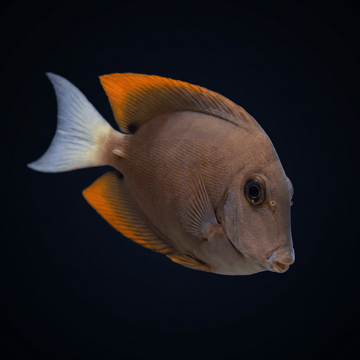
The Two Spot Bristletooth Tang, also known as Ctenochaetus binotatus, is a hardy marine fish well-suited for intermediate aquarists. This species thrives in a well-established aquarium with a minimum of 70 gallons, providing ample swimming space and live rock for grazing. Optimal water conditions include a temperature range of 72-78°F, a pH of 8.1-8.4, and a specific gravity of 1.020-1.025. A strong water flow and efficient filtration system are crucial to mimic their natural reef environment and maintain water quality.

Compatibility:
This species is generally peaceful and can coexist with a variety of tankmates, making it suitable for community aquariums. However, it may display territorial behavior towards other tangs, especially those of similar size or appearance. To minimize aggression, introduce them to the tank simultaneously or ensure the presence of ample hiding spaces. Avoid housing with overly aggressive species that may stress the tang, as this can lead to health problems.

Health and Quarantine:
Maintaining the health of the Two Spot Bristletooth Tang involves regular monitoring and preventive care. Quarantine new arrivals for 2-4 weeks to prevent the introduction of parasites or diseases into the main tank. Common health issues include marine ich and lateral line erosion, often linked to poor water quality or inadequate diet. Regular water changes, a varied diet, and maintaining stable tank conditions are essential for preventing these ailments. If signs of illness appear, such as white spots or lethargy, promptly address the issue with appropriate treatments and consult a veterinarian if necessary.

Nori Pellets Mysis
The Two Spot Bristletooth Tang, Ctenochaetus binotatus, is a semi-aggressive, reef-safe fish from the Indo-Pacific that reaches up to 8 inches in size and requires a minimum tank size of 75 gallons. This species is known for its active swimming habits, often seen grazing on algae and detritus, making it beneficial for algae control in aquariums. While somewhat solitary, it can coexist with a variety of other reef-safe species, though care should be taken with similar-looking fish to avoid territorial disputes. Providing a balanced diet of algae and meaty foods will ensure its health and vibrant coloration.

FAQ

Frequently Asked Questions

About the Bristletooth Tang

  • My Two Spot Bristletooth Tang’s “two spots” are very faint and sometimes almost disappear. Is this normal, and what influences the visibility of the spots?
    Yes, it’s normal for the two spots near the dorsal fin to fade or become less visible depending on age, mood, lighting, and stress. Juveniles often have more defined markings that can soften as they mature. Changes in dominance, nighttime coloration, and strong LED lighting can all make the spots appear different throughout the day. As long as the fish is eating well, swimming actively, and not showing signs of disease (frayed fins, heavy breathing, mucus, or lesions), variable spot intensity is usually a normal cosmetic change rather than a health issue.
  • My Two Spot Bristletooth Tang keeps “kissing” the glass and rocks all day long. How do I know if it’s actually getting enough to eat from the biofilm and not slowly starving?
    This species is a dedicated detritivore and biofilm grazer, so constant pecking is normal. To check if it’s getting enough nutrition, watch its body profile from above and the side. The belly and area just in front of the tail should look full, not pinched or hollow. The head shouldn’t look bony with sunken cheeks. If you notice a thin body despite constant grazing, increase supplemental foods: daily sheets of nori, spirulina-based pellets, and small offerings of frozen herbivore blends. Feed multiple small meals rather than one large one, because this species is adapted to near-continuous picking in the wild.
  • My Two Spot Bristletooth Tang is chasing only other algae grazers (like Kole and Tomini tangs) but ignores wrasses and clowns. Is this normal, and can I reduce aggression without rehoming it?
    Yes, it’s normal for this species to show selective aggression toward similar-shaped competitors, especially other Ctenochaetus or small Zebrasoma tangs. To reduce tension, increase rockwork complexity to create separate grazing zones and sight breaks. Provide multiple algae feeding stations spaced apart to limit direct competition. If you plan to keep multiple tangs, the Two Spot Bristletooth usually does best added after more dominant tangs or all at the same time in a larger tank (5–6 feet long or more). Rearranging some rock before adding new grazers can help reset territorial boundaries and lessen targeting.
  • I’m worried my Two Spot Bristletooth Tang will “sandblast” my corals while sifting detritus off the rock. How do I support its natural feeding behavior without irritating LPS and fleshy corals?
    Two Spot Bristletooth Tangs scrape film algae and detritus rather than bite large chunks. Most SPS and encrusting corals tolerate this well, but some fleshy LPS can retract if the fish pecks too near them. To minimize irritation, keep these tangs well fed with algae sheets and herbivore foods so they are less focused on every speck of detritus. Position sensitive LPS (like trachys, scolys, and open brains) in areas with moderate flow and slightly elevated rockwork, away from the heaviest grazing lanes. Keep detritus under control with a reasonable cleanup crew and flow pattern so the tang isn’t constantly picking right at coral mouths.
  • My Two Spot Bristletooth Tang is the only tang in a 4-foot (120 cm) tank. It seems restless, pacing the glass more than my other fish. Is this a sign the tank is too small for this specific species?
    While they stay smaller than many Acanthurus tangs, Two Spot Bristletooth Tangs still benefit from long, uninterrupted swimming space. A 4-foot tank is usually an absolute minimum for an adult and often leads to pacing, especially in high-energy individuals or in tanks with limited rock structure. Glass surfing can be triggered by reflections, lack of hiding spots, or simply not enough horizontal run. You can try adding more rock to break reflections and provide clearer territories, adjusting lighting to reduce mirror effects, and ensuring strong but not chaotic flow. If pacing persists despite these changes and the fish seems chronically keyed up, a move to a 5–6-foot tank generally results in much more natural, relaxed behavior.