Short Tail Bristletooth Tang

Overview:
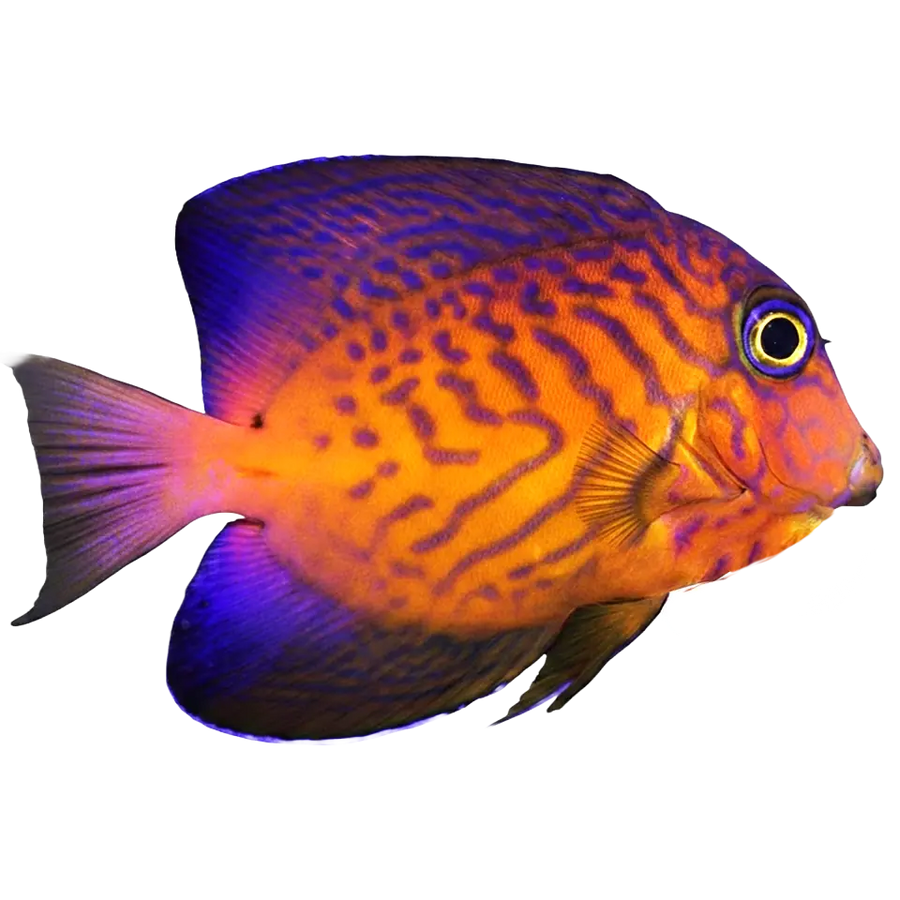
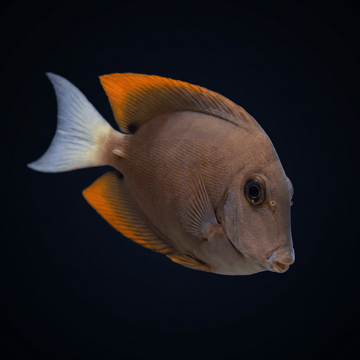
The Short Tail Bristletooth Tang, scientifically known as Ctenochaetus truncatus, is a vibrant marine fish popular among aquarium enthusiasts. This species thrives in a well-maintained saltwater aquarium with a minimum tank size of 75 gallons. They prefer a habitat with plenty of live rock for grazing and hiding, mimicking their natural reef environment. Optimal water conditions include a temperature range of 72-78°F, a pH of 8.1-8.4, and a specific gravity of 1.020-1.025. Regular water changes and efficient filtration are crucial to maintain water quality and reduce stress.

Compatibility:
The Short Tail Bristletooth Tang is generally peaceful and can coexist with a variety of tankmates. They are best kept with other non-aggressive species, including other tangs, provided the tank is large enough to prevent territorial disputes. Avoid housing them with overly aggressive fish that may stress them. They can be kept in a community tank with species like clownfish, gobies, and wrasses. It's important to introduce them to the tank last to minimize territorial behavior.

Health and Quarantine:
Maintaining the health of the Short Tail Bristletooth Tang involves regular monitoring and preventive care. They are susceptible to common marine diseases such as ich and marine velvet. Quarantine new arrivals for at least two weeks before introducing them to the main tank to prevent the spread of disease. Regularly check for signs of stress or illness, such as changes in color, appetite, or behavior. Provide a stress-free environment with stable water conditions and a balanced diet to enhance their immune system. If illness occurs, promptly address it with appropriate treatments and consult with a marine veterinarian if necessary.

Nori Pellets Mysis
The Short Tail Bristletooth Tang (Ctenochaetus truncatus) is an active and semi-aggressive species that thrives in a reef-safe environment. Native to the Indo-Pacific, this fish is known for its algae-grazing behavior, making it a beneficial addition to a reef tank. It requires a minimum tank size of 75 gallons to accommodate its active swimming habits and to reduce territorial aggression. While generally peaceful, it may exhibit territorial behavior, especially when housed with other tangs or similar species. Providing ample live rock for grazing and hiding is essential for its well-being. The Short Tail Bristletooth Tang can coexist with a variety of other fish, but caution is advised when introducing it to tanks with other tangs to prevent aggression. Its omnivorous diet includes algae, film, spirulina, and occasional mysis shrimp, ensuring a balanced nutritional intake. Overall, this species is a vibrant and functional addition to a community reef tank.

FAQ

Frequently Asked Questions

About the Bristletooth Tang

  • How does the temperament and aggression level of a Short Tail Bristletooth Tang compare to other tangs, and can it coexist with other Ctenochaetus species in the same tank?
    Short Tail Bristletooth Tangs (Ctenochaetus species with the shorter, more compact tail and bristle-like teeth) are typically less aggressive than Acanthurus or Zebrasoma tangs but can be quite territorial toward conspecifics and closely related Ctenochaetus. In most home aquaria, it’s best to keep only one Bristletooth Tang per tank unless you have a very large system (at least 6–8 feet long and 180+ gallons) with abundant rockwork and algae resources. Introduce them last or near-last, rearrange rockwork before adding new tangs, and avoid mixing visually similar Ctenochaetus (e.g., other small bristletooths of similar color/pattern). They generally coexist well with wrasses, gobies, anthias, and most peaceful community fish but can harass new herbivores that compete for the same food source.
  • My Short Tail Bristletooth Tang is constantly grazing but still looks pinched in the belly. What specific feeding strategy and foods work best for this species beyond just “algae sheets”?
    This species is a continuous grazer, and many arrive underweight. They need frequent, varied feedings, not just nori. Provide: - Nori (red and green) on a clip 1–2 times per week, soaked occasionally in vitamin supplements. - Multiple daily feedings of fine-particle foods: spirulina-based pellets (1 mm or smaller), small mysis, enriched brine shrimp, and high-quality marine herbivore flakes. - Frozen foods rich in marine algae and sponges, aimed at tangs and angels. - A mature tank with film algae and diatoms on rocks and glass; avoid over-cleaning every surface so they can graze naturally. Feed small amounts 3–4 times per day. Sudden weight loss despite good feeding can indicate internal parasites, in which case a medicated food with metronidazole or praziquantel (in a hospital tank or via targeted feeding) is recommended.
  • What minimum tank size and aquascape layout does a Short Tail Bristletooth Tang realistically need to show natural grazing behavior without pacing or stress?
    While they’re smaller than many tangs, a Short Tail Bristletooth Tang still needs ample horizontal swimming room and rock surface. A realistic minimum for long-term care is a 75–90 gallon tank with at least a 4-foot length, but they truly thrive in 5–6 foot tanks. Aquascape with: - Open swimming lanes along the front and back glass. - Multiple arches and overhangs that create loops for them to swim through and around. - Lots of porous live rock with irregular surfaces to grow film algae and microfauna. Avoid solid walls of rock from glass to glass; broken “island” structures with channels are better. Strong but diffuse flow lets them graze without constantly fighting current. Tanks shorter than 4 feet or with cramped rock piles often lead to pacing, persistent skittish behavior, or increased aggression.
  • My Short Tail Bristletooth Tang has faded coloration and tiny white or pale spots on the body. How do I tell if this is normal stress spotting, ich, or head and lateral line erosion starting?
    Short Tail Bristletooth Tangs can show rapid color changes and faint stress mottling, especially when startled or at night; this usually appears as irregular blotches, not uniform dots, and clears within minutes to hours once calm. Marine ich (Cryptocaryon) looks like evenly scattered, salt-grain-sized white dots that persist and often increase over several days, with scratching, rapid breathing, or clamped fins. Velvet (Amyloodinium) appears as a finer “dusting” and can kill quickly. Early head and lateral line erosion (HLLE) shows as pitting and erosion around the eyes and along the lateral line, often paired with frayed tissue and discoloration, not raised dots. If you see consistent, evenly sized dots for more than 24–48 hours, treat as ich or velvet in a separate hospital tank with copper or Chloroquine, and leave the display fallow for the appropriate period. For HLLE, improve diet (especially marine algae and vitamins), use high-quality carbon (or reduce use), and stabilize water quality.
  • Are Short Tail Bristletooth Tangs considered “reef safe,” and do they ever nip at fleshy LPS corals, clams, or zoanthids when there’s not enough natural algae?
    Short Tail Bristletooth Tangs are generally considered reef safe with respect to corals, as their natural diet is mainly film algae, diatoms, and detritus they rasp from rock and surfaces. However, in tanks with very little natural algae or if they are underfed, some individuals may pick at: - Fleshy LPS (especially open brains, scolies, and sometimes acans). - Clam mantles, particularly small or stressed clams. - Zoanthids and palythoas in rare cases. To minimize this risk, maintain a mature reef with steady growth of microalgae, feed them generously and frequently, and provide nori daily. Observe carefully when adding new fleshy corals or clams; if you see repeated, targeted nipping (not just incidental contact while grazing nearby), you may need to increase feeding, move the coral, or in some cases rehome the fish.