Herbivore
Film Algae
Biofilm
Algae
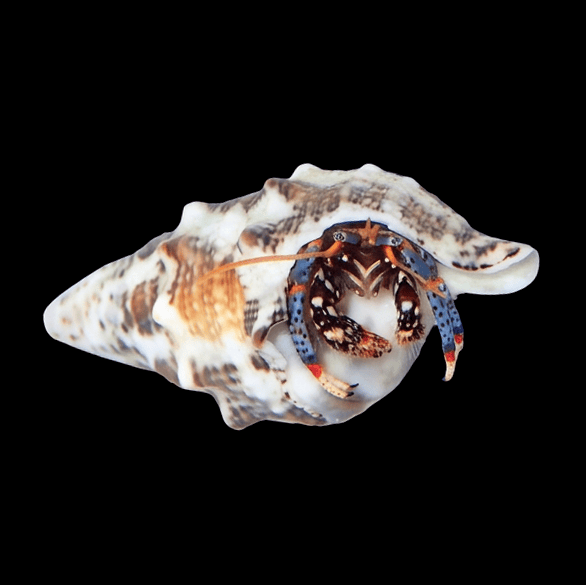
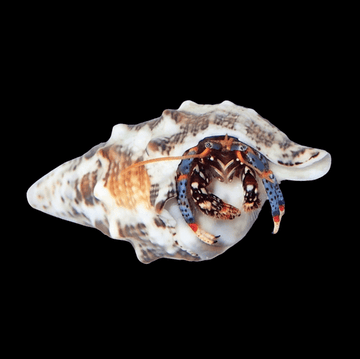
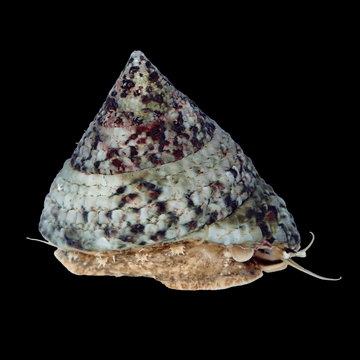
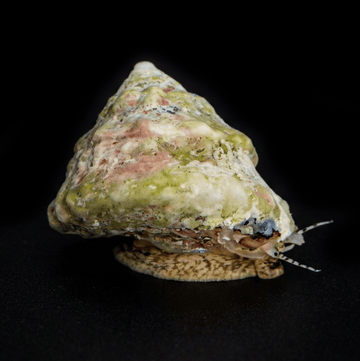
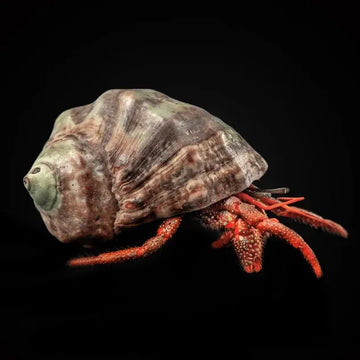
Collonista Snails are tiny, nocturnal grazers that become most active after lights out, moving across rockwork and glass to consume film algae and biofilm. Because of their small size, they can reach crevices that larger snails cannot, making them valuable micro-grazers in mature reef systems. In well-established aquariums, Collonistas often reproduce readily, forming a stable, self-regulating population that grows or shrinks based on available food. They are completely peaceful, never bother other invertebrates, and are too small to disturb coral placement or rockwork. During the day, they tend to remain hidden in shaded areas or within the rock structure until nighttime activity resumes.
FAQ
Frequently Asked Questions
About the Collonista Snail
-
I keep seeing tiny snails appear at night. Are these Collonista Snails reproducing in my tank?
Yes. Collonista Snails are one of the few commonly kept grazers that reproduce reliably in reef aquariums. They release larvae that settle and grow into miniature adults, eventually forming a self sustaining population. This is beneficial because they help maintain consistent grazing pressure without overwhelming the system. Their small size allows them to reach crevices that larger snails cannot, making them excellent background cleaners. As long as the tank is not heavily overfed, their population naturally stabilizes. -
Are Collonista Snails good for algae control, or are they too small to make a difference?
While an individual Collonista is small, a healthy colony can make a noticeable impact on film algae and microalgae. Their grazing is gentle and continuous, which helps prevent buildup in low flow or shaded areas. They are not suited for heavy nuisance algae like hair algae or turf algae, but they excel at the everyday maintenance that keeps rock and equipment surfaces looking clean. Their high activity level during evening hours provides around the clock algae control. -
Do Collonista Snails ever become pests by reproducing too quickly?
In a balanced reef tank, they rarely pose a problem. Their population growth directly follows available food sources. If algae levels remain moderate, the colony stays small and manageable. Overpopulation usually indicates excess nutrients or overfeeding long before it causes any issues with the snails themselves. If desired, populations can be reduced by physically removing clusters from glass or allowing natural predators like certain wrasses to eat juveniles. -
Will Collonista Snails bother corals, sponges, or other invertebrates?
Collonistas are completely reef safe. They feed strictly on film algae and biofilm, not on coral tissue or sessile inverts. They are so small and light that they can crawl across delicate polyps without causing irritation. Many hobbyists prefer them over larger snails because they perform similar maintenance without knocking over frag plugs or shifting decorations. -
How do I know if my Collonista Snails are getting enough food to sustain their population?
If you see them actively grazing at night and small juveniles appearing on glass or rockwork, they are getting plenty of food. Their populations naturally expand when algae is abundant and level off when algae becomes scarce. If their numbers decline noticeably, it may simply mean the tank is very clean or competing grazers are removing most of the available microalgae. Supplemental feeding is usually unnecessary.