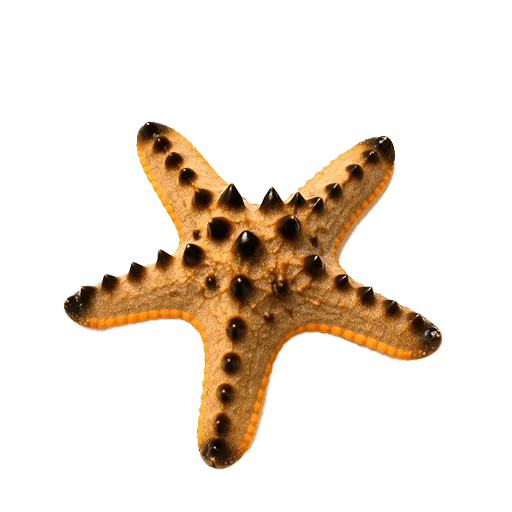
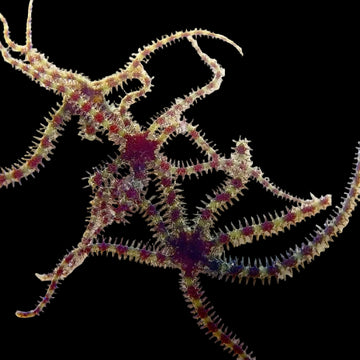
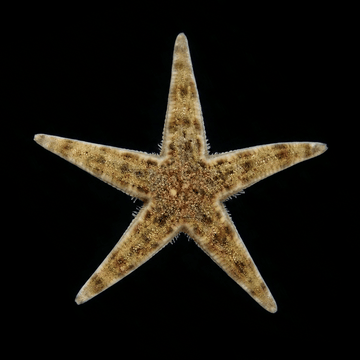
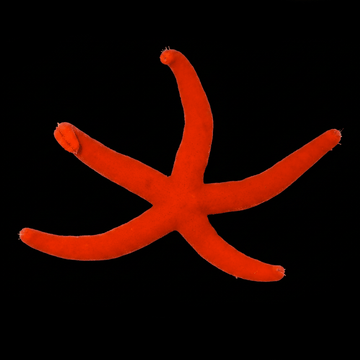
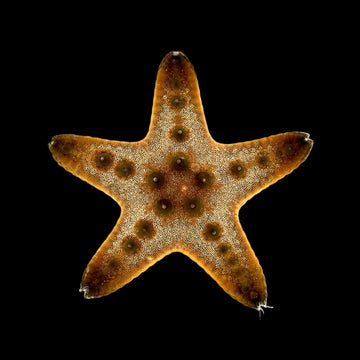
Orange Linckia Starfish SALE!

Overview:
The Orange Linckia Starfish (Linckia spp., commonly sold as orange Linckia) is best kept only in a mature, stable reef aquarium with abundant live rock and established microfauna. It is highly sensitive to rapid changes in salinity, pH, temperature, and dissolved oxygen, so stability matters more than chasing exact numbers. Aim for 24–26°C (75–79°F), specific gravity 1.025–1.026, pH 8.1–8.4, alkalinity 8–10 dKH, and consistently zero ammonia/nitrite. Keep nitrate low and avoid sudden swings from large water changes. Provide plenty of rockwork for grazing and shaded areas; strong, chaotic flow is helpful, but ensure there are calmer zones so it can move without being flipped. Intakes and overflows should be screened, as this species can wander and get trapped.

Compatibility:
Reef-safe with corals and most sessile invertebrates; it does not hunt fish or corals. The main compatibility concern is predation and harassment. Avoid harlequin shrimp (specialized starfish predators), many triggers, puffers, large wrasses, some hawkfish, and opportunistic crabs that may nip tube feet or damaged tissue. Even “reef” crabs can become problematic if the starfish weakens. Peaceful community fish and typical reef cleanup crews are generally fine. Ensure it cannot be toppled by strong bulldozing snails or large hermits.

Health and Quarantine:
Most losses are from acclimation shock, shipping injury, or long-term starvation. Always use slow drip acclimation (often 2–4+ hours) and match salinity closely; never expose it to air if you can avoid it. Warning signs include paling, failure to grip, persistent limp posture, lesions, and arm tip erosion. Rapid tissue breakdown can follow stress and secondary infection; pristine, stable water and high oxygenation are the best prevention. Quarantine is recommended in a cycled, reef-safe observation tank with live rock for grazing; do not use copper or harsh medications. If issues appear, focus on stability, gentle handling, and removing aggressive tankmates rather than medicating.

Orange Linckia starfish are primarily continuous grazers that pick at biofilms, bacterial mats, microalgae, detritus films, and tiny organisms on and within live rock. In many tanks they slowly starve despite appearing active, so the best “feeding plan” is a large, established system (often 75+ gallons) with extensive mature live rock. Direct feeding is inconsistent, but you can try placing small pieces of meaty marine foods (mussel, clam, shrimp) or sinking carnivore pellets near the starfish after lights out, then removing leftovers within a few hours to protect water quality. Target feeding a small amount 1–2 times weekly can help in lean systems, but many individuals ignore offered foods. Avoid relying on freshly set-up tanks or sterile aquascapes.

Biofilm Microfauna Detritus
Orange Linckia Starfish are slow-moving, deliberate grazers that spend most of their time traveling across live rock and hard surfaces rather than the sandbed. They move steadily and purposefully, feeding on naturally occurring biofilms, bacterial mats, and sponge growth that develop in mature reef systems. Unlike scavenging starfish, they do not actively seek out leftover food and will ignore most prepared offerings. Their movement is subtle and continuous, and they may appear inactive at times, especially during the day. Linckia starfish are highly sensitive to environmental changes and handling, and stress often shows as arm deterioration or loss. In stable, well-established aquariums, their calm, predictable behavior makes them visually appealing, but they are not well suited for new or frequently adjusted systems.

FAQ

Frequently Asked Questions

About the Orange Linckia Starfish

  • Are Orange Linckia Starfish hard to keep alive?
    Yes. Orange Linckia Starfish are considered advanced-level invertebrates and have a poor survival rate in immature or unstable aquariums. They are highly sensitive to changes in salinity, temperature, and overall water chemistry, especially during shipping and acclimation.
  • What do Orange Linckia Starfish eat in reef tanks?
    They primarily graze on biofilms, sponges, and microbial growth found on live rock surfaces. These food sources develop slowly and are not easily replaced with prepared foods. Because of this, many tanks cannot naturally support their long-term dietary needs.
  • Can Orange Linckia Starfish be target fed?
    No reliable method of target feeding exists. While they may occasionally accept food placed directly under them, this does not replicate their natural grazing behavior. Long-term survival depends on continuous access to mature live rock rather than supplemental feeding.
  • What tank size is recommended for an Orange Linckia Starfish?
    Large, mature reef systems with extensive live rock are essential. Tanks need enough surface area to sustain ongoing grazing without depleting available food. Smaller systems often lack the biological density required to keep them alive long term.
  • Are Orange Linckia Starfish reef safe?
    Yes. They do not harm corals, fish, or mobile invertebrates. Their risk is not compatibility, but survivability. Most losses are related to starvation or stress rather than aggression or reef safety concerns.