Omnivore
Algae
Leftover Food
Biofilm
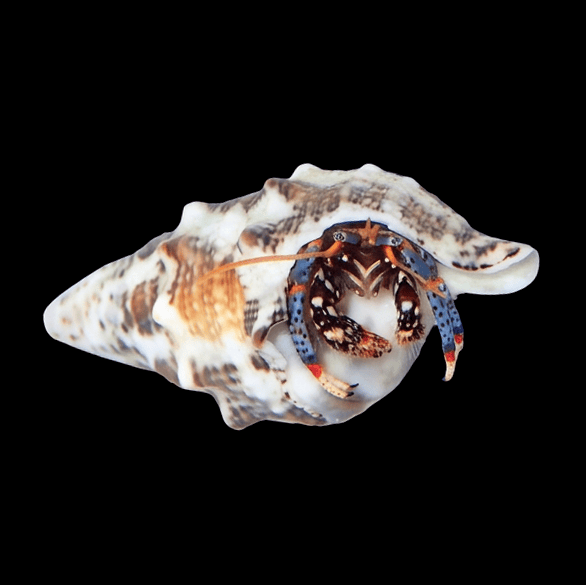
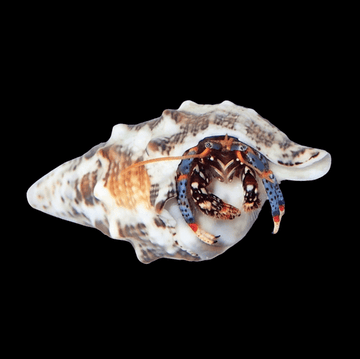
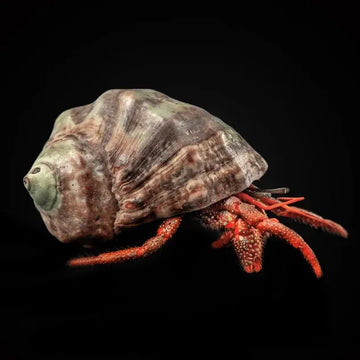
Scarlett Red Hermit Crabs are calm, steady grazers that spend their day picking at film algae, detritus, and leftover food along rockwork and sand. They are one of the most peaceful hermit species commonly kept in reef tanks and rarely bother snails or other invertebrates, even when competing for space. Their behavior stays focused on grazing rather than territorial disputes, making them dependable members of a cleanup crew. With a few spare shells available for growth, they remain gentle, effective algae cleaners that integrate well into mixed reef systems.
FAQ
Frequently Asked Questions
About the Scarlett Red Hermit Crab
-
My Scarlett Red Hermit Crabs rarely bother snails. What makes them less aggressive than other hermits?
Scarlett Red Hermits are naturally calmer and more algae focused than species like Blue Legs or Halloween Hermits. Their diet skews more heavily toward plant material, and they do not compete as aggressively for shells. They also have a slower, less territorial temperament. While they can take a snail’s shell if desperate, this behavior is far less common when you provide a few appropriately sized spare shells and maintain regular feeding. -
One of my Scarlett Red Hermits has climbed onto a rock and stayed still for hours. Is it molting?
Possibly. Scarlett Reds often slow down dramatically or retreat into their shells before a molt. They may perch on rock surfaces, wedge themselves between crevices, or partially bury themselves to feel secure. If the hermit retracts deeply into its shell and avoids movement, it is likely preparing to shed its exoskeleton. This is normal. Avoid moving the hermit or disturbing the area until it resumes activity. -
My Scarlett Red Hermit Crab spends most of the day grazing the same rock. Is this normal behavior or a sign of limited food?
Constant grazing is one of the best indicators that your Scarlett Red Hermit is settled and behaving naturally. They specialize in cleaning film algae and microalgae, so they often return to the same patches throughout the day. If the tank is extremely clean and you have several hermits, supplementing with small herbivore pellets or seaweed helps ensure all individuals receive enough food without competing. -
Why is my Scarlett Red Hermit Crab ignoring the empty shells I added?
Scarlett Reds are particular about shell shape and interior comfort. Even if you offer many shells, they may reject those that are too heavy, too rounded, or too narrow inside. They tend to choose shells that are: - Light to medium weight - Slightly elongated or oval in shape - Only slightly larger than the shell they currently wear If the options don’t feel “right,” they will stay in their current shell even when it is getting tight. -
My Scarlett Red Hermit Crab disappeared for several days and then reappeared in a new shell. What happened?
Scarlett Reds often hide for extended periods before or after molting. During this time, they seek deep, protected crevices where they remain unseen. After the molt, they may immediately upgrade to a new shell because their body becomes softer and more flexible. Finding a freshly selected shell and a healthy, active crab afterward is a good sign that the molt was successful.