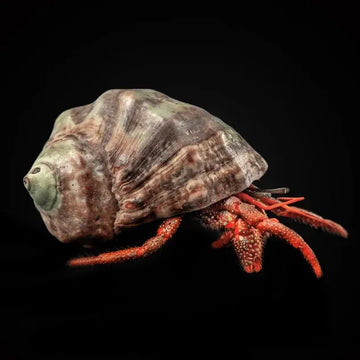
Super Tongan Nassarius Snail (5 Pack) PreBF

Overview:
Nassarius Snails (commonly Nassarius vibex and related species) are marine sand-dwelling scavengers best kept in established saltwater aquariums with a soft substrate. Provide a sand bed (generally 2–5 cm / 1–2 in or deeper) so they can burrow and behave normally, surfacing quickly when they detect food. Stable reef-like parameters are key: temperature 24–26°C (75–79°F), salinity 1.024–1.026, pH 8.0–8.4, alkalinity 8–10 dKH, and low ammonia/nitrite (0) with low nitrate. Moderate flow is helpful, but ensure areas of calmer sand where they can bury without being constantly blown around. Avoid sudden salinity changes and copper-based medications, which are toxic to snails. Keep them in groups when possible; they are more active and effective as clean-up scavengers when multiple individuals are present.

Compatibility:
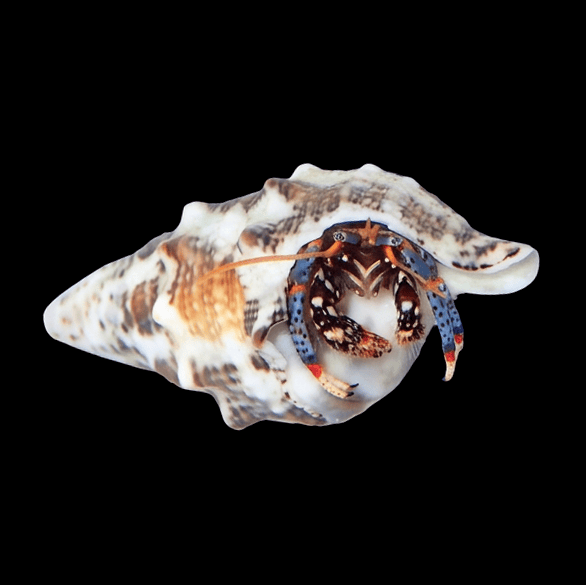
Nassarius Snails are peaceful and reef-safe with corals, anemones, and most invertebrates. They do not typically bother healthy clams or other snails, but they may gather on weakened or dying animals because they are scavengers. Safe tankmates include most reef fish, cleaner shrimp, and other small clean-up crew members. Avoid or use caution with predators of snails: many wrasses, puffers, triggers, large hawkfish, some crabs, and certain dottybacks may pick at them or crack shells. Hermit crabs can kill them for shells; reduce risk by providing many empty shells and avoiding aggressive hermit species. They do well in sand-bed communities, but very coarse gravel can limit burrowing and feeding.

Health and Quarantine:
Most losses come from starvation, predation, poor acclimation, or unstable salinity. Drip-acclimate for 45–90 minutes, matching salinity carefully. Inspect for a tight operculum response and a clean, intact foot; foul odor and a gaping operculum suggest death—remove promptly. Quarantine is useful to observe for hitchhikers (predatory worms, crabs) and to confirm feeding response; a small container with heated, aerated saltwater and a bit of clean sand works. Do not medicate with copper. Provide iodine only if you already manage it for reef needs; overdosing is risky. Consistent feeding and stable parameters are the best preventive care.

These snails primarily eat meaty leftovers and carrion rather than algae. In lightly stocked or very “clean” systems, they can starve unless target-fed. Feed 2–4 times per week (or more if the tank is large and heavily stocked) using small portions of sinking meaty foods: chopped shrimp, clam, mussel, fish, squid, pellets formulated for marine carnivores, or thawed frozen foods. Place food on the sand so they can locate it naturally; they track scent and will emerge rapidly. If fish and hermits outcompete them, use tongs to place food near their burrow area or feed after lights-out. Remove uneaten large chunks after a few hours to limit nutrient spikes. If they remain buried constantly and do not respond to food, reassess food availability and water quality.

Detritus Leftover Fish Food Small Meaty Scraps
Nassarius Snails are active, scent-driven scavengers that spend most of their time buried beneath the sand with only their siphon exposed. When they detect food in the water, especially meaty foods, they rise rapidly and move across the substrate with surprising speed. Their behavior makes them excellent at removing leftover food before it decomposes, helping maintain cleaner sandbeds and reducing nutrient spikes. They do not graze algae and rarely climb rockwork, staying focused on scavenging rather than grazing. Nassarius Snails are peaceful and avoid conflicts with other invertebrates, though they may cluster aggressively around food during feeding time. Their constant burrowing and resurfacing help oxygenate and lightly stir the sandbed.

FAQ

Frequently Asked Questions

About the Nassarius Snail

  • My Nassarius Snails explode out of the sand as soon as food hits the water. Is this normal behavior?
    This is completely normal and one of the defining traits of Nassarius Snails. They have an extremely sensitive siphon that detects dissolved food particles almost instantly. When they sense a meal, they rush to the surface to feed, often giving the appearance of erupting from the sand. This quick response helps prevent leftover food from decaying and improves overall tank cleanliness.
  • Why do my Nassarius Snails stay buried all day and only come out at night?
    Nassarius Snails are naturally nocturnal scavengers. In the wild, burying themselves helps them avoid predators while positioning them to detect food that settles after dusk. In an aquarium, this same instinct continues. As long as they rise during feeding or nighttime hours and show strong movement, their behavior is perfectly healthy.
  • Are Nassarius Snails good at cleaning algae, or do they only eat leftover food?
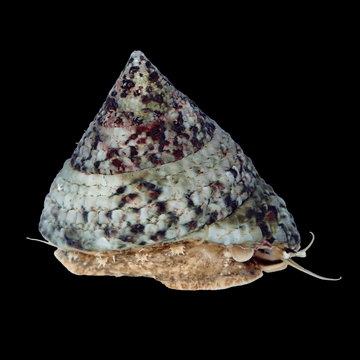
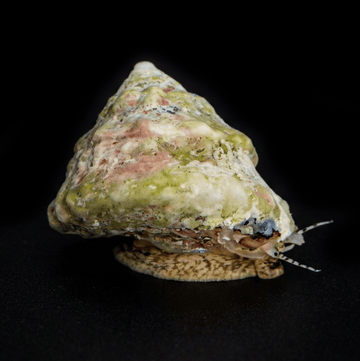
    Nassarius Snails are not algae eaters and should not be used for that purpose. Their diet consists of leftover fish food, detritus, and decaying organic material. They play an important role in maintaining a healthy sandbed but do nothing to control film algae or hair algae. If algae management is the goal, pair them with Trochus, Ceriths, or Turbos.
  • Can Nassarius Snails live in tanks without sand?
    They strongly depend on sand for natural behavior. Without a sandbed, they cannot bury themselves or regulate their activity patterns, which leads to stress and shorter lifespans. A sandbed of at least one inch supports proper feeding, shelter, and overall health. Bare bottom tanks are not suitable long term environments for this species.
  • One of my Nassarius Snails is floating at the surface. What does this mean?
    Floating is usually a sign that the snail has trapped air inside its shell, often from being lifted or flipped during maintenance. Gently submerging and rotating the snail under water helps release the air so it can sink again. If the snail continues floating and shows no muscular response when touched, this can indicate severe stress or decline.