Omnivore
Algae
Detritus
Leftover Food
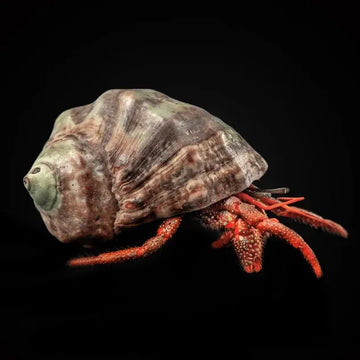
Cerith Snails are versatile, low-profile scavengers that divide their time between grazing on rock surfaces and burrowing lightly through the upper sandbed. They feed on film algae, diatoms, and detritus, making them effective at reaching areas that many larger grazers overlook. During the day, Ceriths often remain partially hidden within the rockwork or just beneath the sand, becoming most active at night when they move across glass and substrate in search of food. They are peaceful and rarely interact with other invertebrates beyond normal scavenging behavior. Their ability to navigate tight crevices and sift through the sand helps maintain a cleaner, more biologically balanced reef environment.
FAQ
Frequently Asked Questions
About the Cerith Snail
-
My Cerith Snail keeps burying itself in the sand during the day. Is this normal behavior?
Yes. Cerith Snails split their time between grazing on rockwork and glass at night and digging into the sand during the day. Burrowing protects them from predators in the wild and helps them access detritus, microalgae, and leftover food trapped in the substrate. As long as the snail emerges in the evening or during feeding, this is healthy and natural behavior. -
Do Cerith Snails help keep the sandbed clean, or are they mostly algae grazers?
Ceriths are excellent all around cleaners. They handle film algae, diatoms, leftover food, and detritus both on surfaces and inside the upper layer of the sandbed. This combination makes them valuable members of a balanced clean up crew. Their burrowing helps oxygenate the substrate and prevents buildup of waste pockets that can cause long term issues. -
My Cerith Snail only comes out at night. Does this mean it is not getting enough food?
No. Cerith Snails are naturally nocturnal and often graze most actively after lights out. Many hobbyists rarely see them during the day. If the snail maintains a healthy shell, moves normally, and appears periodically on glass or rock surfaces, it is feeding enough even if most activity occurs at night. -
Why does my Cerith Snail sometimes climb all the way to the top of the glass and stay there?
There are a few harmless reasons for this. Ceriths may climb high to graze fresh film algae, avoid abrupt flow changes near the substrate, or reposition themselves before returning to the sand. If a large water change or sudden salinity shift recently occurred, climbing higher can also be a temporary stress response. Once conditions stabilize, they return to normal behavior. -
Can Cerith Snails breed in reef tanks, and should I expect to see baby snails?
They can lay eggs in captivity, often on the glass as small white spirals, but successful hatching and survival of juveniles are uncommon. Larval stages are delicate and typically require conditions that reef tanks do not maintain. Some hobbyists report small populations forming in very mature systems, but it is not reliable. They are not self sustaining like Collonista Snails.