Omnivore
Algae
Leftover Fish Food
Small Meaty Scraps
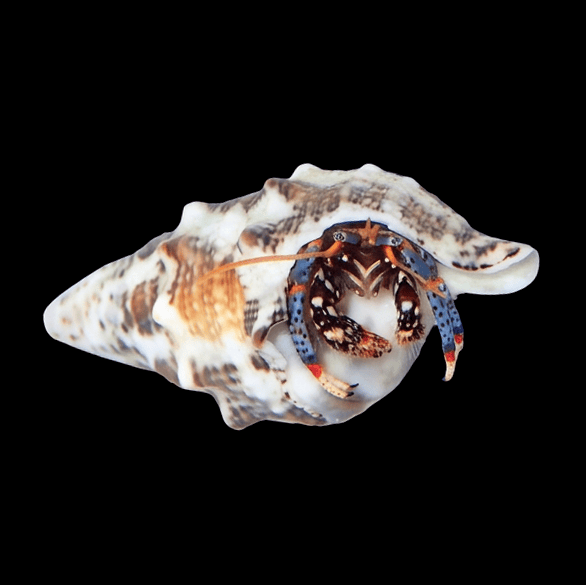
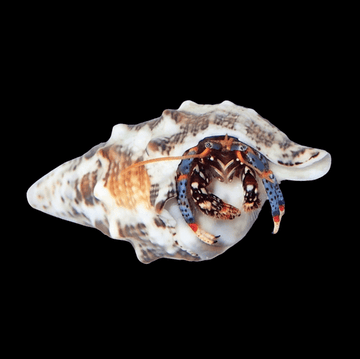
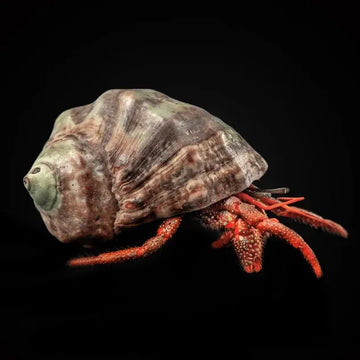
Halloween Hermit Crabs are large, energetic scavengers that spend most of the day navigating rockwork and sand in search of algae, leftover food, and detritus. Their size makes them stronger and more assertive than smaller hermit species, and they may challenge snails for shells if suitable replacements are not available. When provided with a steady supply of empty shells and consistent feeding, they remain focused on cleanup duties and contribute significantly to controlling film algae and waste buildup. Despite their bold nature, they integrate well into reef systems when their need for space and shells is managed properly.
FAQ
Frequently Asked Questions
About the Halloween Hermit Crab
-
My Halloween Hermit Crab is much larger than my other hermits. Can it live safely with snails and smaller inverts?
Halloween Hermits are significantly larger and stronger than species like Blue Legs or Red Legs, so they can accidentally overpower smaller invertebrates. They are not naturally predatory, but their size gives them the ability to evict snails for shells if they feel cramped or underfed. You can keep them safely in mixed reef systems by offering a generous selection of large, lightweight shells and feeding them regularly. When they have enough space and resources, they coexist well with snails and most peaceful inverts. -
My Halloween Hermit Crab keeps moving rocks and knocking over frags. Is this normal behavior?
Yes. Because of their larger size and strong legs, Halloween Hermits are capable of shifting loose rockwork and overturning small coral frags while searching for food. This behavior is natural, especially in tanks with lighter rubble. Securing frags with glue and ensuring rockwork is stable prevents disruptions. This species is best kept in tanks where movement of small pieces will not cause issues. -
Why is my Halloween Hermit Crab constantly switching shells or inspecting empty ones?
Halloween Hermits are more selective about shells than many smaller hermits. They frequently inspect multiple shells before deciding on one, and they may switch repeatedly during growth phases. This is healthy behavior. They prefer larger shells with wide openings that match their broader leg structure. Providing a range of shells prevents stress and reduces the likelihood of them challenging snails for upgrades. -
My Halloween Hermit Crab is digging under rocks and creating small pits in the sand. Is this something to worry about?
Digging is normal and often relates to foraging or preparing for a molt. Halloween Hermits use their large claws to sift sand for leftover food, microfauna, or algae. They may also dig shallow depressions when preparing to molt, as being partially buried provides stability and protection. As long as rock structures are firmly secured, this behavior is harmless and part of their natural routine. -
I rarely see my Halloween Hermit Crab during the day. Is it nocturnal?
Halloween Hermits are more active at night, especially in brighter reef tanks. They often spend the daytime tucked into rock crevices and emerge after lights dim to forage more aggressively. This behavior becomes more pronounced in systems with strong lighting or active fish. As long as the crab appears at feeding times and shows normal shell behavior, occasional hiding is completely normal.