Herbivore
Algae
Diatoms
Biofilm
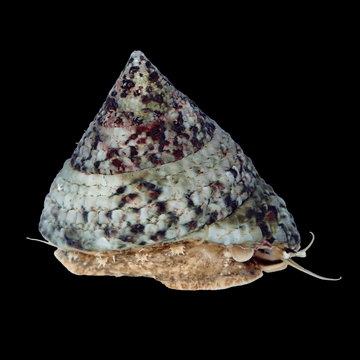
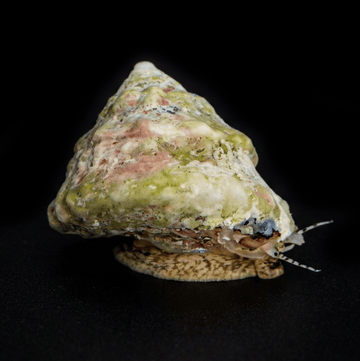
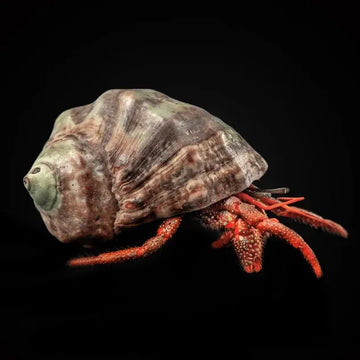
Astrea Snails are steady, dedicated grazers that focus on removing film algae, diatoms, and early algae growth from rockwork and glass. They move more slowly than Trochus or Turbo snails but remain highly effective in areas with stable surfaces to graze on. Astreas are peaceful and avoid interactions with other invertebrates, rarely competing for food. One limitation is that they cannot reliably right themselves when flipped, which makes placement and flow considerations important to prevent accidental falls. They are most active during the evening and nighttime hours, when they cover larger portions of the tank to search for fresh grazing surfaces.
FAQ
Frequently Asked Questions
About the Astrea Snail
-
My Astrea Snail flipped over and cannot right itself. Is this normal, and what should I do?
Astrea Snails are excellent grazers, but they have a major weakness. Their shell shape and limited mobility make it very difficult for them to flip back over once they fall onto their back. In the wild, they rely on uneven rock surfaces or wave action to assist them, but in an aquarium they often need help. If you see an upside down Astrea, gently turn it upright and place it on a stable surface. Leaving it upside down for too long can cause stress, starvation, or make it vulnerable to hermits and opportunistic inverts. To prevent frequent falls, avoid placing them on steep rock faces or high flow zones where they can lose their grip. -
Why do my Astrea Snails only eat certain types of algae and ignore others?
Astrea Snails specialize in grazing on film algae and shorter microalgae. This makes them very effective at keeping glass, pumps, and rockwork clean, but it also means they will avoid thicker or fibrous algae that their radula cannot break down efficiently. Green hair algae, turf algae, and macroalgae are usually ignored. If your tank contains mostly these tougher algae species, supplementing with nori or algae wafers can help keep them well fed. A snail that wanders the glass constantly without stopping to graze may be struggling to find sufficient food. -
My Astrea Snail has stopped moving for several hours. Is it dead or just resting?
Stillness alone is not a sign of death. Astrea Snails often rest in place after intense grazing sessions. A healthy resting snail will remain tightly sealed in its shell or show slight movement in its foot when gently tapped or shifted. A deceased snail usually hangs loosely from its shell or emits a foul odor. If you suspect inactivity is due to water conditions, check salinity, temperature, and ammonia, as these snails are sensitive to sudden environmental swings. -
Can Astrea Snails breed in reef aquariums, and will I see baby snails?
Astrea Snails can release gametes into the water column, but successful reproduction that results in juveniles surviving to adulthood is rare in home aquariums. Their larvae require specific planktonic conditions that most tanks do not provide. Because of this, hobbyists generally do not see baby Astreas appear naturally. If you want a snail species that repopulates consistently, Collonistas or Trochus Snails are much better options. -
Are Astrea Snails safe with corals and tube worms, or can they damage delicate structures?
Astreas are fully reef safe. They do not consume coral tissue, tube worms, or sponges. Their grazing activity is limited to algae and biofilm. The only risk they pose is accidental. Because they are not as agile as Trochus Snails, they may knock over small plug mounted frags if they crawl across unstable structures. Securing frags with glue minimizes this problem. When kept on rockwork and glass, they are one of the safest and most reliable grazers for coral dominated tanks.