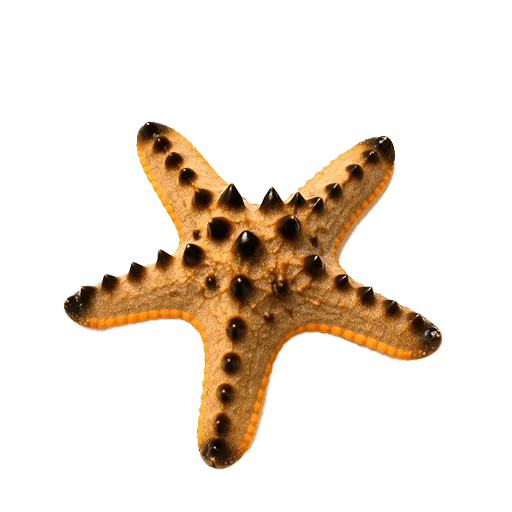
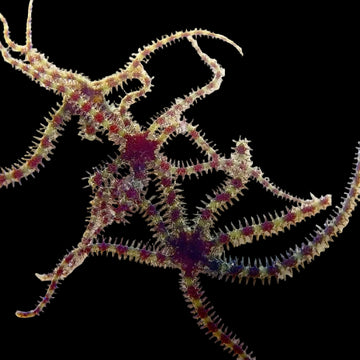
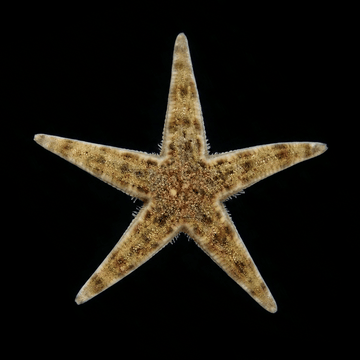
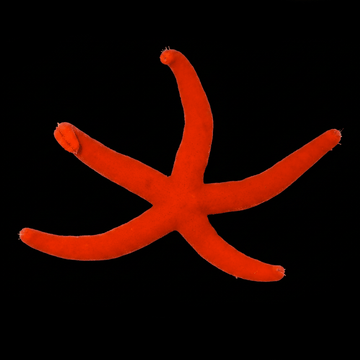
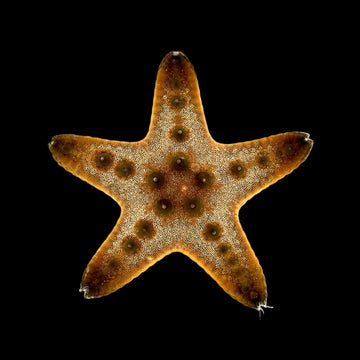
Harlequin Serpent Starfish – Ophiolepis superba

Overview:
The Harlequin Serpent Starfish is a nocturnal brittle star (ophiuroid) that spends most of the day tucked into rockwork with only its arms extended to sense food. It does best in a mature, stable marine aquarium (generally 6+ months old) with abundant live rock, caves, and crevices, plus moderate flow that delivers suspended food without blasting its hiding spots. Provide a stable reef range: 24–26°C (75–79°F), salinity 1.025–1.026, pH 8.1–8.4, and steady alkalinity and calcium typical of reef systems. Stability matters more than “perfect” numbers—rapid swings in salinity, pH, or temperature commonly cause decline. Use fine sand or a mixed substrate; avoid sharp rubble that can damage tube feet and arm joints.

Compatibility:
Generally reef-safe with corals and most sessile invertebrates. It can coexist with peaceful fish, but very small fish (especially slow, sleeping, or bottom-perching species) can be at risk if the star is underfed. Avoid keeping it with aggressive predators that nip arms or flip echinoderms, such as large wrasses, triggers, puffers, some hawkfish, and large predatory crabs. Use caution with cleaner shrimp and tiny ornamental shrimp; while many setups work, a hungry serpent star may grab small shrimp at night. It typically ignores snails and most sturdy cleanup crew, but newly molted crustaceans are more vulnerable.

Health and Quarantine:
Echinoderms are highly sensitive to copper and many medications; never expose this starfish to copper-based treatments. The most important preventive care is slow acclimation (drip acclimation for 1–2 hours) and avoiding sudden salinity changes during top-off or water changes. Watch for warning signs: limp arms, inability to right itself, rapid tissue breakdown, persistent arm loss, or a “mushy” central disc—these usually indicate stress from instability or poor water quality. Quarantine is recommended in a fully cycled, established, rock-shelter QT (not a sterile, newly set-up tank). In QT, focus on stability, ample oxygenation, and regular feeding rather than medication.

This species is an opportunistic carnivore/scavenger. In many tanks it will not thrive on leftovers alone, especially in smaller or very “clean” systems. Target feed 2–4 times per week after lights-out (or when it’s active) using tongs or a feeding stick placed near the central disc. Good foods include small pieces of shrimp, clam, mussel, squid, marine fish, and sinking meaty pellets. Keep portions modest (roughly the size of its disc or smaller per feeding) to prevent fouling water. If it remains hidden, place food at the entrance of its crevice and reduce competition by feeding other animals on the opposite side of the tank first.

Finely Chopped Seafood Shellfish Small Invertebrates
Harlequin Serpent Starfish are active, intelligent, and increasingly predatory as they grow. During the day, they typically remain hidden within rock crevices, caves, or under ledges, extending their arms outward to sense movement and food in the surrounding area. As lighting decreases, they become far more active and may emerge to roam the aquarium in search of food. Juveniles often behave primarily as scavengers, feeding on leftover meaty foods and detritus, but larger individuals frequently shift toward active hunting behavior. This can include ambushing small fish or invertebrates, especially those that rest near rockwork at night. Their movements are fast and deliberate compared to most starfish, and they are capable of sudden bursts of speed when striking. Because of this behavior, they are best suited for tanks where their predatory nature is understood and accounted for, rather than mixed reef systems with small or slow-moving livestock.

FAQ

Frequently Asked Questions

About the Harlequin Serpent Starfish

  • Are Harlequin Serpent Starfish reef safe?
    No. Harlequin Serpent Starfish are not reef safe. While they do not eat coral tissue directly, they are active predators and opportunistic feeders that can prey on fish, shrimp, and other mobile invertebrates. Over time, they pose a real risk in reef aquariums, especially at night when fish are resting.
  • Will a Harlequin Serpent Starfish eat fish?
    Yes, they can. Harlequin Serpent Starfish are capable of capturing slow, sleeping, injured, or smaller fish. They are ambush predators rather than scavengers, using their arms to rapidly trap prey. Fish losses often occur overnight and are frequently misattributed to other causes.
  • What do Harlequin Serpent Starfish eat in aquariums?
    They are carnivorous and feed on meaty marine foods such as shrimp, clam, mussel, squid, and fish flesh. While they will accept prepared foods, this does not eliminate their instinct to hunt live prey when given the opportunity.
  • Can feeding reduce the risk of fish or invertebrate loss?
    Regular feeding helps, but it does not make them safe. Even well-fed Harlequin Serpent Starfish may still capture fish or shrimp. Their predatory behavior is instinctual rather than hunger-driven, which is why they are best kept in systems where occasional losses are acceptable.
  • What type of aquarium is best for a Harlequin Serpent Starfish?
    Fish-only or species-specific aquariums are the safest choice. These tanks allow for controlled feeding without risking valued livestock. Stable water parameters, ample floor space, and rockwork for shelter are important, but compatibility is the primary concern.