Herbivore
Film Algae
Diatoms
Algae
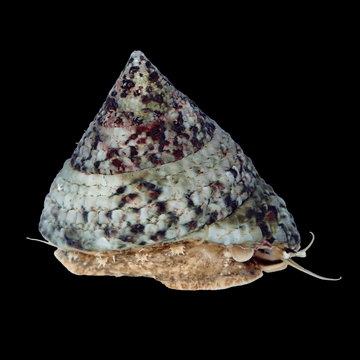
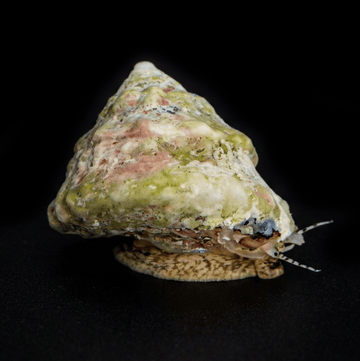
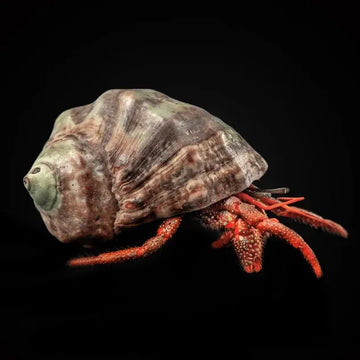
Ninja Star Snails are small, agile grazers known for their distinctive star-like shell pattern and calm disposition. They move steadily across rock surfaces, glass, and equipment, feeding on film algae and biofilm in areas that larger snails often overlook. Their compact size allows them to navigate tight crevices, making them valuable micro-grazers in mature aquariums. Ninja Star Snails remain peaceful and avoid interactions with tank mates, focusing entirely on grazing rather than scavenging. They are most active during the evening and nighttime hours, covering larger sections of the tank once lights are off. Unlike some similar species, Ninja Stars rarely disturb coral placement and remain unobtrusive contributors to a balanced cleanup crew.
FAQ
Frequently Asked Questions
About the Ninja Star Snails
-
My Ninja Star Snail moves very slowly compared to other snails. Is this normal behavior?
Yes. Ninja Star Snails are naturally deliberate grazers. They are methodical rather than fast, focusing on scraping film algae and biofilm from textured surfaces. Their slower pace does not indicate poor health. As long as the snail maintains a firm grip and shows steady movement over time, it is functioning normally. -
What type of algae do Ninja Star Snails help control?
They specialize in film algae, diatoms, and light patches of green microalgae. Their small size and ability to access narrow crevices make them especially useful for cleaning areas larger snails cannot reach. They are not effective against thick hair algae or turf algae but excel in maintaining clean rockwork and frag racks. -
I noticed my Ninja Star Snail has a patterned, star shaped shell. Does this change as it grows?
The striking shell pattern is characteristic of the species and remains visible throughout its life. As the snail matures, the shell becomes thicker and more defined, but the star like pattern stays intact. This unique appearance is one reason they are favored in display reefs. -
Can Ninja Star Snails right themselves after falling on their back?
Sometimes, but not always. Their shell shape gives them moderate leverage, but on smooth or flat surfaces, they may struggle to flip back over. If you see one upside down for more than a few minutes, gently turn it upright. Leaving them overturned can lead to stress or vulnerability to opportunistic tank mates. -
Are Ninja Star Snails safe for coral reefs, including sensitive SPS colonies?
Absolutely. Ninja Star Snails are peaceful grazers and pose no risk to corals. They do not consume coral tissue or irritate polyps. Their small size allows them to maneuver through tight branching SPS without causing damage. They are one of the safest snails to use in coral heavy systems.