Omnivore
Detritus
Algae
Leftover Fish Food
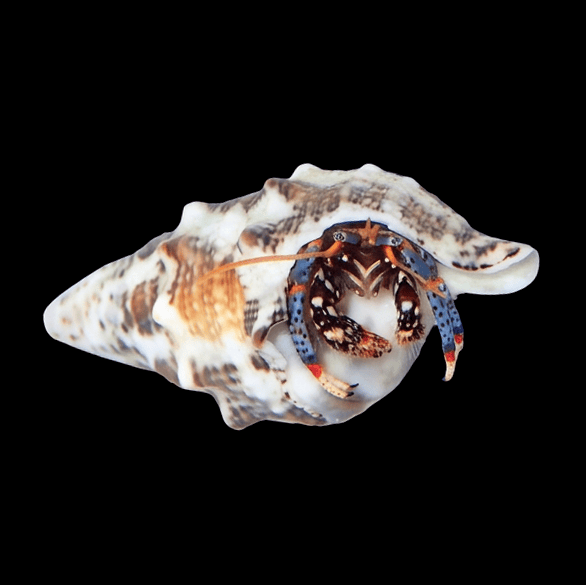
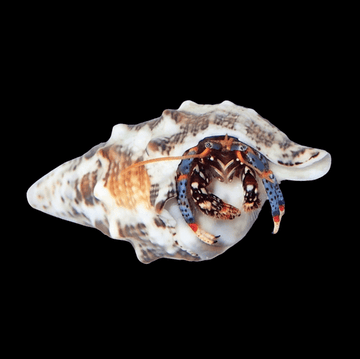
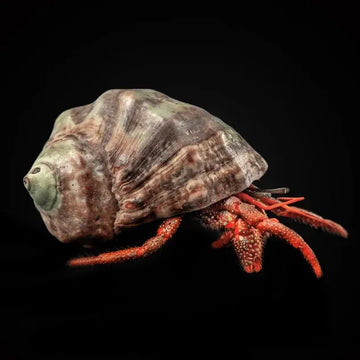
Fighting Conchs are active sandbed foragers that use their long, flexible proboscis to sift through the substrate for detritus, leftover food, and microalgae. Despite their name, they are peaceful toward tank mates and only use their muscular foot to “hop” or push themselves forward while feeding. They spend most of their time traveling across open sand areas, helping keep the substrate clean and lightly aerated. When resting or startled, they may partially bury themselves with only their eyes visible above the sand. Fighting Conchs generally ignore rockwork and corals, focusing nearly all their energy on maintaining a healthy, well-oxygenated sandbed.
FAQ
Frequently Asked Questions
About the Fighting Conch
-
My Fighting Conch is constantly plowing through the sand and raising clouds of debris. Should I be concerned?
This is completely normal. Fighting Conchs are powerful sand foragers and use their muscular foot to push through the substrate while searching for detritus, film algae, and leftover food. Although they may briefly disturb the sandbed, their activity helps keep the substrate oxygenated and prevents dead spots. As long as the sand settles quickly and the conch continues moving steadily, this behavior is healthy. -
How can I tell if my Fighting Conch has enough food in the tank?
A well fed Fighting Conch will spend most of the day pushing through the sandbed and feeding at the base of the rockwork. If it begins to climb glass walls or frequently venture far from the sand, it may be searching for food. These conchs have strong appetites and rely on a steady supply of detritus and microalgae. In newer or very clean tanks, targeted supplemental feeding with sinking pellets helps prevent starvation. -
My Fighting Conch occasionally lies still with its siphon extended. Is it resting or is something wrong?
Conchs often rest between foraging sessions, and during these breaks they may extend their siphon to sample the water for scent cues. This stillness is normal as long as the conch retracts or moves when touched gently. A gaping operculum, lack of response, or a foul odor are signs of decline and may require closer inspection of water parameters. -
Can Fighting Conchs live peacefully with nassarius snails and other sandbed invertebrates?
Yes. Fighting Conchs are peaceful and rarely interact aggressively with other sand dwellers. They may come into contact with nassarius snails or hermits during feeding, but these encounters are harmless. The only concern is overcrowding. Too many sandbed scavengers competing for the same resources can lead to malnutrition, so stocking should be balanced for the tank size. -
Do Fighting Conchs ever damage corals or knock over decorations?
They do not harm coral tissue, but their strong foot and bulldozing behavior can move small, unsecured frag plugs or lightweight decorations. They are far less disruptive than large turbo snails but still benefit from a thoughtfully arranged aquascape. Securing loose items helps ensure they do not shift rock or corals during their foraging.