Omnivore
Soft Coral
Leftover Fish Food
Finely Chopped Seafood
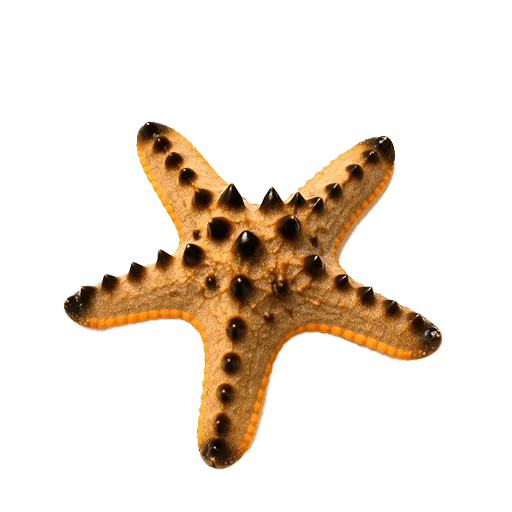
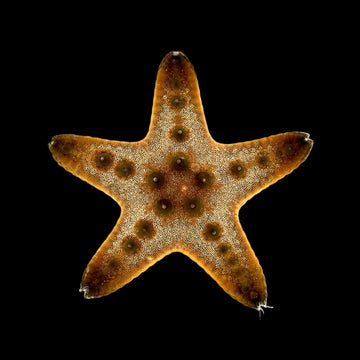
Chocolate Chip Starfish are bold, mobile, and highly opportunistic in their behavior. Unlike many reef-associated starfish that move slowly and graze discreetly, this species actively roams the aquarium across rockwork, glass, and substrate throughout the day. They are not shy and are often visible, making them popular in fish-only or display systems. As they move, they use their strong tube feet to grip surfaces and will readily climb over rock structures and decorations. Chocolate Chip Starfish investigate their environment constantly and will feed on a wide range of sessile invertebrates if given the opportunity. In reef tanks, this behavior leads to coral and sponge consumption, which is why they are considered unsuitable for reef systems. Their confident movement and constant activity make them engaging to watch, but their behavior is best matched to non-reef aquariums.
FAQ
Frequently Asked Questions
About the Chocolate Chip Starfish
-
Are Chocolate Chip Starfish reef safe?
No. Chocolate Chip Starfish are not reef safe and should not be kept in coral reef aquariums. They will consume soft corals, zoanthids, sponges, and other sessile invertebrates over time. Even in well-fed systems, they may still graze on corals as part of their natural feeding behavior. They are best suited for fish-only or species-only aquariums where coral loss is not a concern. -
What do Chocolate Chip Starfish eat in captivity?
Chocolate Chip Starfish are opportunistic omnivores and adapt well to aquarium life because they readily accept prepared foods. In captivity, they can be fed meaty marine foods such as shrimp, clam, mussel, squid, and fish flesh. Regular feeding is important to maintain body mass and prevent them from actively seeking out invertebrates as a food source. -
Will feeding a Chocolate Chip Starfish prevent it from eating corals?
No. Feeding does not make them reef safe. While regular feeding can reduce hunger-driven grazing, Chocolate Chip Starfish naturally consume sessile organisms regardless of how much prepared food they receive. This behavior is instinctive, not a sign of starvation, which is why they should never be considered coral-safe under any circumstances. -
What type of aquarium is best for a Chocolate Chip Starfish?
Fish-only systems or invertebrate-free aquariums are ideal. These tanks provide a controlled environment where the starfish can be fed directly without risking coral damage. Adequate floor space, stable salinity, and consistent water parameters are more important than tank height or rock density for long-term success. -
Are Chocolate Chip Starfish easier to keep than other starfish species?
Yes. Compared to species like Linckia or Fromia starfish, Chocolate Chip Starfish are far more tolerant of captive conditions. Their ability to accept prepared foods makes them less dependent on mature live rock and natural biofilms. While they still require careful acclimation and stable water chemistry, they are among the more durable starfish available to hobbyists.