Herbivore
Film Algae
Biofilm
Diatoms
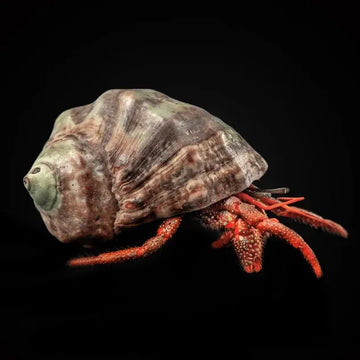
Stomatella Snails are fast-moving, highly effective micro-grazers that resemble small limpets but behave more like active herbivorous snails. They roam rockwork and glass primarily at night, consuming film algae, diatoms, and early-stage nuisance algae in areas that larger snails cannot reach. Their slim, flattened bodies allow them to squeeze into crevices and tight gaps, making them valuable for maintaining algae control in complex aquascapes. Stomatellas are peaceful, avoid other invertebrates, and rarely interact with tank mates except during occasional nighttime clustering. In mature reef tanks, they often reproduce readily, forming stable populations that self-regulate based on available food. They are excellent long-term grazers that remain unobtrusive and highly beneficial.
FAQ
Frequently Asked Questions
About the Stomatella Snail
-
My Stomatella Snail moves extremely fast compared to other snails. Is this normal?
Yes. Stomatella Snails are known for their unusual speed and agility. Their body shape resembles a slug with a small flattened shell, allowing them to crawl quickly across rockwork and glass. This agility helps them graze efficiently and avoid predators in the wild. Fast, smooth movement is a sign of a healthy Stomatella and should not be mistaken for stress. -
Do Stomatella Snails reproduce in reef tanks, and should I expect a growing population?
Stomatellas reproduce readily in mature aquariums. You may see tiny juveniles grazing at night or notice short bursts of spawning behavior where they release gametes into the water. Their population generally stabilizes based on available algae and surface area. They are considered highly beneficial and rarely become excessive because natural predation and food availability keep numbers balanced. -
My Stomatella Snail dropped part of its tail. Is this normal or a sign of injury?
This is a natural defense mechanism. Stomatellas can autotomize, or intentionally shed, part of their tail when startled or attacked. The detached portion distracts potential predators while the snail escapes. The snail typically regenerates the lost tissue over time. This behavior is not a sign of illness and does not harm the snail if conditions remain stable. -
Why do I only see my Stomatella Snail at night?
Stomatellas are strongly nocturnal and remain hidden during the day to avoid predators. They emerge after lights out to graze on film algae, diatoms, and early biofilm. Some individuals become more visible during the day once they feel secure, but most remain evening focused in their activity. Their nocturnal habits make them excellent for twenty four hour algae control when combined with diurnal grazers like Trochus Snails. -
Are Stomatella Snails safe for coral reefs, or can they irritate polyps?
Stomatellas are fully reef safe and are considered one of the most gentle and beneficial grazers available. Their light body weight allows them to crawl across delicate coral colonies without causing irritation. They do not consume coral tissue, sponges, or desirable macroalgae. Their diet is almost entirely composed of microalgae and biofilm, making them ideal for SPS and LPS dominated systems.