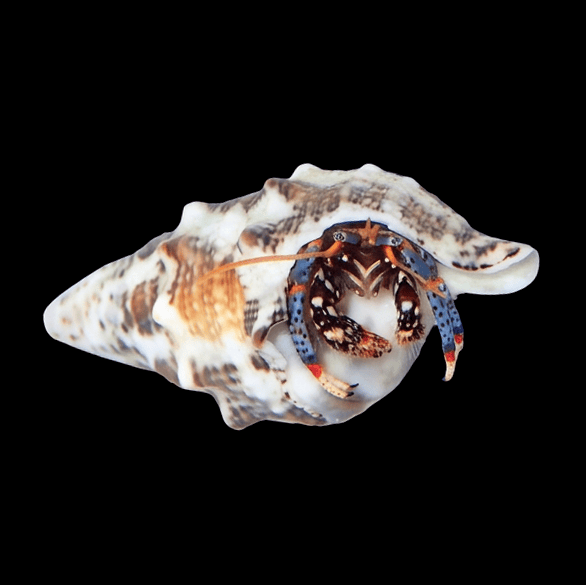
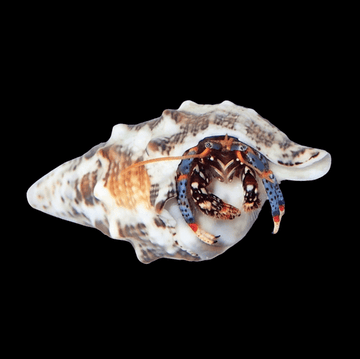
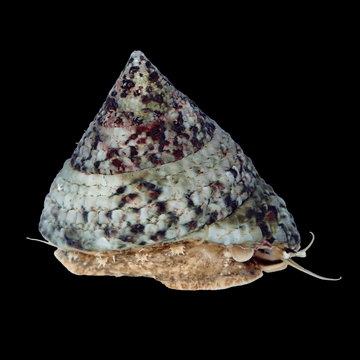
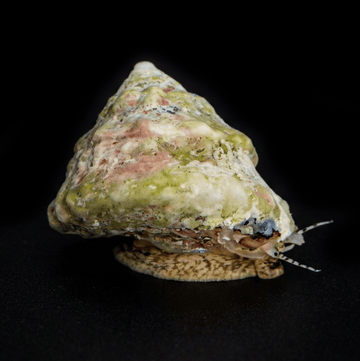
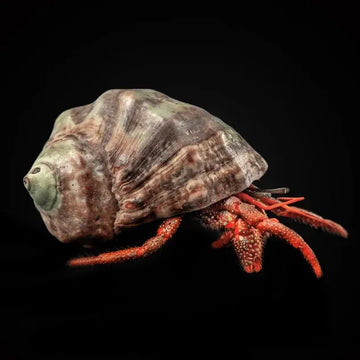
Mini Nassarius Snail - Sustainably Aquacultured

Overview:
Mini Nassarius Snails (often sold as dwarf Nassarius) are small marine scavenging snails best kept in established saltwater aquariums with a sandy substrate. They spend most of their time buried with only a siphon showing, emerging quickly when they detect food. Provide a stable reef-like environment: temperature 24–26°C (75–79°F), salinity 1.024–1.026, pH 8.1–8.4, and low ammonia/nitrite with nitrate kept modest. A sand bed is important for natural behavior and foraging; fine to medium sand is ideal. Ensure adequate oxygenation and gentle to moderate flow; they tolerate flow well but do poorly in stagnant systems. They are not algae grazers and won’t “clean glass,” so they should be chosen for leftover-food cleanup and sand stirring rather than algae control. Stocking depends on feeding level; a common range is 1 per 2–5 gallons, adjusted downward in low-nutrient tanks.

Compatibility:
These snails are reef-safe and generally ignore corals, anemones, and macroalgae. They mix well with peaceful fish, shrimp, hermits, and other snails, but may be outcompeted for food by aggressive scavengers (large hermit crabs, big cleaner shrimp, large brittle stars). They are vulnerable to predators and rough handling. Avoid tanks with many snail-eating species such as some wrasses (especially larger Halichoeres types), puffers, triggers, hawkfish with a strong appetite for inverts, and larger crabs. If kept with hermit crabs, provide abundant spare shells and regular feeding to reduce attacks.

Health and Quarantine:
Mini Nassarius Snails are sensitive to sudden salinity or temperature changes. Use a slow drip acclimation (45–90 minutes) and avoid exposing them to air for long periods. Never use copper-based medications in the display; copper and many “invert-unsafe” treatments can be lethal. For prevention, a short observation period in a separate container or small tank with a sand cup and stable parameters helps catch shipping stress and reduces the chance of introducing pests on shells. Signs of trouble include prolonged inactivity, failure to respond to food, falling and not righting themselves, or a foul odor (remove immediately). Stable parameters, adequate food, and a sand bed are the main keys to long-term success.

Mini Nassarius Snails are primarily carnivorous detritivores that consume leftover meaty foods, dying organic matter, and bits of fish or shrimp. In well-fed community tanks they often find enough, but in lightly stocked reefs they can slowly starve without supplemental feeding. Feed small amounts 2–4 times per week (more if the tank is very clean), using sinking meaty items such as chopped shrimp, clam, fish, pellets with high marine protein, or frozen foods that reach the sand. Place food on the substrate so they can locate it. Avoid overfeeding; their fast response can make it seem like they need more than they do. Remove uneaten food after an hour to protect water quality.

Detritus Leftover Fish Food Small Meaty Scraps
Mini Nassarius Snails are energetic burrowers that spend much of their time beneath the sandbed, rising quickly when they detect food in the water column. They excel at locating uneaten food and meaty debris, preventing it from decomposing in the tank. Their constant burrowing also helps aerate the sand and support a healthy substrate. In mature reef systems, Mini Nassarius often repopulate naturally, creating a self-sustaining cleanup crew that stabilizes over time. They are peaceful scavengers that avoid conflicts, only interacting with other tank mates during feeding events when they surge out of the sand.

FAQ

Frequently Asked Questions

About the Mini Nassarius Snail

  • My Mini Nassarius Snails disappear for days at a time. Is this normal or a sign something is wrong?
    This is completely normal. Mini Nassarius Snails spend most of their time buried under the sand and only come up when they detect food or movement nearby. As long as they surface during feeding, they are behaving exactly as expected.
  • How can I tell if I have enough Mini Nassarius Snails for my tank size?
    Their job is to clean leftover food and aerate the sand, not to remove algae. Most tanks only need a few. If you regularly find uneaten food on the substrate or notice stagnant areas in the sand, adding a couple more can help. Adding too many does not improve performance because they all depend on available food.
  • My snails shoot out of the sand the moment I feed the tank. Is this normal behavior?
    Yes. Mini Nassarius Snails have an excellent sense of smell and respond instantly to food in the water. This sudden rise from the sand is one of their most recognizable behaviors and shows that they are healthy and alert.
  • Why do Mini Nassarius Snails pile up on each other around food?
    This happens when several snails pick up the same scent trail and converge on a single spot. Occasional piling is normal. If it happens constantly, it usually means too much food is settling on the sand and a slight reduction in feeding can help spread them out.
  • Can Mini Nassarius Snails thrive in bare bottom aquariums?
    Not long term. They rely on sand to burrow, hide, and regulate their activity levels. In a bare bottom tank they become stressed and overly exposed, and their natural scavenging behavior is limited. For long-term success, a shallow sandbed is recommended.