Omnivore
Algae
Leftover Fish Food
Meaty Scraps
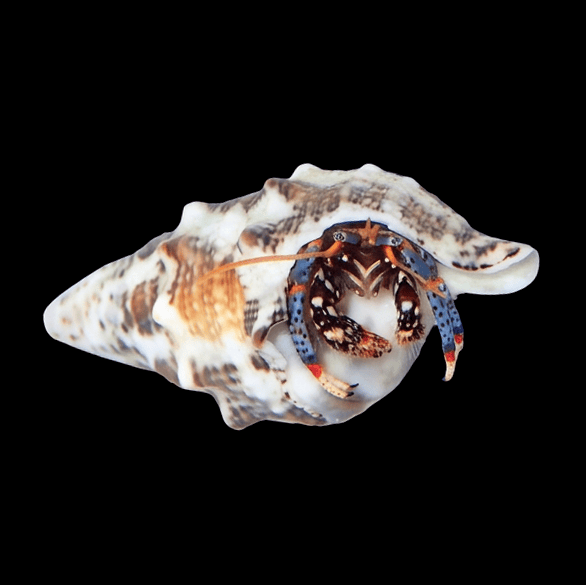
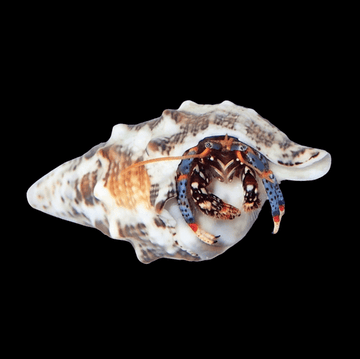
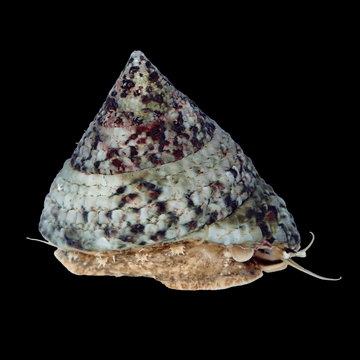
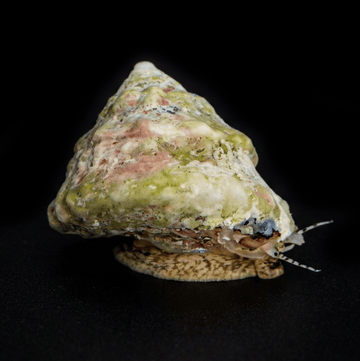
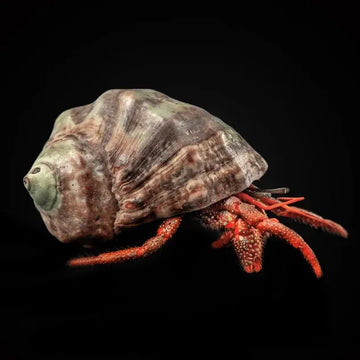
Electric Blue Hermit Crabs are active, eye-catching scavengers that move quickly across rockwork and sand as they search for algae, detritus, and leftover food. Their bold temperament and larger size compared to smaller hermit species make them more competitive when shells are limited, and they may harass snails if better housing options are not available. When provided with a steady supply of empty shells and consistent feeding, they remain productive members of the cleanup crew and focus their energy on grazing rather than disputes. Their constant movement and striking coloration make them noticeable additions to reef tanks, especially in systems with enough space and resources to support their active behavior.
FAQ
Frequently Asked Questions
About the Electric Blue Hermit Crab
-
My Electric Blue Hermit Crab keeps climbing high up on the rockwork and hanging upside down. Is this normal or a sign of stress?
This is normal. Electric Blue Hermits are extremely agile and often explore vertical surfaces or hang from overhangs while grazing. Their strong grip and long legs allow them to reach algae in places other hermits ignore. As long as they return to normal foraging and show no signs of lethargy, this behavior is part of their active nature. -
Do Electric Blue Hermit Crabs eat hair algae or only film algae?
They will eat some hair algae, but not as aggressively as snails or urchins. Electric Blues tend to pick apart shorter strands and focus more on film algae, diatoms, and leftover food. If you are targeting hair algae specifically, they work best as part of a mixed clean-up crew rather than the primary control method. -
My Electric Blue Hermit Crab is dragging a shell that seems too big. Should I remove it?
No. Electric Blues often choose larger shells than they strictly need. A bigger shell gives them more protection and reduces the need to switch again soon after molting. Removing shells can stress them or leave them without a comfortable option. Instead, continue offering a variety of sizes and let the hermit decide what feels right. -
Will keeping multiple Electric Blue Hermit Crabs together cause problems?
Keeping several together can work well, but they require enough space and resources to avoid conflict. Electric Blues are more dominant than many hermits and may challenge each other if the tank is small or shells are limited. In tanks under 20 gallons, it is better to keep only one or two. In larger systems, small groups do well when food and shells are abundant. -
My Electric Blue Hermit Crab is picking at the base of zoanthids. Is it trying to eat them?
In most cases, no. Electric Blues often forage around the bases of corals because detritus, film algae, and leftover food collect in those areas. Zoanthids retract easily, which can make it look like the crab is nipping them. True coral-eating behavior is extremely rare in this species. If you want to reduce irritation, lightly turkey baste debris from coral bases before feeding.