Herbivore
Film Algae
Diatoms
Algae
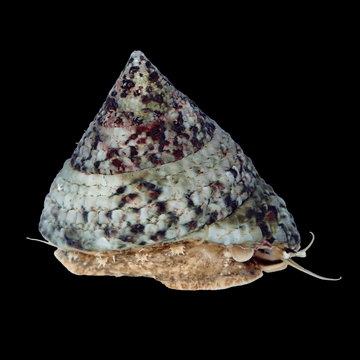
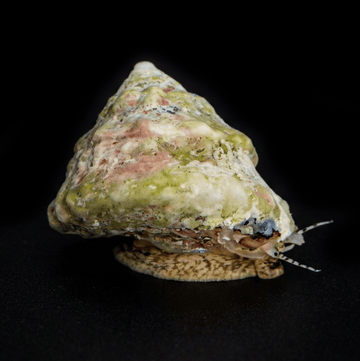
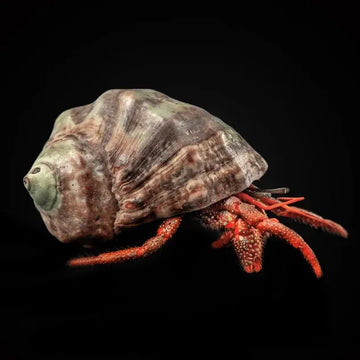
Orange Chestnut Snails are slow but consistent grazers, spending their time moving across rockwork, glass, and sand surfaces feeding on film algae and diatoms. While they are not as fast or aggressive as Turbo or Trochus snails, they provide reliable, long-term algae control without disturbing corals or aquascaping.
They are often more active during low-light periods and after lights out, covering new areas of the tank as algae regrows. Their rounded shell offers good stability on rock surfaces, though they may struggle to right themselves if flipped in high-flow zones. Overall, they are low-maintenance, reef-safe cleanup crew members that contribute steady grazing rather than rapid algae removal.
They are often more active during low-light periods and after lights out, covering new areas of the tank as algae regrows. Their rounded shell offers good stability on rock surfaces, though they may struggle to right themselves if flipped in high-flow zones. Overall, they are low-maintenance, reef-safe cleanup crew members that contribute steady grazing rather than rapid algae removal.
FAQ
Frequently Asked Questions
About the Orange Chestnut Snail
-
My Orange Chestnut Snail spends most of its time grazing on the rockwork instead of the glass. Is this normal behavior?
Yes. Orange Chestnut Snails are naturally inclined to graze on textured surfaces where biofilm and microalgae accumulate. Rock structures offer a richer and more diverse food source than clean glass panels. It is normal to see them moving through crevices and shaded areas for long periods. As long as the snail shows steady movement and a firm grip, this grazing pattern is healthy. -
Do Orange Chestnut Snails help control nuisance algae, or are they mainly scavengers?
They are primarily film algae and diatom grazers. While they may pick at early growth stages of green algae, they are not strong enough to remove heavy hair algae or fibrous species. Their strength lies in maintaining clean rock surfaces and helping prevent algae from becoming established. For tanks dealing with thicker algae, they work best alongside more heavy duty grazers. -
Can Orange Chestnut Snails flip themselves over if they fall on their back?
Some can, but not reliably. Their shell shape and limited leverage make it difficult for them to right themselves on flat surfaces. If you notice one upside down for more than a few minutes, gently assist it. Leaving them overturned for long periods increases the risk of stress or predation from opportunistic invertebrates. -
My Orange Chestnut Snail climbs very high on the glass and stays near the waterline. Should I be concerned?
High climbing can occur for a few harmless reasons, such as grazing on fresh biofilm near the surface or exploring new territory. However, sudden and persistent climbing can indicate irritation from rapid salinity or temperature changes. If several snails display similar behavior, testing water parameters is recommended. -
Are Orange Chestnut Snails compatible with hermit crabs and larger grazers?
They are peaceful grazers, but hermit crabs may attempt to take their shells if better options are not available. Providing a selection of empty shells helps reduce the risk of harassment. When kept with other peaceful snails and reef safe fish, Orange Chestnut Snails adapt well and remain active contributors to the tank’s cleaning crew.