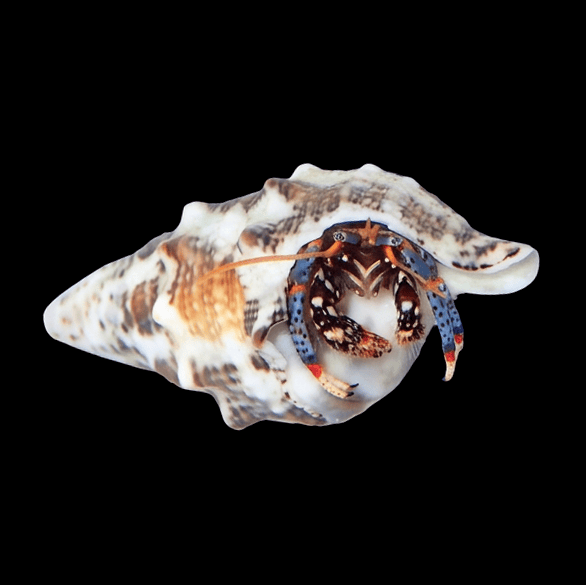
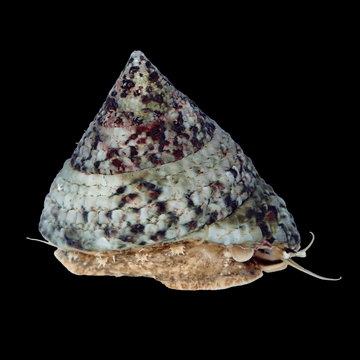
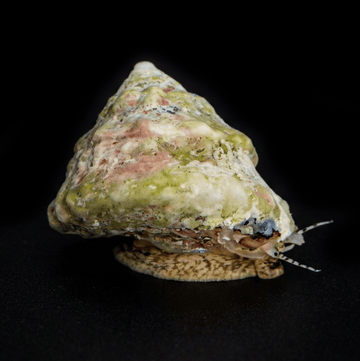
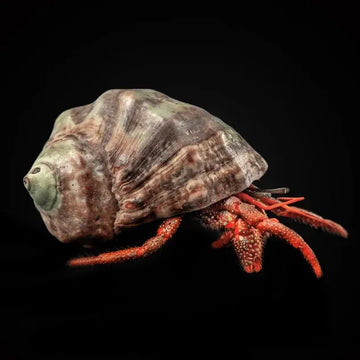
Fuzzy Chiton – Acanthopleura granulata

Overview:
The Fuzzy Chiton (a “hairy” chiton, often Mopalia-type) is a hardy, nocturnal grazer that does best in a mature marine aquarium with abundant live rock and established algal films. In nature it lives on wave-swept rocky shores, so it needs high dissolved oxygen, steady to strong water movement, and many tight crevices where it can wedge itself during the day. Provide a stable lid or rim (they can climb), and place rockwork securely—chitons are strong and can shift loose frags. Temperate specimens commonly prefer cooler water (roughly 50–60°F / 10–16°C); keep them only if you can maintain the temperature they were collected at, as prolonged warm reef temperatures often shorten lifespan. Maintain stable salinity (1.024–1.026), pH 8.1–8.4, and adequate alkalinity/calcium to support shell condition. Avoid sudden changes; they tolerate “less than perfect” numbers poorly when they swing.

Compatibility:
This species is generally peaceful and ignores fish and most invertebrates, but it is a bulldozer. Keep it away from precariously placed frags, delicate branching corals, and loose rock stacks. It is usually reef-safe in the sense that it does not hunt corals, but a hungry chiton may rasp at coralline and occasionally irritate very thin-tissued encrusting organisms while grazing. Avoid tankmates that pick at shells or pry animals from rock: triggers, puffers, large wrasses, many larger crabs, lobsters, and octopus are common predators. It can coexist with snails and other algae grazers if there is enough natural growth; in small tanks, competition can lead to slow starvation.

Health and Quarantine:
Most losses come from heat stress, low oxygen, starvation, or exposure to copper and harsh medications. Never treat in a coppered system. Watch for shell pitting/erosion (often linked to low pH/alkalinity) and for inactivity or gaping edges (stress). Quarantine is best done in an invert-only tank with cured, algae-coated rock, strong aeration, and matching temperature/salinity; drip-acclimate slowly. Aim for steady parameters, gentle handling (never pull it off rock; coax it to release), and consistent grazing opportunities as preventive care.

Fuzzy Chitons mainly rasp microalgae, diatoms, and biofilm from rock surfaces. The best feeding plan is prevention of starvation: add them only to a well-aged tank with visible film algae and some coralline. Supplement 3–5 times per week (or nightly in very clean systems) with dried nori/seaweed sheets clipped near their path, spirulina-based algae wafers, and small amounts of fresh macroalgae (such as Gracilaria/Ulva if available and clean). Place food after lights-out; many won’t feed boldly in bright light. Remove uneaten food within 12–24 hours to prevent nutrient spikes. A thinning “fuzzy” girdle, reduced movement, or repeated laps with little grazing marks often point to inadequate food.

Biofilm Microalgae Algae
Fuzzy Chitons are slow-moving, armor-plated grazers that specialize in consuming film algae and biofilm along rock surfaces. Their multi-plated shells allow them to conform tightly to irregular rock shapes, giving them excellent grip even in areas of higher flow. They forage mostly at night, remaining tucked into crevices or shaded areas during the day where their camouflage helps them blend into the rockwork. Fuzzy Chitons are peaceful and entirely focused on grazing, showing no interest in other invertebrates or leftover food. They move methodically and unobtrusively, making them a unique but highly beneficial addition to a reef’s micro-grazer community.

FAQ

Frequently Asked Questions

About the Fuzzy Chiton

  • My Fuzzy Chiton barely moves and stays tightly attached to the rock. Is this normal?
    Yes. Fuzzy Chitons have a very different movement style compared to common reef snails. They cling firmly to hard surfaces and move slowly as they graze. Their strong grip helps protect them from predators and prevents them from being dislodged by strong flow. As long as the chiton gradually shifts position over time, even if it is not obvious from moment to moment, it is healthy.
  • What do Fuzzy Chitons actually eat, and are they good algae cleaners?
    They specialize in scraping microalgae, film algae, and diatoms across rockwork. Their radula allows them to remove algae from uneven textures that many snails struggle with. They are not effective against hair algae or turf algae, but they excel at long term maintenance of mature rock surfaces. Their grazing is gentle and continuous, making them ideal in low nutrient reef systems.
  • Can Fuzzy Chitons right themselves if they fall off the rockwork?
    Chitons rarely fall because of their strong muscular foot and low profile. If they do become dislodged, they can often right themselves when they contact a surface, but on flat sand or glass they may struggle. If you find one upside down and motionless, gently place it back onto a piece of rock so it can reattach.
  • Why does my Fuzzy Chiton only come out at night?
    Chitons are naturally nocturnal and rely on low light conditions to avoid predators. In aquariums, they often remain hidden during the day and become active once lights dim. If your chiton is rarely seen, it may simply be following its natural cycle. Nighttime observation usually reveals steady grazing activity.
  • Are Fuzzy Chitons reef safe, or can they damage corals and sponges?
    They are fully reef safe. Fuzzy Chitons do not eat coral tissue, sponges, or beneficial fauna. They strictly graze algae and biofilm. Their low profile and slow movement reduce the likelihood of disturbing coral colonies, making them ideal for mixed reefs with delicate LPS or SPS structures.