Omnivore
Detritus
Leftover Food
Film Algae
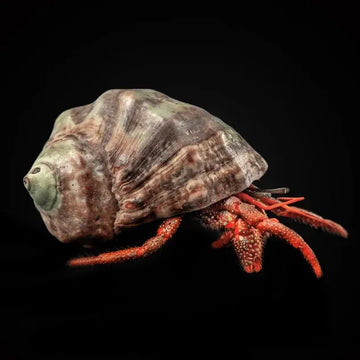
Tiger Sand Conchs are active sand-sifters that spend much of their time cruising along the substrate, using their long proboscis to probe for detritus, leftover food, and microalgae. They often “hop” forward using their muscular foot, covering surprising distances across the sandbed while feeding. When resting or startled, they may partially bury themselves in the sand with only their eyes or shell tip exposed. Their constant foraging helps keep the sand surface clean and lightly turned over without aggressively excavating deep areas. Tiger Sand Conchs are peaceful and ignore tank mates, focusing entirely on the sandbed and nearby surfaces rather than rockwork or corals.
FAQ
Frequently Asked Questions
About the Tiger Sand Conch
-
My Tiger Sand Conch is constantly plowing through the sandbed. Is this normal behavior?
Yes. Tiger Sand Conchs are specialized sand foragers that sift and aerate the substrate as they search for detritus, film algae, and microfauna. Their constant movement keeps the sand oxygenated and prevents compacted areas from forming. This behavior is one of their main benefits in a reef aquarium. As long as the conch remains active and maintains a full, extended foot, it is behaving normally. -
How can I tell if my Tiger Sand Conch has enough food in the tank?
A well fed conch will spend most of its time buried or grazing close to the substrate. If it begins roaming the glass or climbing rock structures frequently, that is usually a sign the sandbed is too clean or lacks sufficient detritus to support it. In ultra clean systems or tanks with shallow sandbeds, supplementing with small amounts of sinking herbivore pellets a few times per week can prevent starvation -
Do Tiger Sand Conchs get along with other sand dwelling invertebrates?
Generally yes. They coexist well with nassarius snails, cerith snails, and other peaceful scavengers. The only potential conflicts occur if aggressive hermits or large predatory crabs are present, as these species may harass or injure the conch. Keeping peaceful tank mates and avoiding overcrowding in the sandbed ensures they thrive without competition. -
Why does my Tiger Sand Conch occasionally retract deeply into its shell and remain still?
This can happen for a few different reasons. Conchs often pause to rest after heavy foraging or when adjusting to changes in lighting or flow. If the conch retracts fully but remains responsive when touched gently, this is normal. However, if it remains motionless for extended periods and has a gaping operculum or foul odor, it may be in decline. Stable salinity and a consistent food supply help prevent these issues. -
Can Tiger Sand Conchs be kept in bare bottom tanks?
No. They rely on sand to feed, bury, rest, and regulate their behavior. Without a sandbed, they become stressed and quickly run out of food. A depth of at least one to two inches is recommended for long term success. Tanks with deeper sandbeds allow them to behave more naturally and provide enough detritus for sustained feeding.